
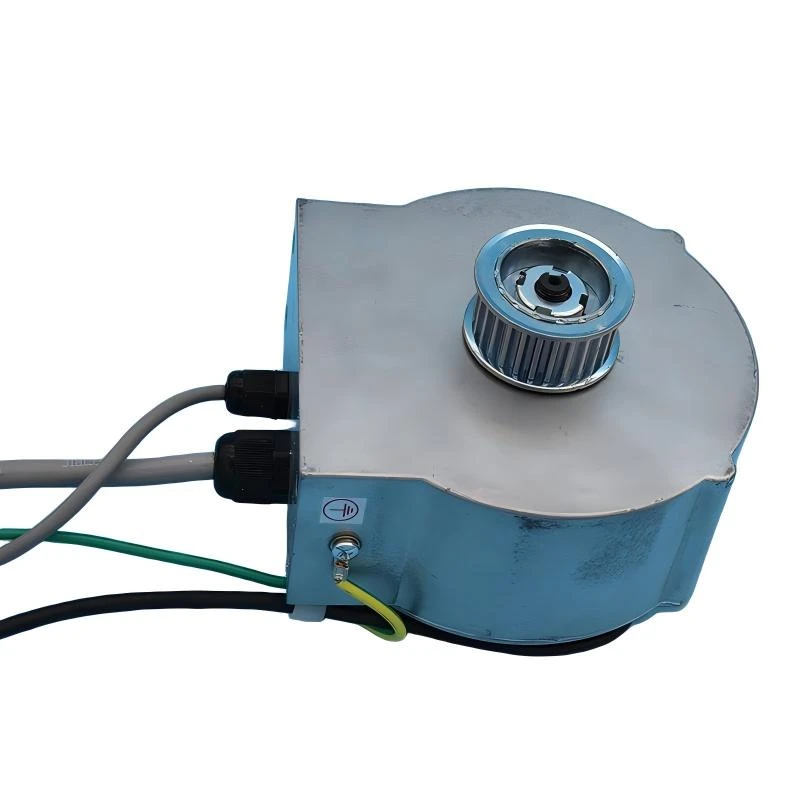
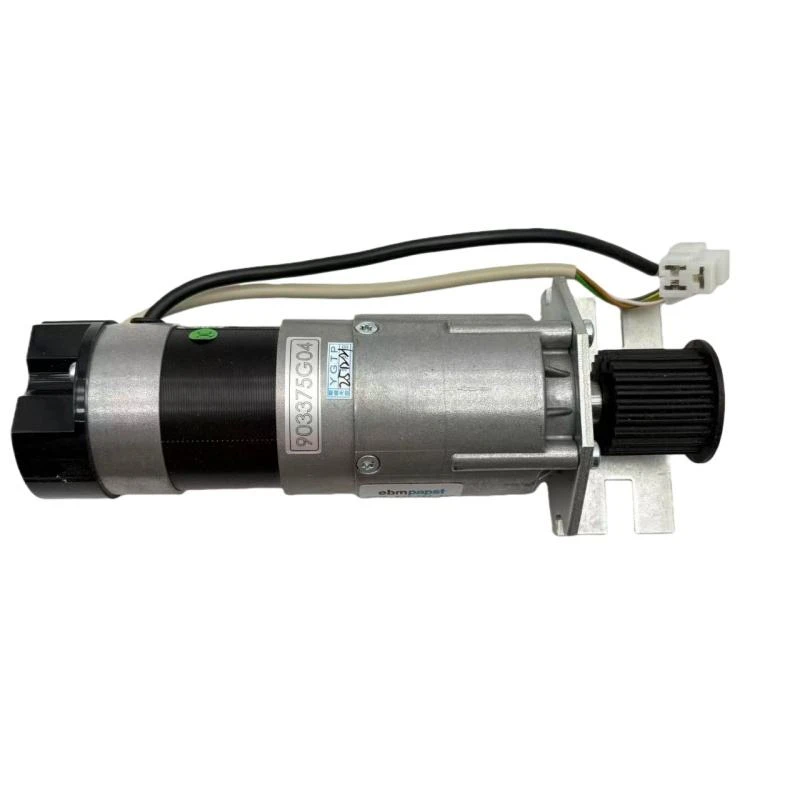
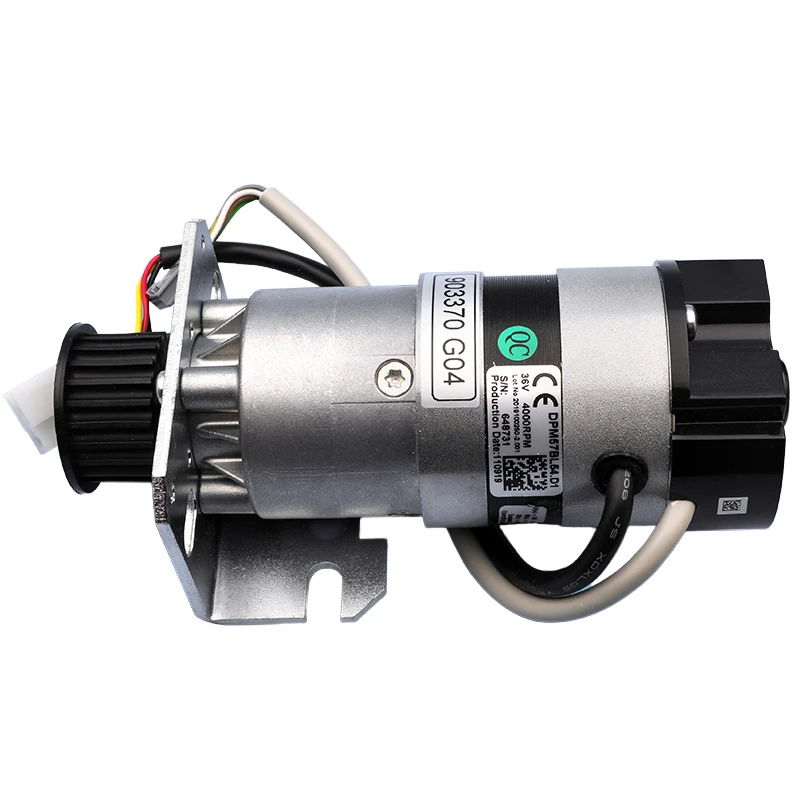
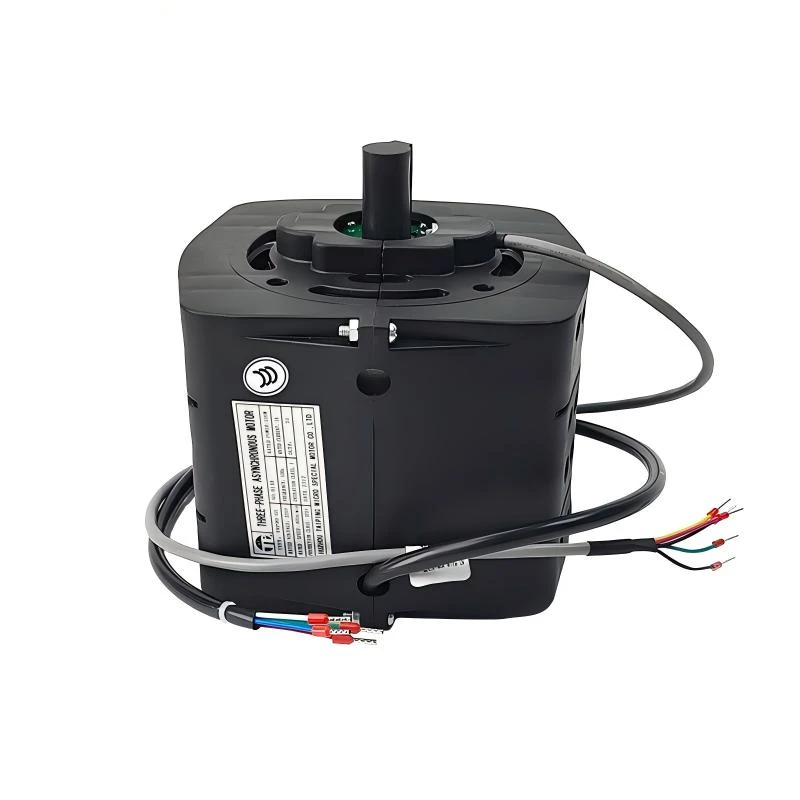
Elevator Door Motor
Elevator Parts
Escalator Parts
All Elevators
Commercial Elevators
Home Elevators
Escalators & Moving Walkways
Industrial Lifts
Elevator Shafts
Accessibility Lifts
Why Work with Us
Door operation depends on how precisely the motor responds to control signals.
EKCNE focuses on stable output and response consistency, which helps reduce delay, overshoot, and uneven movement.
This supports smoother door operation and more predictable long-term performance, even across varying elevator door motor price requirements.
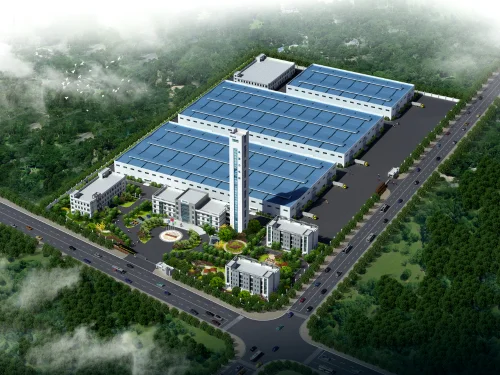
66,000 m² Facility
Large-scale manufacturing base
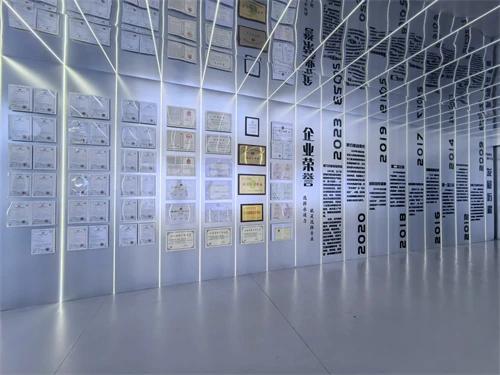
Certified & Patented
Full certifications & patents
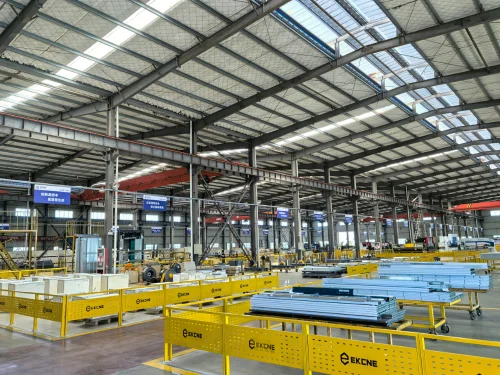
Advanced Equipment
Modern production machinery
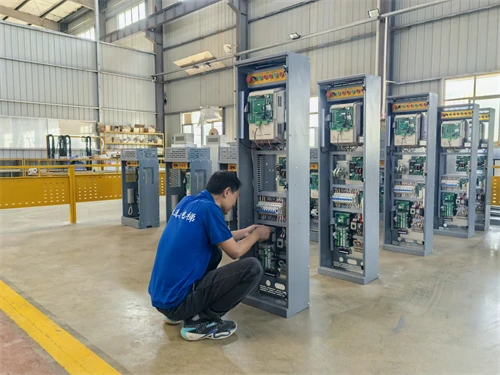
Quality Assurance
Rigorous quality control process
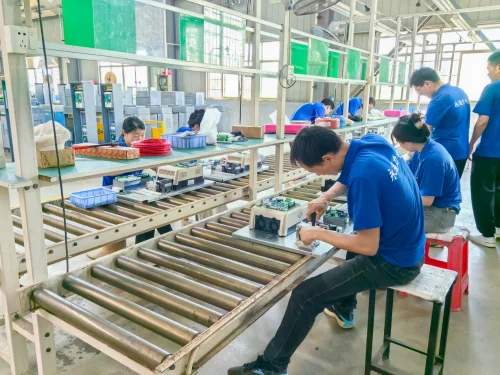
High Production Capacity
Efficient and stable output
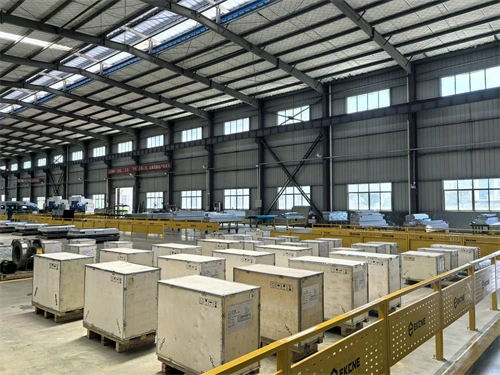
Smart Warehousing
Optimized storage and logistics
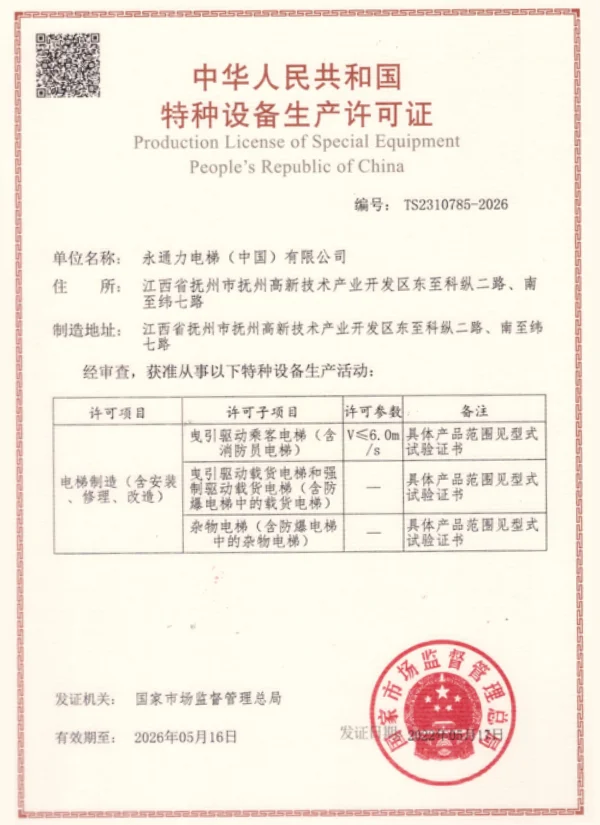
Production License of Special Equipment
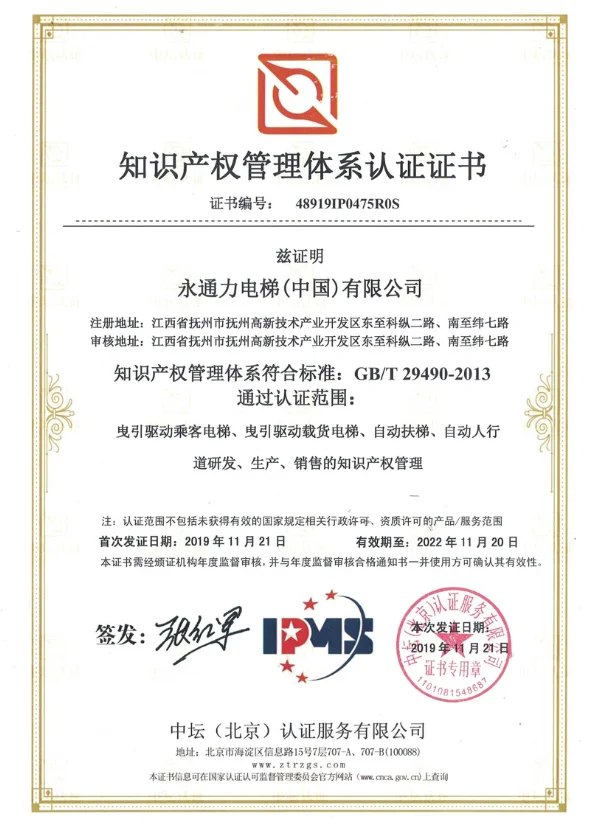
Intellectual Property Management System Certificate
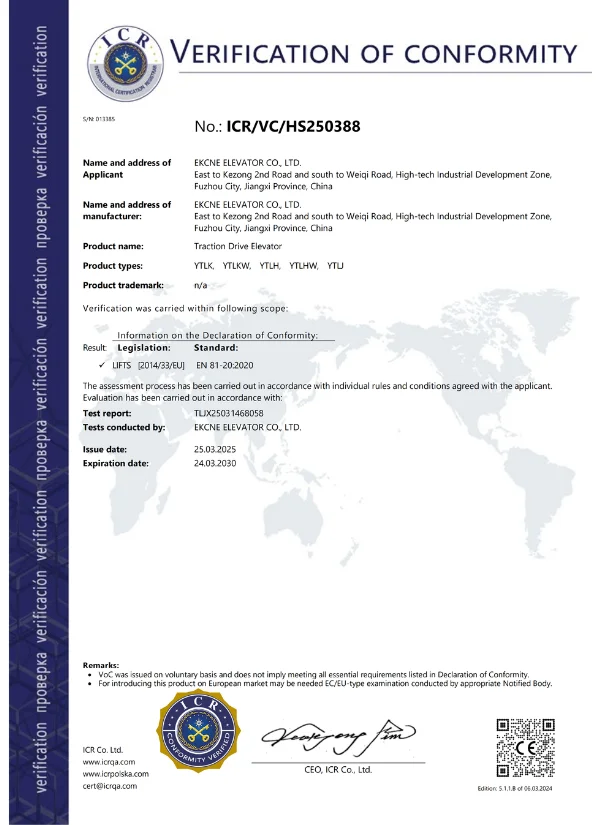
CR_VC_HS250388
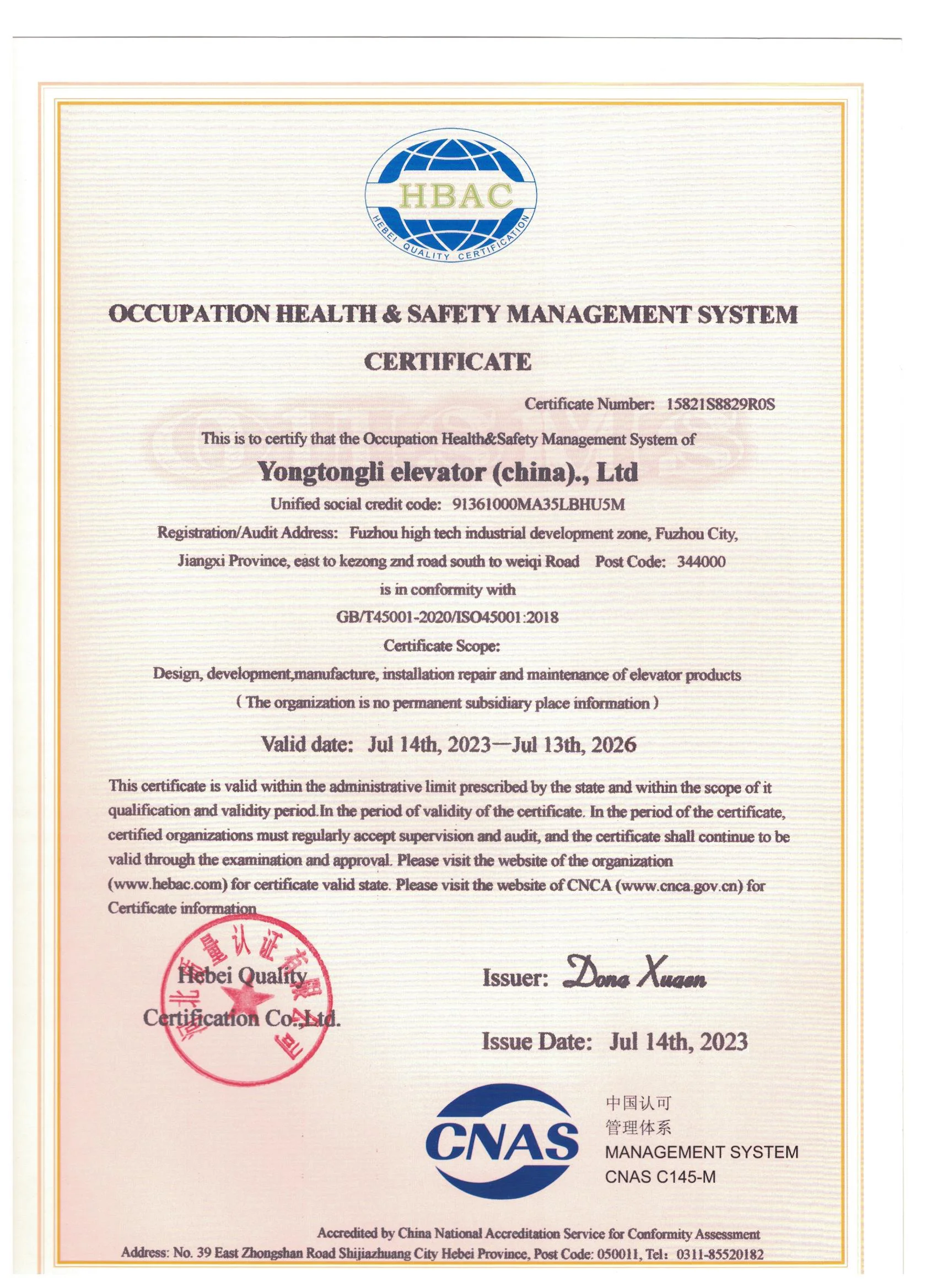
Occupational Health & Safety Management System Certificate
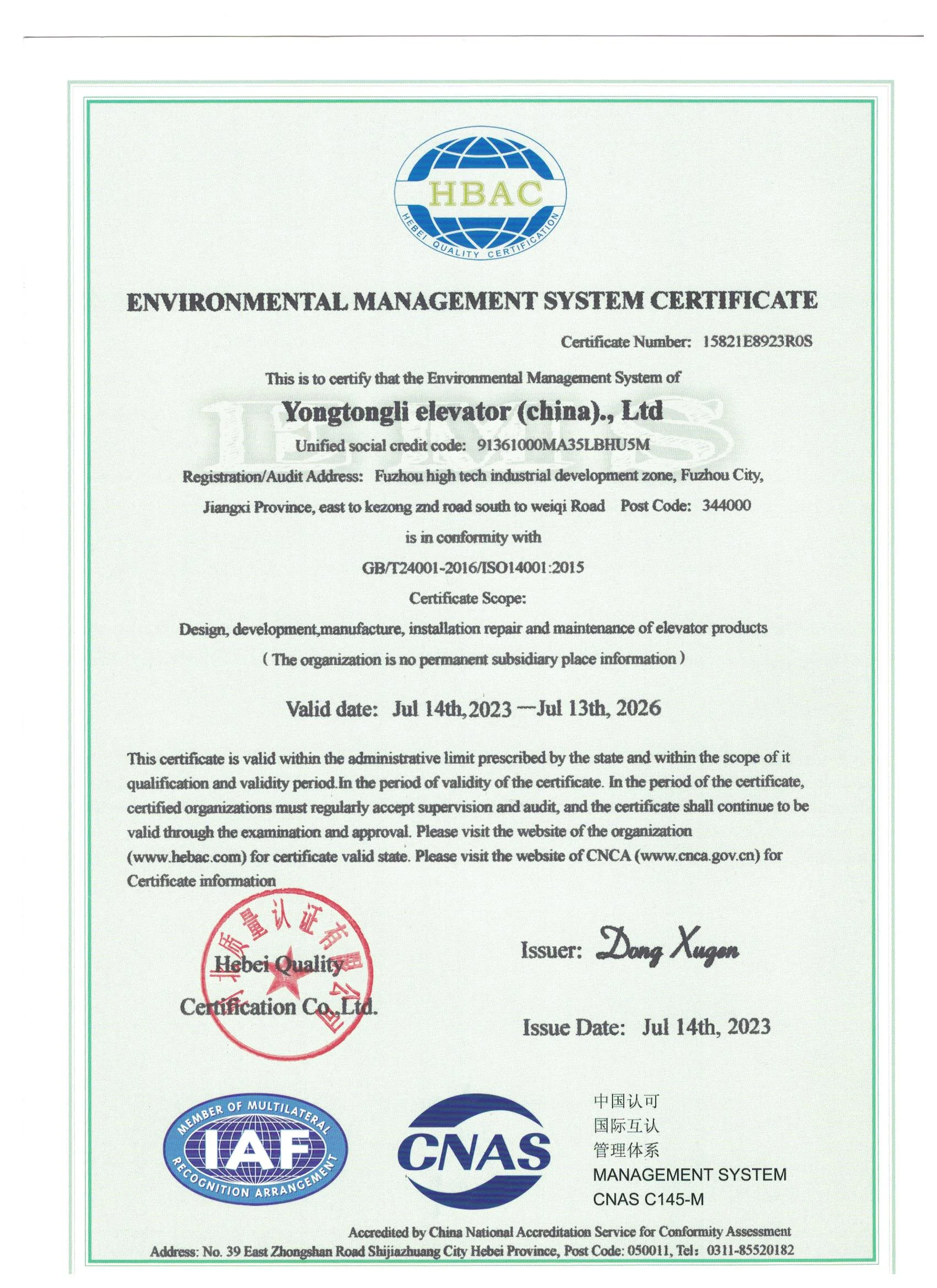
Environmental Management System Certificate
×
![]()
We are a manufacturer of home elevators and commercial elevators, delivering complete solutions from pre-sales technical consultation through to final commissioning. Our capabilities extend to OEM and semi-CKD cooperation for partners who require manufacturing support under their own brand — but first and foremost, we build elevators.
Pre-Sales Engineering Support
We provide complete pre-sales engineering assistance before production begins, including shaft layout drawings, site condition evaluation, and dimension planning. Whether the project is still in the design stage or facing complex installation limitations, our engineering team develops practical elevator solutions based on actual structural conditions and usage requirements.
Commercial Elevator Solutions
We manufacture commercial elevator systems for office buildings, hotels, retail centers, warehouses, and other commercial projects. From compact shaft optimization to large-capacity custom configurations, every solution is engineered around load requirements, space efficiency, electrical standards, and long-term maintenance convenience.
Home Elevator Solutions
We deliver complete home elevator solutions for villas, duplex houses, and residential retrofit projects, with or without an existing shaft. Our systems support compact installation spaces, customized interior finishes, low-noise operation, and flexible structural solutions tailored to residential environments.
Quality Control & Testing
Every elevator and component undergoes strict quality inspection and functional testing before shipment. We provide complete testing documentation, type test reports, and detailed verification procedures to ensure stable performance, installation accuracy, and compliance with international project requirements.
OEM & Semi-CKD Manufacturing
We support OEM and semi-CKD cooperation for distributors, project contractors, and private-label elevator brands worldwide. From customized branding and packaging to technical documentation and production coordination, we provide flexible manufacturing solutions adapted to different market and assembly requirements.
Elevator Components Supply
We supply a wide range of elevator components and spare parts covering most mainstream elevator systems and models. Backed by manufacturing experience and a mature supply chain, we support consolidated purchasing, compatibility guidance, and fast dispatch for both standard and urgent requirements.
Export Packaging & Logistics
All elevators and components are protected with export-standard packaging designed for long-distance transportation and sea freight handling. Reinforced wooden crates, steel-edged protection, and secure internal packaging help minimize transport risk and maintain product condition during international delivery.
Partner Support Services
We provide long-term technical and market support for distributors, installers, and exclusive regional partners. Services include installation guidance, remote commissioning assistance, troubleshooting support, localized branding consultation, and marketing coordination to help partners grow sustainably in their local markets.
Get Our Product Catalog
Comprehensive catalog for elevators and components.
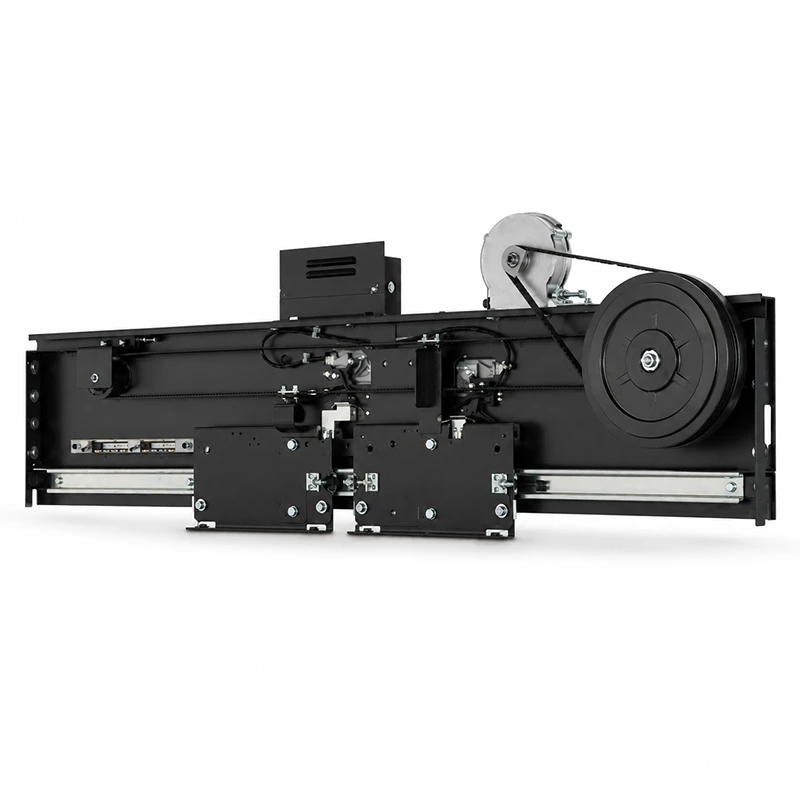
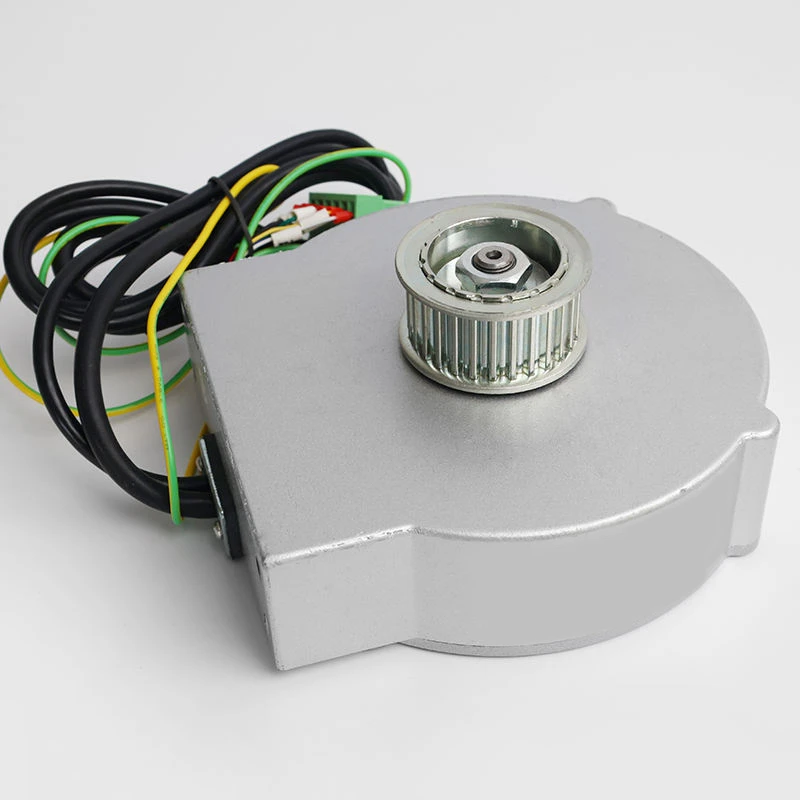
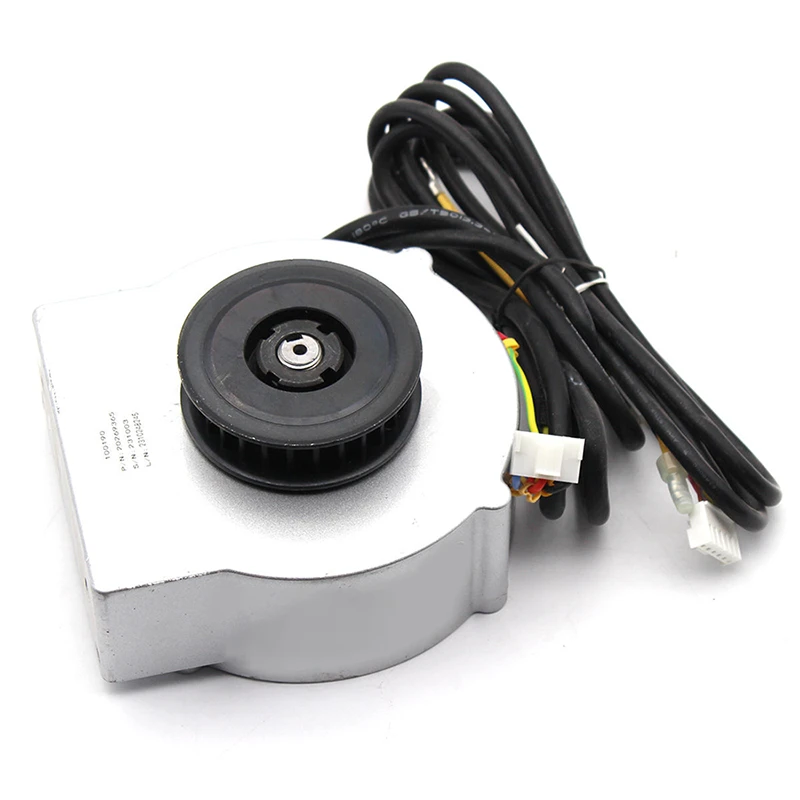
Elevator door motors are used in automatic elevator door systems to control opening and closing movement through coordinated acceleration, deceleration, and motion response control.
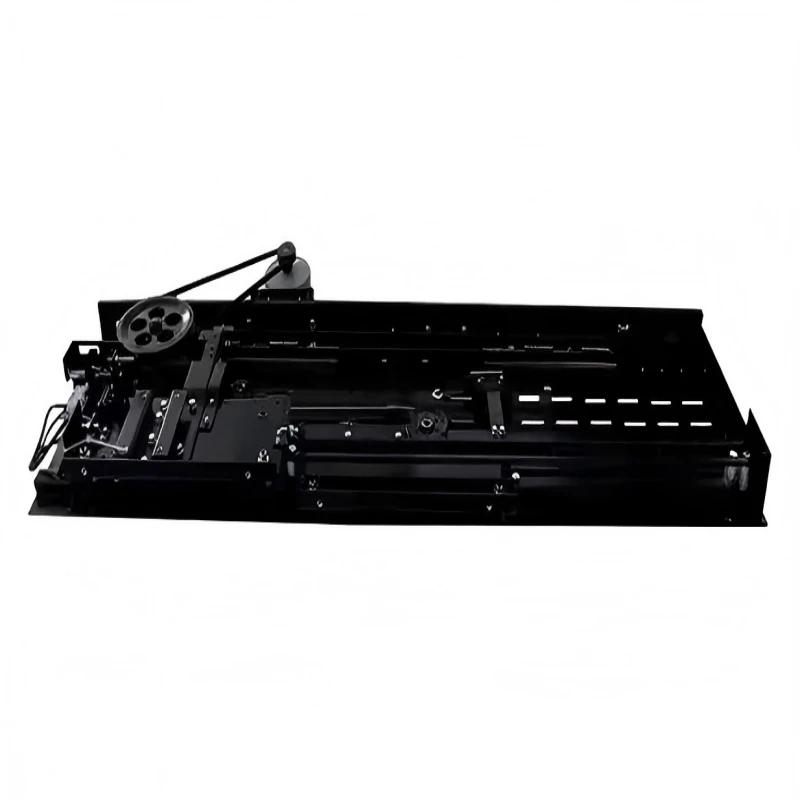
As part of the elevator door operator assembly, the motor directly affects door synchronization, response stability, positioning accuracy, and repeated cycling consistency during daily operation.
Modern elevator door systems require controlled motor behavior to maintain:
- Smooth opening and closing movement
- Stable acceleration and deceleration
- Controlled stopping response
- Reduced vibration and impact
- Consistent synchronization between door panels
- Predictable long-term operation
Because elevator doors operate continuously throughout building usage, motor response stability becomes an important factor in overall door system reliability.
Controlled Motion in Elevator Door Systems
Elevator door motors work together with:
- Door operator belts
- Pulley assemblies
- Door vane mechanisms
- Hanger roller systems
- Door controllers
- Door synchronization assemblies
The motor provides the driving force required for repeated opening and closing movement while coordinating with the operator control system.
In practical operation, stable motor response helps reduce:
- Door overshoot
- Abrupt acceleration
- Uneven deceleration
- Irregular movement response
- Mechanical vibration
- Repeated synchronization deviation
In high-frequency elevator systems, controlled motion behavior becomes increasingly important for maintaining long-term operational consistency.
How Motor Response Affects Door Operation
Door movement quality depends heavily on how precisely the motor responds to operator control signals during starting, running, deceleration, and stopping stages.
If motor response becomes unstable, elevator doors may gradually develop:
- Delayed opening response
- Uneven closing speed
- Inconsistent stopping position
- Repeated synchronization drift
- Increased vibration during movement
- Irregular operator behavior
Motor output must remain coordinated with the operator system to maintain repeatable movement accuracy across continuous operating cycles.
Stable acceleration and deceleration control also help reduce mechanical stress on:
- Door operator belts
- Transmission pulleys
- Hanger rollers
- Coupler mechanisms
- Sliding door assemblies
This helps improve movement smoothness and supports more predictable long-term door operation.
Drive Systems and Speed Control Principles
Traditional elevator drive systems commonly used staged speed switching and controlled deceleration logic to improve movement stability and reduce stopping impact.
Modern elevator door motor systems increasingly use variable frequency drive coordination and more responsive motion control to achieve:
- Smoother starting behavior
- Controlled speed transition
- Stable deceleration response
- Reduced operational impact
- Improved positioning accuracy
- Lower vibration and noise levels
Controlled speed transition is important because sudden acceleration or abrupt braking may increase vibration, amplify transmission fluctuation, and affect long-term operator system wear.
In automatic door systems, stable dynamic response helps maintain smoother repeated cycling performance.
Dynamic Response and Repeated Cycling Stability
Elevator door motors operate under repeated start-stop cycling conditions throughout daily building traffic.
Under continuous cycling operation, stable dynamic response becomes important for controlling:
- Motion damping behavior
- Speed fluctuation
- Response overshoot
- Transmission stability
- Operator feedback consistency
- Repeated positioning accuracy
If motion response gradually becomes inconsistent, small operational deviations may accumulate and increase long-term adjustment frequency.
Stable response coordination helps reduce unnecessary stress throughout the entire door operator system.
Common Operational Problems in Elevator Door Motors
Over time, repeated cycling, environmental conditions, and transmission fluctuation may gradually affect motor performance.
Common operational problems may include:
- Response delay
- Output instability
- Overheating
- Abnormal vibration
- Uneven acceleration
- Increased operational noise
- Positioning inconsistency
- Synchronization drift
In practical maintenance work, motor inspection is commonly performed together with:
- Belt inspection
- Pulley alignment checking
- Door controller adjustment
- Operator synchronization correction
- Overall door system maintenance
System-level inspection helps reduce repeated operational issues and improves long-term movement stability.
Motor Compatibility and Replacement Considerations
When selecting an elevator door motor, project teams commonly evaluate:
- Operator compatibility
- Voltage configuration
- Speed control requirements
- Installation dimensions
- Motion response stability
- Long-term maintenance continuity
- Control system coordination
Proper matching between the motor and door operator assembly helps reduce installation adjustment time and supports smoother long-term door system performance.
Discuss your elevator door motor requirements with EKCNE.