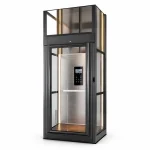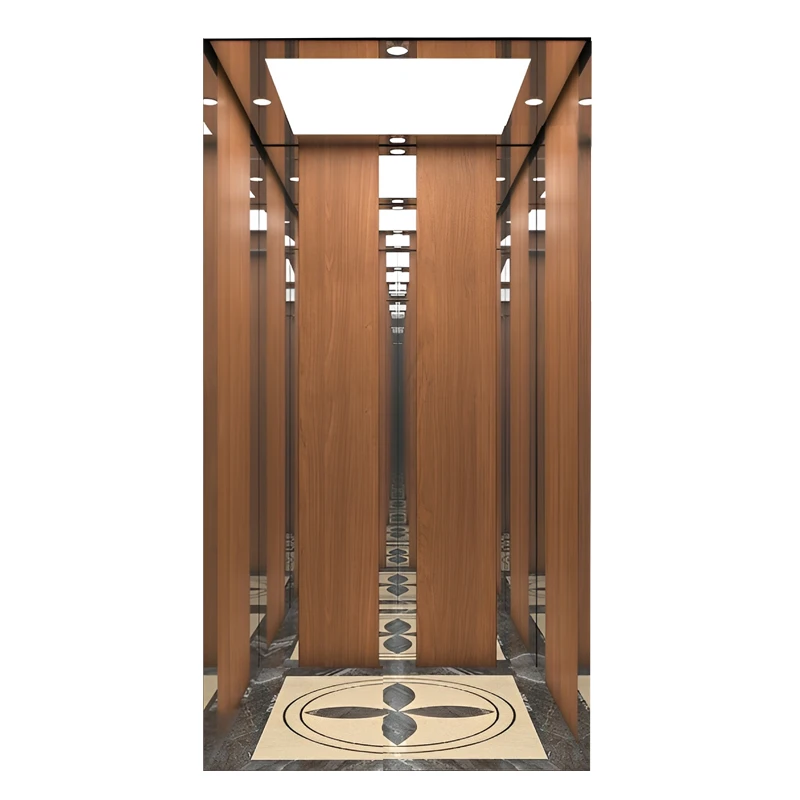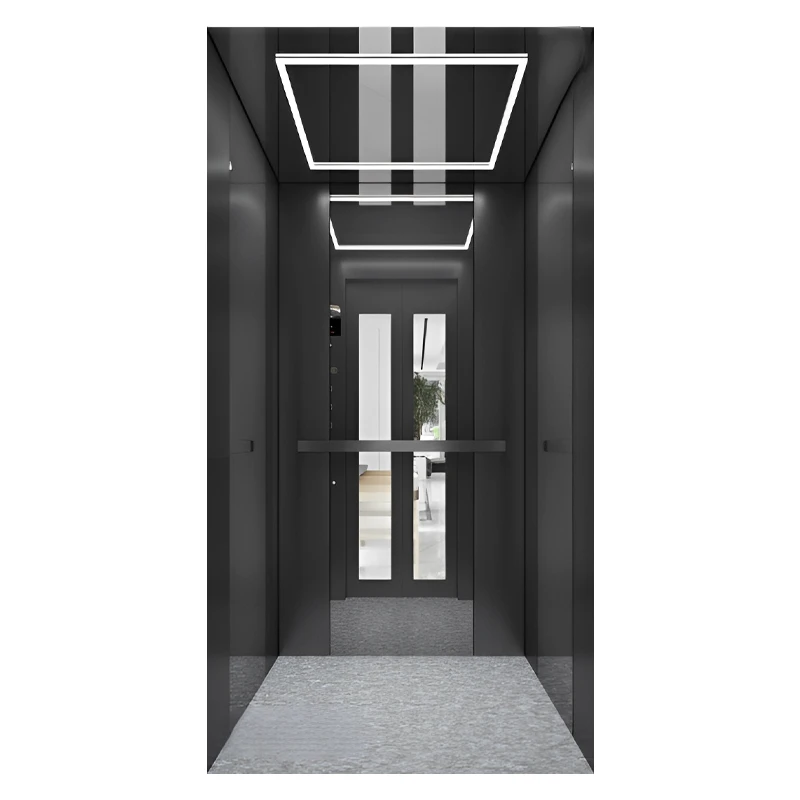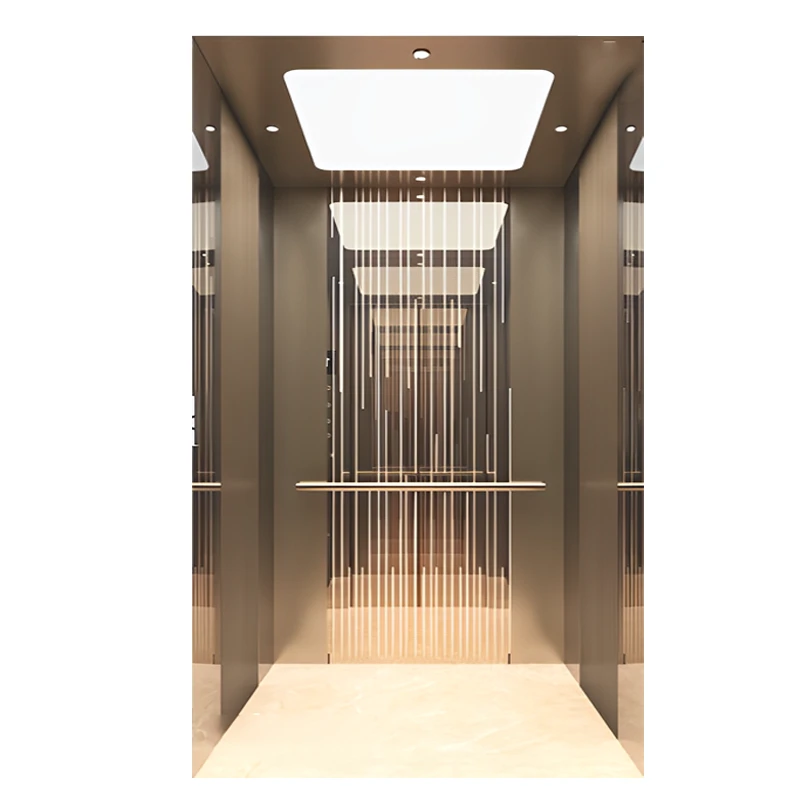
Choosing between single-phase and three-phase elevator power depends on the selected drive system, motor requirements and building electrical capacity. Some residential elevators are designed for single-phase supplies, while many commercial passenger elevators and larger drive systems use three-phase power.
For developers, contractors and procurement teams, the priority is to match the elevator’s electrical specifications to the available building supply before ordering equipment. This helps identify potential service upgrades, installation costs and compatibility issues early in the project.
What Is the Difference Between Single-Phase and Three-Phase Elevator Power?
Single-phase and three-phase power differ in how alternating-current electricity is supplied to equipment. The distinction affects motor compatibility, input-current requirements, electrical distribution and the suitability of different elevator drive configurations.
Single-Phase Power
Single-phase power is common in residential buildings and can support certain compact home elevators designed for that supply.
Its main advantage is potential compatibility with existing residential electrical infrastructure. If the selected elevator’s voltage, current and capacity requirements fall within the available service limits, a separate three-phase connection may not be necessary.
However, single-phase building power does not automatically make an elevator compatible. The motor, drive, rated load and operating requirements must match the manufacturer’s specifications.
Three-Phase Power
Three-phase power uses three alternating-voltage phases separated by 120 electrical degrees. It is widely used for industrial motors and many commercial elevator drive systems.
Three-phase supply is common in commercial passenger elevators, larger traction systems and hydraulic elevators with substantial pump-motor requirements. If a building lacks a suitable three-phase service, the project may require distribution upgrades or a new utility connection.
The cost and feasibility of that work depend on the existing infrastructure, available electrical capacity and local utility requirements.
How Elevator Motors and Drives Use Electrical Power
An elevator’s main drive, door operator, controls, lighting and emergency functions may have different electrical requirements. A single-phase supply used by a door operator or lighting circuit does not mean the complete elevator can operate from single-phase building power.
Main Drive Power Requirements
The main drive moves the elevator car and its load. Its electrical requirements depend on the motor type, drive architecture, rated load, travel speed and operating duty.

The technical references supplied for this article include elevator configurations with three-phase, 380 V, 50 Hz main power and separate single-phase, 220 V, 50 Hz lighting or control supplies. These are examples from specific equipment configurations, not universal requirements for every elevator or market.
In traction elevators, the main drive includes an elevator traction machine. Its motor and drive requirements must match the selected elevator system.
Before ordering, obtain the following specifications for the exact model.
- Supply voltage, phase count and frequency.
- Motor type and rated power.
- Rated input current and required protective devices.
- Starting-current or drive-specific input-current requirements.
- Permitted voltage variation and phase imbalance.
- Electrical capacity required under the intended operating conditions.
These parameters provide a practical basis for determining whether the building can support the proposed equipment.
Single-Phase Input and VFD Compatibility
A variable-frequency drive (VFD), also called a variable-voltage variable-frequency (VVVF) drive in elevator applications, controls motor speed by adjusting the frequency and voltage supplied to the motor.
In a common AC drive architecture, input AC power passes through a rectifier and DC intermediate circuit. An inverter then converts the DC power into variable-frequency AC for the motor, enabling controlled acceleration, deceleration and leveling.
However, a VFD does not automatically make an elevator compatible with single-phase input. Some drives accept single-phase input and provide three-phase output to compatible motors, while others require three-phase input.
Before considering a single-phase-to-three-phase drive arrangement, verify that:
- The drive manufacturer explicitly permits the proposed single-phase input.
- The output voltage matches the motor requirements.
- Output current and overload capacity meet the elevator’s operating demands.
- Any required derating, line reactor or additional protective equipment follows the manufacturer’s instructions.
- Input current, cable sizing and protective devices meet the specified requirements.
- The complete elevator control and safety system is approved for the proposed configuration.
For a comparable output power, single-phase input may require higher line current than a suitable three-phase supply. However, actual input current depends on voltage, power demand, power factor, drive efficiency and the specific electrical configuration. A meaningful comparison must use the rated input-current data for each proposed system.
Single-phase input can also impose different demands on the drive’s rectifier and DC intermediate circuit. A generic VFD’s ability to run a three-phase motor is not sufficient evidence that it can be used to modify a complete elevator. The proposed configuration must be approved for the specific elevator system.
Lighting, Controls and Auxiliary Circuits
Lighting, door operators, inspection equipment, controls and emergency functions may use different supplies from the main drive. Their voltage, source and protection requirements depend on the elevator design and applicable electrical standards.
The technical references supplied for this article distinguish main power from lighting and auxiliary circuits. Some configurations use separate supplies for the main drive and normal lighting, while control circuits may use AC or DC voltages determined by the equipment design.
Required lighting, receptacle and other auxiliary circuits may be supplied separately from the elevator’s main power circuit. Before maintenance, identify all power sources and follow the equipment’s isolation and lockout procedures. The main disconnect should not be assumed to isolate every circuit.
Review the electrical drawings to establish which circuits are supplied by each source and which functions must remain available during maintenance, power interruptions or emergencies. The selected elevator control system must be compatible with the drive configuration and electrical design.
Grounding and earthing arrangements also require attention. For example, a TN-S system keeps the neutral conductor (N) separate from the protective conductor (PE). The appropriate supply arrangement and protective measures depend on the installation design and applicable local requirements.

Single-Phase vs. Three-Phase Elevator Comparison
The practical differences concern equipment compatibility, electrical infrastructure and project cost. Neither supply is universally better for every elevator configuration.
| Comparison factor | Single-Phase Supply | Three-Phase Supply |
|---|---|---|
| Typical applications | Certain compact residential elevators and specifically designed drive systems | Many commercial passenger elevators, larger traction systems and hydraulic pump drives |
| Power availability | Depends on voltage, current capacity and equipment rating | Depends on the available three-phase service and distribution capacity |
| Motor and drive compatibility | Requires a compatible motor and drive configuration | Supports many three-phase motor and drive configurations |
| Input current | Must be checked against rated input current at the specified voltage and load | Must be checked against rated input current at the specified voltage and load |
| Starting and acceleration | Depends on motor design, drive capability and supply capacity | Depends on motor design, drive capability and supply capacity |
| Electrical protection | Requires correctly rated conductors, overcurrent protection and other specified safeguards | Requires appropriate protection, including phase-loss or phase-imbalance protection where applicable |
| Installation implications | May avoid a supply upgrade if existing infrastructure is sufficient | May require additional electrical work if suitable three-phase power is unavailable |
| Energy consumption | Depends on motor efficiency, drive design and actual use | Depends on motor efficiency, drive design and actual use |
| Project cost | May reduce initial infrastructure costs when the existing supply is suitable | May increase initial costs if a service or distribution upgrade is required |
Three-phase power is common for larger elevator drive systems, but there is no universal capacity threshold that separates single-phase and three-phase elevator applications. The selected model’s electrical specifications determine the permitted configuration.
Which Elevator Projects May Use Single-Phase or Three-Phase Power?
Building type provides an initial indication of likely power requirements, but motor design, drive architecture, rated load and operating duty determine the final choice.
Residential Elevators
Some compact home elevators are designed for single-phase power. This can simplify installation when the existing residential service meets the equipment’s voltage and capacity requirements.
Before selecting a model, confirm the rated load, travel height, speed, cabin dimensions and expected usage. If the required drive configuration specifies three-phase input, the project must account for that requirement rather than assume a single-phase connection will suffice.
Commercial and Office Buildings
Commercial passenger elevators commonly use three-phase power. Buildings with multiple elevators must account for the electrical demands of the installed equipment and coordinate those loads with the wider building distribution system.
For new installations, electrical planning should establish the required supply capacity and protection before equipment procurement. For modernization projects, checking compatibility before ordering helps identify whether the existing service can support the replacement elevator.
Hospital and Freight Elevator Projects
Hospital and freight elevators may involve heavy loads, specialized cabin dimensions or demanding operating schedules. These requirements influence motor selection, drive capacity and the electrical design.
Hospital projects must also consider the consequences of an elevator outage and the relationship between normal power, emergency power and rescue functions. Freight elevators may have different operating-duty requirements from passenger elevators.
Three-phase power is common in these applications, but the final configuration must match the selected equipment. Emergency power arrangements should be evaluated separately from the normal supply used to operate the elevator.
How Power Supply Affects Elevator Installation and Project Cost
The cost difference between single-phase and three-phase elevator power depends on the building’s existing infrastructure and the selected equipment’s electrical requirements. Connection costs alone do not determine the most economical solution.
Existing Electrical Infrastructure
A site assessment should establish:
- Available voltage, frequency and number of phases.
- Existing service capacity and spare distribution-panel capacity.
- Required cable sizing and installation routes.
- Circuit protection, disconnecting equipment and grounding or earthing arrangements.
- Supply stability under expected operating conditions.
- Additional requirements specified by the elevator manufacturer.
The supplier should provide the electrical data for the quoted configuration. A qualified electrical professional should verify that the building installation can meet those requirements.
Connection Upgrades and Installation Scheduling
If the existing service cannot support the selected elevator, additional electrical work may be necessary. Depending on the site, this can involve a new service connection, distribution equipment, cabling, inspections and coordination with other trades.
These activities can affect installation scheduling even when the elevator is ready for delivery. For existing buildings, the project team should compare the cost and feasibility of upgrading the supply with alternative elevator configurations that meet the project’s requirements.
For new buildings, coordinating elevator loads with the overall electrical distribution design can help identify infrastructure requirements before installation begins.
Starting Current and Supply Stability
Elevator motors and drives impose electrical demands during startup and acceleration. The actual demand depends on the motor, drive technology, starting method and operating conditions.
Hydraulic elevator pump motors, for example, may use direct-on-line starting, wye-delta starting or electronic motor starters. These arrangements produce different starting-current profiles.
Use the manufacturer’s specified input-current and protection requirements to assess supply adequacy. Voltage drops or protective-device trips during acceleration may indicate that the supply, cabling or protection needs further evaluation.
Energy Consumption and Lifecycle Cost
Supply phase alone does not determine an elevator’s total energy consumption. Motor and drive efficiency, loading, travel distance, trip frequency, standby behavior and regenerative operation all influence energy use.
A project cost comparison should distinguish three categories.
- Initial infrastructure cost: Service upgrades, distribution equipment, cabling and installation work.
- Operating cost: Electricity consumption under the expected duty cycle.
- Lifecycle cost: Maintenance, replacement parts, service access and long-term component availability.
A single-phase configuration may reduce initial electrical work when the existing supply is suitable. A three-phase configuration may be necessary to meet the selected elevator’s requirements. Neither option can be assumed to have the lower lifecycle cost without project-specific information.
How to Confirm the Correct Elevator Power Supply
Consider a low-rise residential building with an existing single-phase electrical service. The owner wants to install a compact elevator but has not selected a model.
The project team should follow a defined selection process.
- Define the operating requirements. Confirm rated load, travel height, speed, cabin dimensions and expected usage.
- Obtain model-specific electrical data. Request rated input voltage, phase count, frequency, current requirements and drive configuration.
- Assess the existing supply. Have a qualified electrical professional verify service capacity, distribution equipment, cabling and protective devices.
- Compare viable configurations. If the proposed elevator requires three-phase power, assess the cost and feasibility of upgrading the supply or selecting another compatible model.
- Confirm the final design. Obtain written confirmation of the approved configuration and coordinate the electrical work before installation.
This process gives the procurement team a documented basis for comparing equipment options and installation costs without relying on assumptions about residential elevators or generic motor ratings.
Procurement Checklist
Before finalizing an elevator order, confirm the following items with the supplier and project electrical team.
- Main power supply voltage, phase count and frequency.
- Motor type, rated power and current.
- Drive input and output ratings.
- Starting-current or specified input-current requirements.
- Required circuit breaker, disconnect and cable specifications.
- Permitted voltage variation and phase imbalance.
- Separate requirements for lighting, controls, door operators and emergency functions.
- Main disconnect arrangements and any separately supplied auxiliary circuits.
- Grounding or earthing requirements.
- Site preparation responsibilities and any required supply upgrades.
- Compatibility of replacement drives and electrical components for future maintenance.
The final technical submission should identify the exact elevator model and drive configuration. The manufacturer and the project’s qualified electrical professional should confirm compatibility before the installation design is finalized.
Plan Elevator Power Requirements Around Your Project
Selecting single-phase or three-phase elevator power requires matching the equipment’s documented electrical requirements to the building’s available supply, installation conditions and operating demands.
EKCNE provides elevator systems and components for residential, commercial and other project applications. Discuss your project requirements with the team to evaluate electrical compatibility, system configuration and installation conditions before finalizing procurement.