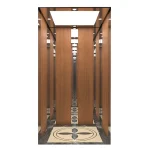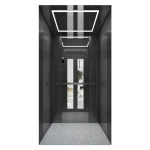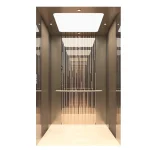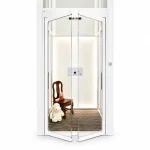
Choosing a car elevator manufacturer requires evaluating more than rated capacity and purchase price. Vehicle dimensions, axle loads, shaft geometry, passenger-carrying permissions and installation constraints determine whether a system can operate safely within a building.
This guide compares 10 manufacturers and specialized vehicle-lifting providers, covering their products, engineering capabilities and project applications. It distinguishes building car elevators from vehicle-only lifting platforms and mechanical parking systems to help buyers identify suitable suppliers.
What Is a Car Elevator?
A car elevator transports vehicles vertically between building floors, providing an alternative to conventional access ramps in residential developments, commercial buildings and multilevel parking facilities.
Three equipment categories have different operating requirements.
- Building car elevators transport vehicles between floors and may allow drivers to remain inside, subject to the approved design.
- Vehicle lifting platforms move vehicles or goods vertically but may prohibit passengers during operation.
- Mechanical parking systems lift, stack or reposition vehicles to increase parking capacity.
The distinction affects equipment design, safety provisions and regulatory requirements. A vehicle platform with a 5,000-kg capacity, for example, isn’t automatically suitable for transporting a vehicle with its driver.
How We Selected These Manufacturers
The shortlist evaluates manufacturers and equipment providers using six criteria.
- Product relevance to building car elevators and vehicle transportation.
- Published specifications and identifiable product models.
- Engineering capabilities and building integration.
- Customization and documented project experience.
- Safety documentation and applicable compliance requirements.
- International delivery, maintenance and spare parts support.
The comparison includes specialized vehicle-lifting and parking equipment providers where their products address related procurement requirements. The order is editorial, not a verified ranking of global market share or manufacturing performance.
Top 10 Car Elevator Manufacturers at a Glance
| Manufacturer | Country | Main Equipment Focus |
|---|---|---|
| EKCNE Elevators | China | Building car elevators |
| Lödige Industries | Germany | Passenger-carrying car lifts |
| IdealPark | Italy | Customized car lifts |
| Hidral | Spain | Heavy-duty and vehicle lifts |
| Mutrade | China | Vehicle lifting and parking systems |
| Cardok | Switzerland | Concealed underground car lifts |
| Zhejiang Aoma Elevator | China | Car and passenger elevators |
| Zhejiang Fujim Elevator | China | Car and other elevator systems |
| FUJI Space Elevator Technology | China | Car lifts and vertical transportation |
| OMER | Italy | Car elevators and parking lifts |
Top 10 Car Elevator Manufacturers
EKCNE

Company Overview: Founded in 2009, EKCNE is a China-based vertical transportation solution provider serving residential, commercial, healthcare, industrial and infrastructure projects.
Main Products: Commercial and residential car elevator solutions, passenger elevators, freight elevators and related lifting systems.
Engineering Strengths: Its 66,000-square-meter manufacturing facility supports annual production exceeding 10,000 units. The company also reports 38 proprietary patents and offers customized configurations for different building structures and vehicle transportation requirements.
Suitable Projects: Commercial developments, residential buildings, automotive facilities and projects requiring coordinated elevator procurement.
Key Consideration: Confirm shaft dimensions, vehicle loads, drive configuration and local compliance requirements during technical evaluation.
Lödige Industries

Company Overview: Lödige Industries is a German engineering company specializing in material handling, parking automation and vertical transportation. Its car lift portfolio includes systems designed for different building layouts and parking demands.
Main Products: TRAFFICO, CARRICO, PEGASOS and other parking solutions.
Engineering Strengths: TRAFFICO supports loads up to 5,730 kg and lifting heights up to 25 meters, with speeds reaching 0.6 m/s. Its published specifications also address cabin dimensions, axle loads and pit requirements.
Suitable Projects: Hotels, office buildings, residential developments and multilevel parking facilities.
Key Consideration: Compare lifting speed, rated load, pit depth and vehicle throughput against the building’s expected parking demand.
IdealPark

Company Overview: Based in Verona, Italy, IdealPark develops customized vehicle lifting and concealed parking systems. Its solutions focus on integrating vehicle access into architectural layouts where conventional ramps may consume excessive space.
Main Products: Driver-on-board car lifts, concealed parking lifts and customized vehicle platforms.
Engineering Strengths: Its IP1-CM MOB configuration supports travel heights up to 5 meters, with a standard capacity of 2,700 kg and an optional 3,500-kg version.
Suitable Projects: Luxury residences, villas, hotels, historic buildings and renovation projects.
Key Consideration: Check platform dimensions, structural requirements, weather protection and passenger-carrying permissions.
Hidral

Company Overview: Hidral is a Spanish lifting equipment manufacturer serving commercial, industrial and building applications. Its portfolio includes heavy-duty lifting systems and vehicle-related transportation solutions.
Main Products: Heavy-duty traction lifts, goods lifts and vehicle transportation equipment.
Engineering Strengths: Its product range addresses different load and installation requirements. Buyers should evaluate the specific lifting configuration rather than assume all vehicle-related products have the same operating permissions.
Suitable Projects: Industrial facilities, commercial buildings and projects requiring heavy-duty vertical transportation.
Key Consideration: Request model-specific specifications confirming rated capacity, passenger-carrying permissions and applicable safety requirements.
Mutrade

Company Overview: Mutrade is a China-based manufacturer and supplier of mechanical parking and vehicle-lifting equipment. Its portfolio focuses on increasing parking density and moving vehicles between parking levels.
Main Products: FP-VRC vehicle lifting platforms, car stackers and automated parking systems.
Engineering Strengths: Its FP-VRC range uses four-post hydraulic platforms, with published capacities from 3,000 to 5,000 kg and lifting heights from 2 to 13 meters.
Suitable Projects: Residential garages, commercial parking facilities and vehicle storage installations.
Key Consideration: FP-VRC prohibits passenger transportation. It is a vehicle-only lifting platform, not a passenger-carrying building car elevator.
Cardok

Company Overview: Cardok is a Swiss automotive lifting and concealed parking provider founded in 2005. Its systems integrate underground vehicle storage with residential properties and landscaped environments.
Main Products: Hydraulic car lifts, underground garages and concealed parking systems.
Engineering Strengths: Its standard hydraulic configurations include a 3,000-kg lower-platform capacity. The company’s project approach covers design, manufacturing, transportation and installation.
Suitable Projects: Luxury homes, private garages, landscaped properties and high-end residential developments.
Key Consideration: Evaluate excavation depth, drainage, waterproofing, structural loads and vehicle access before selecting an underground installation.
Zhejiang Aoma Elevator

Company Overview: Zhejiang Aoma Elevator is a Chinese elevator manufacturer whose published product catalog includes a dedicated car elevator category alongside other vertical transportation equipment.
Main Products: Car elevators, passenger elevators and freight elevators.
Engineering Strengths: Its car elevator information describes heavy-load vehicle transportation, one-way and through-door configurations, and safety components including overspeed governors and safety gear.
Suitable Projects: Shopping malls, logistics centers, automotive dealerships and commercial developments.
Key Consideration: Request current model specifications, manufacturing documentation, applicable certifications and comparable project references.
Zhejiang Fujim Elevator

Company Overview: Zhejiang Fujim Elevator is a Chinese manufacturer offering elevator products for residential, commercial and industrial applications.
Main Products: Car elevators, passenger elevators, freight elevators, home elevators, escalators and moving walkways.
Engineering Strengths: Its company information identifies research and development, manufacturing, installation, modernization and maintenance as business activities.
Suitable Projects: Building developments and international procurement programs requiring multiple elevator categories.
Key Consideration: Confirm the availability of dedicated car elevator models, technical drawings and local after-sales arrangements.
FUJI Space Elevator Technology

Company Overview: FUJI Space Elevator Technology is a China-linked elevator business established in 2024. Its company profile describes a manufacturing relationship with AOTE RAMBO ELEVATOR.
Main Products: Car lifts, passenger elevators, home elevators and escalators.
Engineering Strengths: Its stated product range and manufacturing relationship provide a basis for evaluating coordinated elevator supply. Buyers should distinguish the brand’s commercial activities from the capabilities of its associated production facility.
Suitable Projects: Residential and commercial developments sourcing multiple elevator categories.
Key Consideration: Verify the contracting entity, production facility, certification ownership and responsibility for warranties and spare parts.
OMER

Company Overview: OMER is an Italian automotive lifting equipment manufacturer with an international presence that includes OMER USA. Its portfolio covers vehicle lifting and parking applications.
Main Products: MOVE and REX car elevators, vehicle lifts and parking systems.
Engineering Strengths: MOVE uses a two-column arrangement with capacities up to 6,600 pounds. REX uses a pantograph-style mechanism, with capacities from 5,500 to 6,600 pounds and a minimum pit depth of approximately 20 inches.
Suitable Projects: Residential parking, commercial garages, vehicle storage and specialized automotive applications.
Key Consideration: Confirm the selected model’s intended building application, permitted occupancy and installation requirements.
How to Choose the Right Car Elevator Manufacturer
Car elevator selection should start with the building and vehicle requirements, not a manufacturer’s standard model. The following engineering variables determine whether a proposed system is suitable.
Check Building and Shaft Compatibility
Establish the available shaft width and depth, pit depth, overhead clearance, door openings and structural loading. The design sequence should account for vehicle dimensions, platform size, cabin dimensions and the resulting elevator shaft requirements.
For existing buildings, check whether the structure can accommodate the proposed pit, support loads and installation access before finalizing the equipment configuration.
Confirm Vehicle Load and Dimensions
Provide the manufacturer’s engineering team with:
-
Maximum vehicle weight and front and rear axle loads.
-
Wheelbase and track width.
-
Overall vehicle length, width and height.
-
Wheel contact positions and required clearance.
Rated capacity alone doesn’t establish platform suitability. Uneven axle loads and wheel positions affect how forces are transferred through the platform structure and its supporting components.
Compare Hydraulic and Traction Systems
Hydraulic systems use a power unit and hydraulic cylinders to move the platform. Selection should account for travel height, hydraulic equipment space, oil temperature, leakage protection and emergency lowering.
Traction systems use a motor-driven arrangement to move the elevator through a traction mechanism. Their configuration depends on travel height, rated load, machinery space, braking requirements and operating frequency. The elevator traction machine must match the required load and operating conditions.
Neither drive system is universally better. The appropriate choice depends on building geometry, transportation demand, installation constraints and maintenance requirements.
Evaluate Safety and Lifecycle Costs
First establish whether occupants can remain inside the vehicle during operation. This determines important design and regulatory requirements, including access controls, door interlocks, emergency operation and rescue procedures.
Also review the availability and maintenance of elevator guide rails, elevator control systems and elevator speed governors.
Compare construction, installation, commissioning, inspections, maintenance and spare parts costs. A quotation should identify the scope of building work and the components included in the equipment package.
Conclusion
Car elevator procurement requires matching vehicle loads, building geometry, equipment classification and maintenance requirements. Comparing these factors helps buyers distinguish passenger-carrying car elevators from vehicle-only platforms and select suppliers with relevant engineering capabilities.
EKCNE provides customized vertical transportation solutions supported by manufacturing capacity and project coordination. Contact EKCNE to discuss building requirements, evaluate shaft compatibility and explore suitable car elevator configurations.
FAQ
What Is the Difference Between a Car Elevator and a Parking Lift?
A car elevator transports vehicles between building levels, while a parking lift primarily raises or stores vehicles to increase parking capacity. Some vehicle platforms also move cars between floors but prohibit passengers. Confirm the intended use and safety classification of each model before procurement.
How Do You Choose a Car Elevator Manufacturer?
Compare product specifications, engineering capabilities, building compatibility, safety documentation, installation experience and after-sales support. Request technical drawings and project references for installations with similar vehicle loads and travel heights.
Can a Car Elevator Be Customized for an Existing Building?
Yes. Manufacturers may customize platform dimensions, lifting capacity, door arrangements and drive configurations. Feasibility depends on shaft space, pit depth, overhead clearance, structural capacity and installation access.
What Factors Affect Car Elevator Costs?
Costs depend on rated capacity, lifting height, platform dimensions, drive system, number of stops, safety configuration, shaft construction and installation requirements. Shipping, local compliance, commissioning and maintenance also affect total project costs.