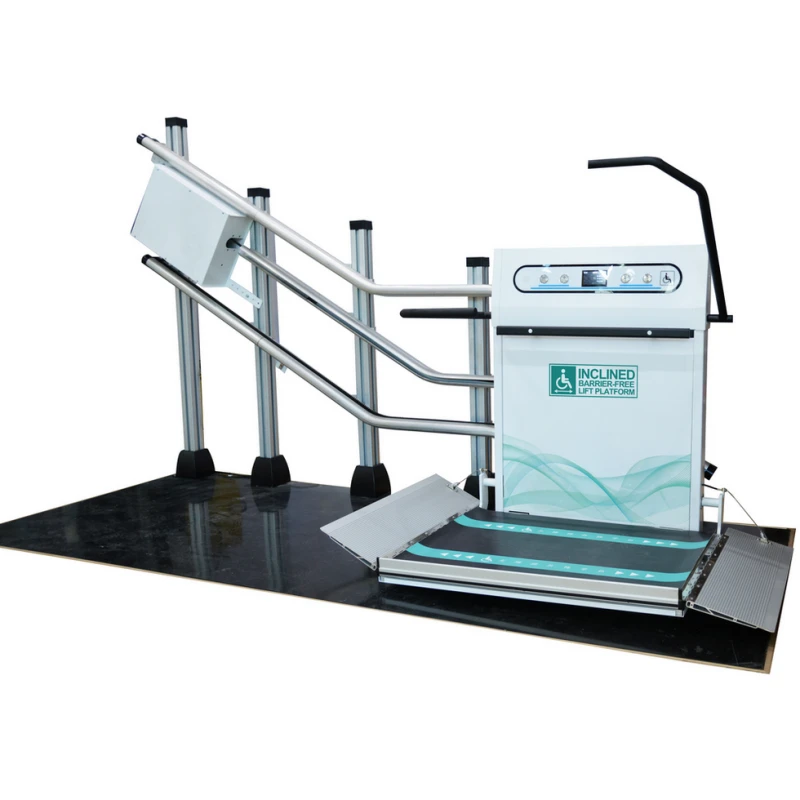
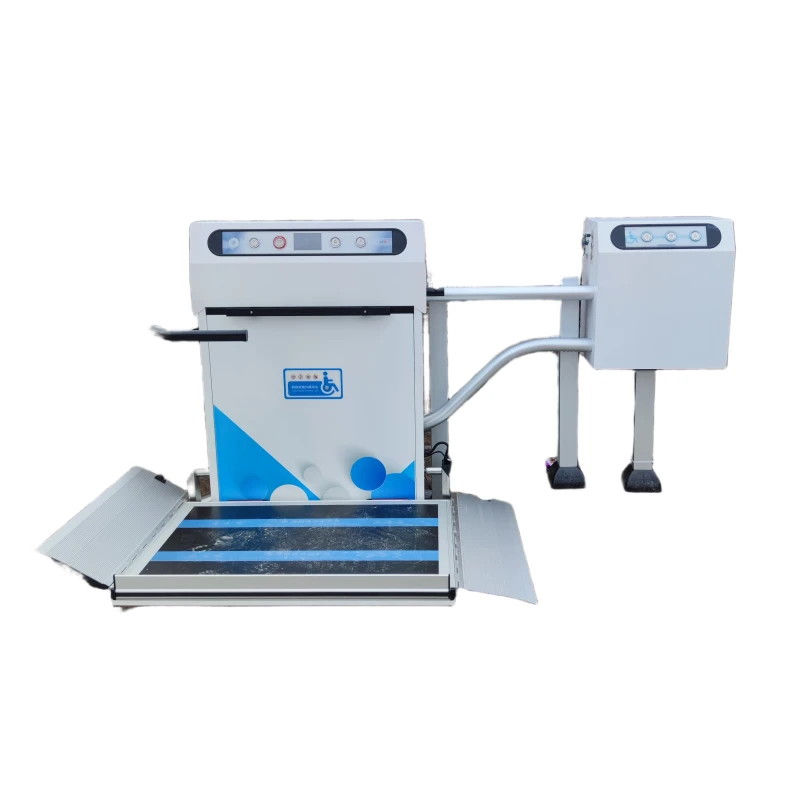
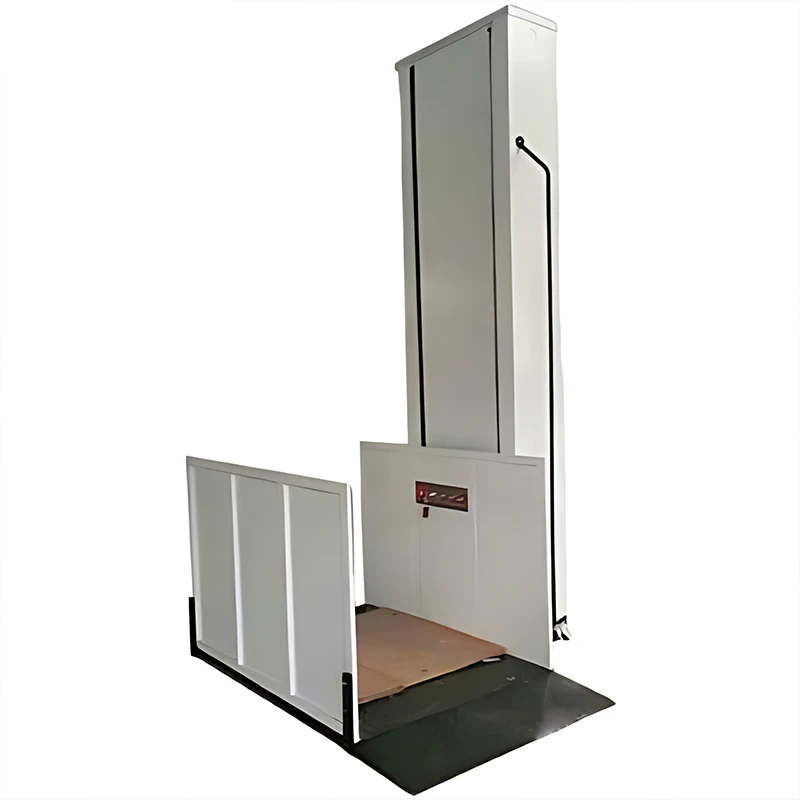
A Vertical Platform Lift is often the most practical accessibility solution when a conventional elevator system is not suitable for the building environment.
In low-rise accessibility projects, existing structures frequently create limitations involving shaft construction, pit depth, overhead clearance, traffic volume, or installation space. In these situations, Vertical Platform Lift systems help improve wheelchair accessibility while reducing structural modification requirements and installation complexity.
EKCNE is a Vertical Platform Lift manufacturer focused on accessibility-oriented building mobility solutions, wheelchair lift integration, and project-based accessibility transportation systems. Our platform lift solutions support residential, commercial, public building, and retrofit accessibility projects across different installation conditions.
Vertical Platform Lift Systems for Accessibility Projects
Unlike standard passenger elevators designed for continuous traffic transportation, Vertical Platform Lift systems are primarily engineered for low-rise wheelchair accessibility and barrier-free vertical mobility.
These systems are widely used in projects requiring:
- Wheelchair accessibility improvement
- Barrier-free building access
- Existing building accessibility retrofits
- Low-rise mobility assistance
- Compact accessibility transportation
- Entrance elevation transition
- Public accessibility upgrades
- Residential mobility support
For many retrofit projects, a wheelchair platform lift provides a more installation-friendly solution than constructing a full commercial elevator system.
EKCNE Vertical Platform Lift Product Range
Different buildings require different accessibility lift configurations.
EKCNE supplies multiple Vertical Platform Lift solutions based on project conditions, accessibility requirements, and installation environments.
Our product range includes:
- Enclosed Vertical Platform Lift systems
- Open wheelchair platform lifts
- Hydraulic wheelchair lifts
- Screw-driven accessibility lifts
- Indoor Vertical Platform Lift systems
- Outdoor wheelchair lifts
- ADA wheelchair lift solutions
- Barrier-free lifting platforms
- Commercial accessibility lifts
- Residential wheelchair lifts
This flexibility helps distributors, contractors, and project planners simplify accessibility integration across multiple building types.
Vertical Platform Lift Applications
Building traffic behavior and accessibility usage patterns directly influence platform lift selection.
Different projects require different platform dimensions, enclosure structures, safety configurations, and operational layouts.
Public Accessibility Projects
Vertical Platform Lift systems are frequently used in:
- Schools
- Libraries
- Municipal buildings
- Transportation stations
- Community centers
- Religious facilities
- Public entrances
- Government accessibility upgrades
Public-access wheelchair lifts typically require:
- Enclosed platform structures
- Higher operational durability
- Improved safety protection
- Better weather resistance
- Long-term maintenance stability
Residential Wheelchair Lift Projects
Residential Vertical Platform Lift systems are commonly installed in:
- Villas
- Duplex homes
- Residential retrofit projects
- Elderly accessibility upgrades
- Private wheelchair mobility projects
Residential wheelchair lifts usually prioritize:
- Compact installation
- Quiet operation
- Low pit requirements
- Minimal building modification
- Space-efficient layouts
Commercial Accessibility Lift Applications
Commercial accessibility lift systems are often installed at:
- Restaurant entrances
- Office lobbies
- Retail storefronts
- Split-level commercial spaces
- Small commercial buildings
These projects frequently require outdoor-compatible wheelchair lift systems with flexible entry arrangements and weather-resistant platform structures.
Vertical Platform Lift Types
Project conditions determine which Vertical Platform Lift configuration is appropriate.
No accessibility lift system is universally suitable for every building.
Enclosed Vertical Platform Lift
Enclosed Vertical Platform Lift systems provide additional protection for both passengers and equipment.
These systems are commonly used in:
- Public buildings
- Outdoor accessibility projects
- Commercial entrances
- Multi-user wheelchair access environments
Advantages include:
- Better environmental protection
- Improved operational safety
- Enhanced weather resistance
- Better long-term durability
Trade-offs may include:
- Larger installation footprint
- Higher structural requirements
- Increased installation coordination
Open Wheelchair Platform Lift
Open platform lift systems are typically used for low-rise accessibility applications with limited installation space.
These systems are often selected when projects require:
- Minimal structural modification
- Compact accessibility integration
- Low travel height
- Residential wheelchair access
- Reduced construction impact
However, open accessibility lift systems require careful attention to edge protection, landing safety, and operational clearance.
Hydraulic vs Screw Drive Vertical Platform Lift
Drive system selection directly affects lifecycle cost, maintenance accessibility, installation flexibility, and operational stability.
Hydraulic Vertical Platform Lift
Hydraulic wheelchair lift systems are commonly selected for:
- Larger platform sizes
- Higher lifting travel
- Outdoor accessibility projects
- Heavier wheelchair loads
- Commercial accessibility installations
Advantages:
- Smooth lifting operation
- Stable low-speed performance
- Better load capability
- Flexible platform sizing
Considerations:
- Hydraulic system maintenance
- Oil management requirements
- Machine arrangement planning
Screw Drive Wheelchair Lift
Screw-driven wheelchair lifts are commonly used in:
- Residential accessibility projects
- Compact indoor environments
- Lower travel height applications
- Low-frequency accessibility use
Advantages:
- Compact drive structure
- Simplified mechanical layout
- Stable stopping accuracy
Considerations:
- Lower operating speed
- Mechanical wear considerations
- Travel height limitations
Accessibility traffic patterns and maintenance expectations should always be evaluated before selecting a drive system.
Accessibility Lift Planning and Building Compatibility
A Vertical Platform Lift must integrate with overall building accessibility logic rather than function as isolated equipment.
Project planning should evaluate:
- Wheelchair turning space
- Landing accessibility
- Passenger circulation paths
- Entry and exit clearance
- Accessibility traffic behavior
- Emergency movement conditions
- Building integration compatibility
Platform entry configuration also affects usability.
Common layouts include:
- 90-degree entry
- Through-entry wheelchair access
- Same-side platform entry
Different configurations influence wheelchair maneuverability, landing safety, and installation footprint.
Safety Systems in Vertical Platform Lift Systems
Wheelchair accessibility equipment must prioritize passenger safety and operational reliability.
Modern Vertical Platform Lift systems commonly include:
- Emergency stop buttons
- Interlock landing doors
- Under-platform obstruction protection
- Safety flaps
- Overload protection
- Emergency lowering systems
- Anti-shear protection
- Continuous-pressure controls
- Emergency alarm systems
For open wheelchair platform lift systems, barrier protection and operational clearance become especially important because passenger exposure increases during platform movement.
Vertical Platform Lift Installation Considerations
Most accessibility lift projects involve existing building retrofits.
This creates installation conditions that directly affect platform lift selection.
Typical project limitations include:
- Restricted shaft construction space
- Limited pit depth
- Existing stair interference
- Outdoor exposure conditions
- Structural reinforcement limitations
- Electrical routing restrictions
- Overhead clearance limitations
Compared with conventional elevators, Vertical Platform Lift systems generally require:
- Smaller construction scope
- Lower structural modification
- Faster installation coordination
- Reduced building interruption
However, project suitability still depends on actual building conditions and accessibility requirements.
Indoor and Outdoor Wheelchair Lift Solutions
Indoor and outdoor accessibility lift systems operate under different engineering conditions.
Indoor Vertical Platform Lift Systems
Indoor accessibility lifts generally prioritize:
- Quiet operation
- Compact layouts
- Interior compatibility
- Residential integration
- Space efficiency
Outdoor Wheelchair Platform Lift Systems
Outdoor Vertical Platform Lift projects require additional attention to:
- Rain exposure
- Corrosion resistance
- Drainage planning
- Temperature variation
- Surface treatment durability
- Electrical protection
Outdoor wheelchair lifts often benefit from enclosed structures and weather-protected control systems.
Custom Vertical Platform Lift Solutions
Accessibility projects rarely follow identical building conditions.
As a Vertical Platform Lift supplier and wheelchair lift manufacturer, EKCNE supports customized accessibility lift configurations based on project requirements.
Customization options include:
- Platform dimensions
- Lifting height
- Indoor or outdoor deployment
- Enclosure structures
- Entry direction
- Drive system selection
- Guardrail configurations
- Glass or metal panel integration
- Accessibility control layouts
- Surface finishes
This flexibility helps simplify integration with existing architectural environments and accessibility planning requirements.
Why Accessibility Retrofit Projects Require Engineering Evaluation
Many accessibility projects initially appear straightforward.
In practice, retrofit conditions often create installation challenges involving both building limitations and operational safety.
Common issues include:
- Wheelchair turning limitations
- Uneven landing conditions
- Existing stair conflicts
- Structural reinforcement constraints
- Platform stopping accuracy
- Outdoor drainage conditions
- Electrical routing limitations
- Long-term maintenance accessibility
Because of this, accessibility lift planning should always consider both wheelchair mobility requirements and long-term building integration strategy.
FAQ