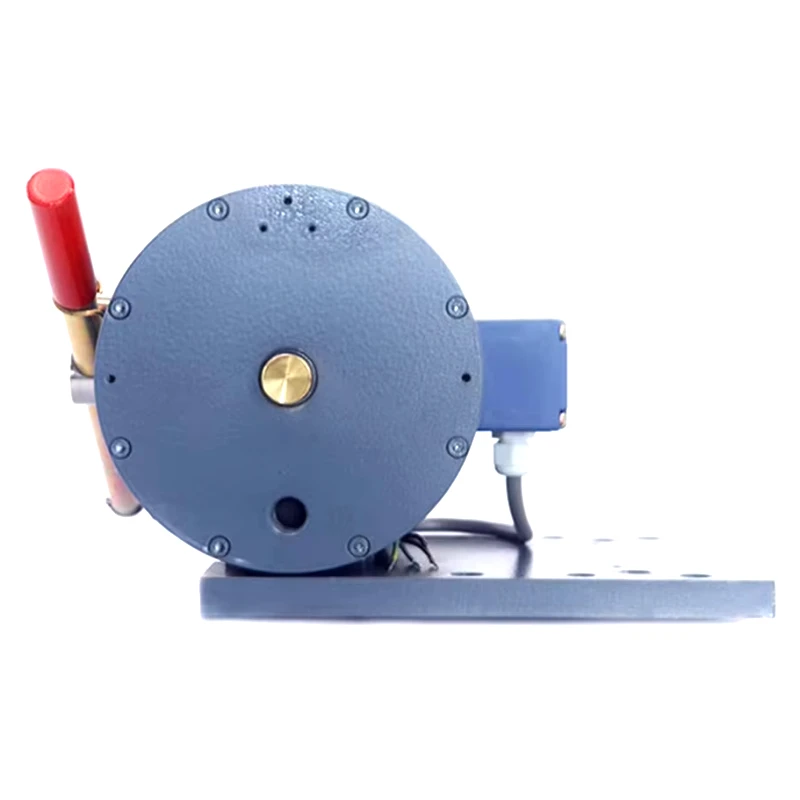
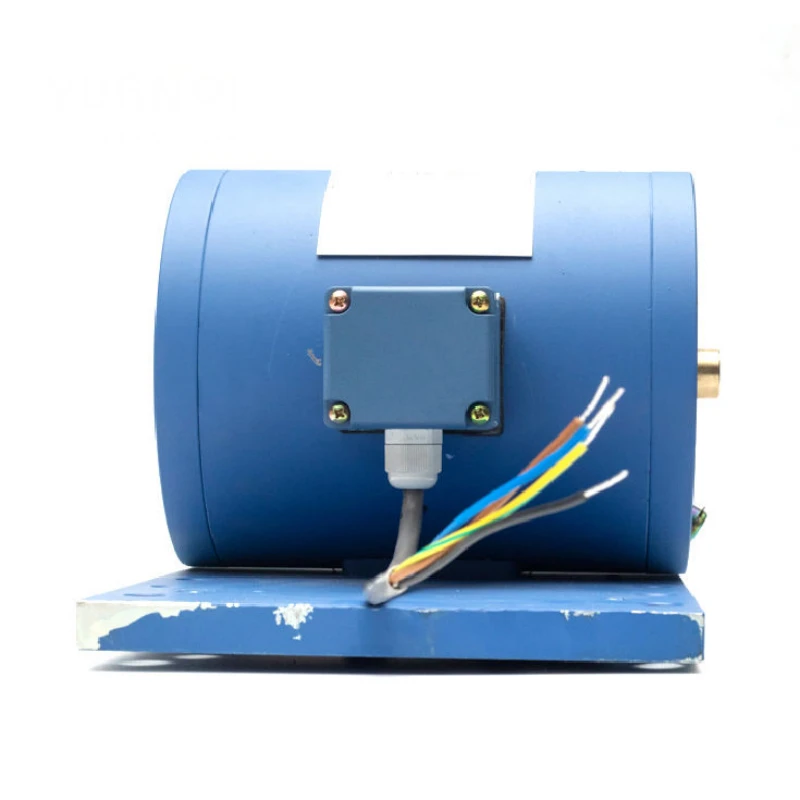
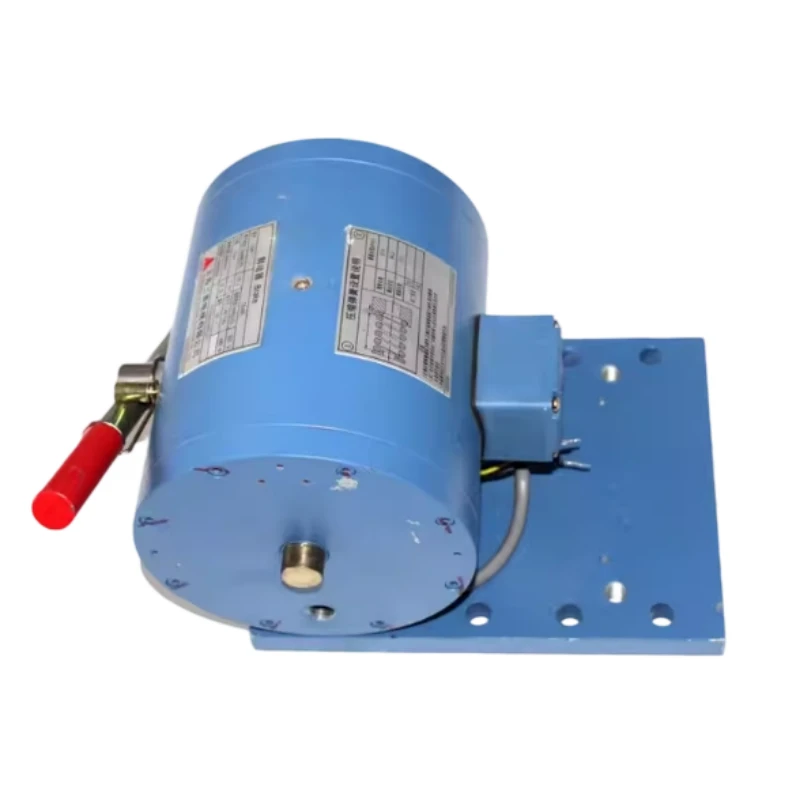
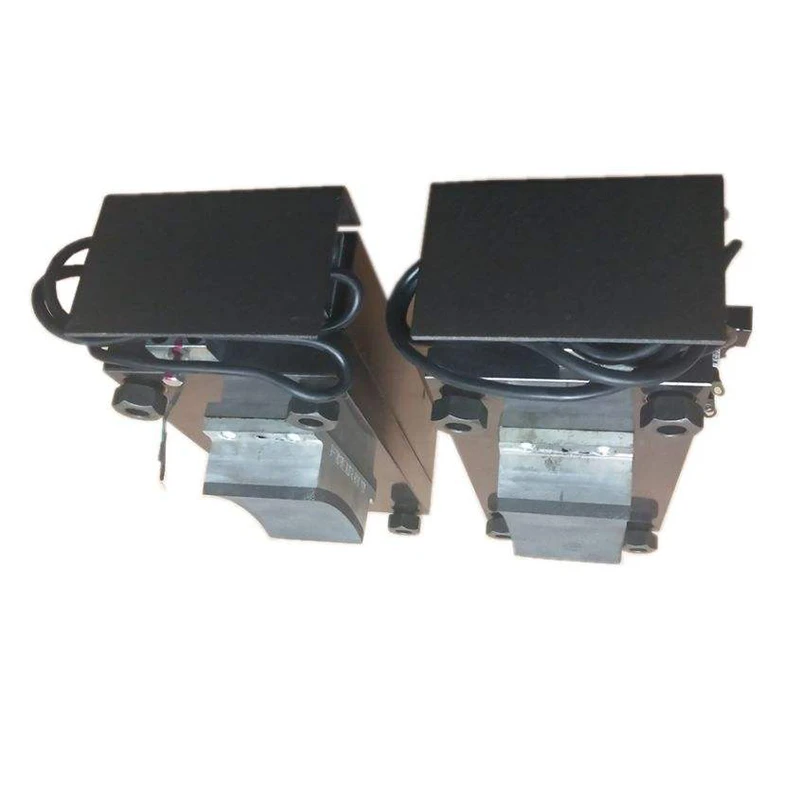
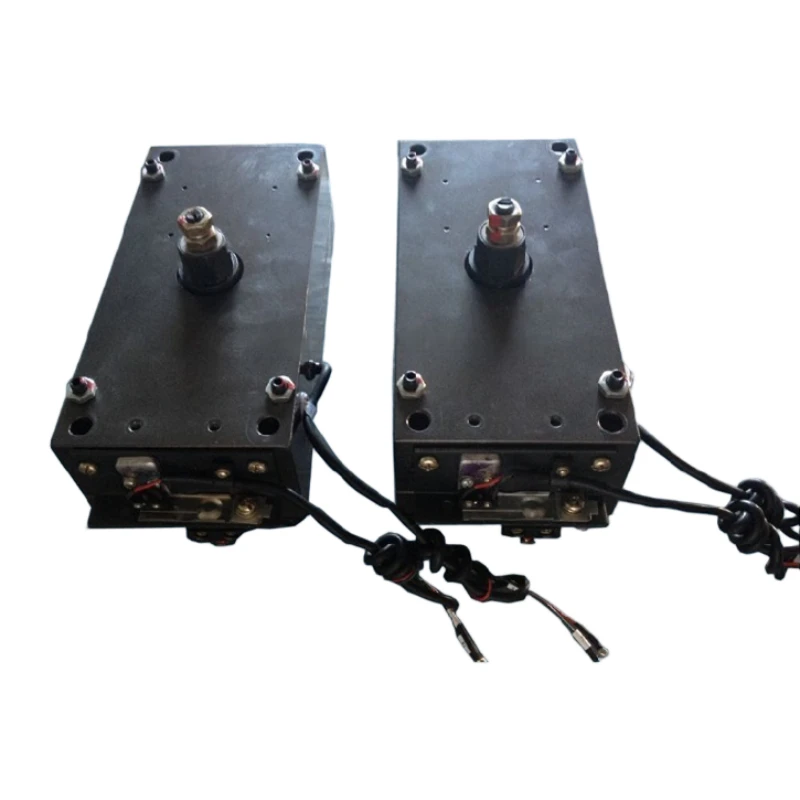
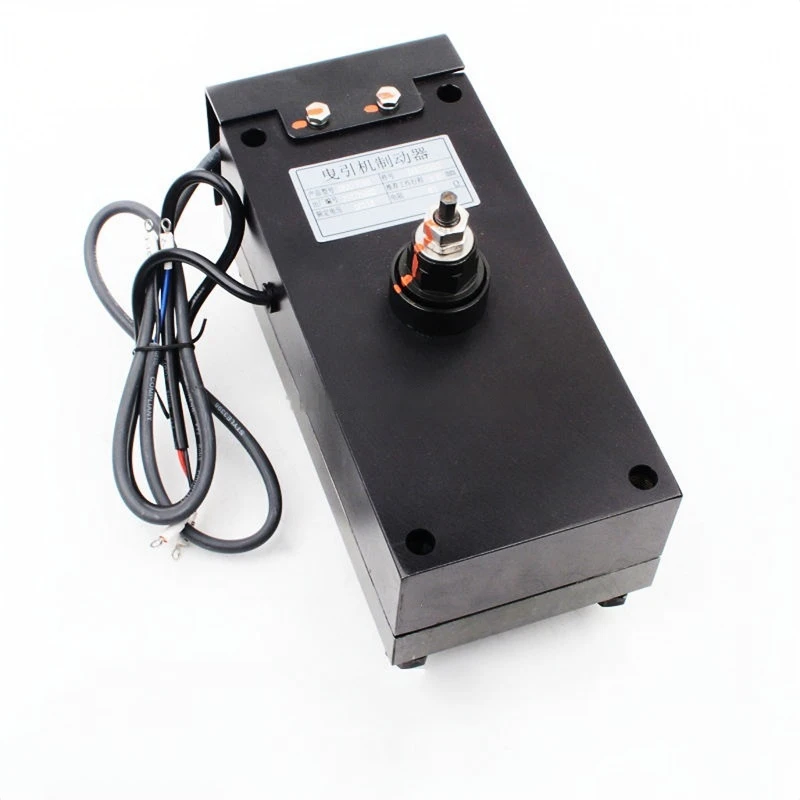
Elevator Brake Solutions for Modern Elevator Systems
An elevator brake is designed to stop and hold the elevator car by acting directly on the traction machine or drive system.
Under normal operating conditions, the brake works together with the elevator control system to provide smooth stopping at designated floors. During emergency situations, the brake becomes a critical safety device that helps prevent uncontrolled movement and protects passengers and equipment.
Modern elevator braking systems are typically used for:
As elevator systems become more intelligent and safety standards become stricter, brake performance, monitoring capability, and redundancy have become increasingly important selection factors.
Elevator Brake Types Available
Different elevator systems require different braking configurations depending on load, speed, and traction machine design.
Electromagnetic Elevator Brakes
Electromagnetic brakes are the most common solution used in modern traction elevators.
Key advantages include:
- Fast response time
- Stable holding force
- Reliable emergency stopping performance
- Compatibility with modern control systems
- Reduced maintenance requirements
These brakes are widely used in passenger and commercial elevator applications.
Traction Machine Brakes
Traction machine brakes are integrated directly with the elevator drive machine.
They provide:
- Controlled deceleration
- Precise stopping performance
- Long-term holding capability
- Compatibility with gearless and geared machines
These systems are commonly found in high-rise and medium-rise elevator installations.
Modernization and Replacement Brakes
Many existing elevators require brake replacement during modernization projects.
Replacement brake solutions help:
- Improve operational safety
- Meet updated code requirements
- Reduce downtime
- Extend equipment service life
- Improve compatibility with new control systems
For modernization projects, brake selection must consider machine type, load conditions, and existing installation constraints.
Safety Functions of Elevator Braking Systems
The brake is not only a stopping device. It is an essential component of the elevator safety architecture.
A properly designed elevator brake helps support:
Emergency Stopping
When the electrical safety circuit detects an unsafe condition, power to the drive system is interrupted and the brake is activated immediately.
This allows the elevator to stop safely before further system damage occurs.
Controlled Deceleration
Modern brakes work together with the controller and drive system to reduce speed smoothly before the elevator reaches its stopping position.
This improves passenger comfort and reduces mechanical stress.
Holding Function
Once the elevator reaches a landing, the brake maintains the car position securely and prevents unintended movement.
Buffer Protection Coordination
Elevator safety systems are designed so that braking action helps reduce speed before the car reaches terminal buffers during abnormal conditions.
This minimizes impact forces and improves overall system protection.
EN81 Safety and Brake Compliance Considerations
Elevator brake performance is governed by strict international safety requirements.
According to EN81 safety principles, elevator braking systems must provide reliable stopping capability even under demanding operating conditions.
Important design considerations include:
- Reliable stopping under rated load conditions
- Mechanical integrity during emergency operation
- Brake monitoring capability
- Independent safety circuit integration
- Fail-safe operation during power loss
- Compatibility with emergency rescue procedures
For project owners and elevator manufacturers, selecting brake components that support recognized safety standards is essential for long-term compliance and operational reliability.
Why Brake Redundancy Matters
One of the most important safety concepts in modern elevator design is brake redundancy.
A single component failure should not result in total loss of braking capability.
For this reason, many modern elevator systems utilize:
- Dual braking mechanisms
- Independent braking circuits
- Multiple monitoring contacts
- Continuous brake status supervision
Redundant braking architecture helps improve passenger safety and reduces operational risks in demanding environments.
This design approach is particularly important for:
- High-rise buildings
- Public transportation facilities
- Hospitals
- Airports
- Commercial complexes
- High-traffic installations
Elevator Brake Applications
Different elevator sectors place different demands on braking performance.
| Application |
Primary Requirement |
| Passenger Elevators |
Smooth stopping and passenger comfort |
| Freight Elevators |
High holding force and durability |
| Hospital Elevators |
Stable and precise floor leveling |
| Residential Elevators |
Quiet operation and reliability |
| Commercial Buildings |
High cycle durability |
| Modernization Projects |
Compatibility with existing systems |
Selecting the correct elevator brake requires consideration of:
- Rated load
- Elevator speed
- Drive machine type
- Control system compatibility
- Building traffic requirements
- Maintenance strategy
OEM Elevator Brake Manufacturing and Supply
As an elevator brake manufacturer and supplier, EKCNE supports customers requiring both standardized and customized solutions.
Our supply capabilities include:
- Elevator brake assemblies
- Traction machine brake components
- Elevator brake replacement parts
- OEM manufacturing support
- Global project supply
- Modernization project support
We work with elevator manufacturers, distributors, service providers, contractors, and project developers seeking reliable component sourcing for long-term elevator operation.
About EKCNE
Supporting Global Elevator and Escalator Projects Since 2009
Founded in 2009, EKCNE Elevators is a project-oriented vertical transportation solution provider serving residential, commercial, healthcare, industrial, and infrastructure projects worldwide.
Our product portfolio covers complete elevator systems, escalators, moving walkways, accessibility lifts, industrial lifting equipment, elevator shafts, and key elevator components.
Beyond component supply, we support project planning, customized configuration, manufacturing coordination, export logistics, modernization projects, and long-term maintenance compatibility.
FAQ
How often should elevator brakes be replaced?
Replacement intervals vary depending on operating cycles, environmental conditions, maintenance quality, and brake design. Regular inspections help identify wear before performance is affected, allowing maintenance teams to plan replacement schedules based on actual operating conditions rather than fixed timelines.
Can elevator brakes be used for modernization projects?
Yes. Many modernization programs include brake replacement to improve safety, reliability, and compliance with current standards. Proper selection requires evaluating the existing traction machine, control system, installation space, and project performance requirements.
What is brake redundancy in elevators?
Brake redundancy means the elevator retains braking capability even if one component fails. Modern systems often use multiple braking elements, independent circuits, and monitoring functions to improve safety and reduce the risk of uncontrolled movement.
Are elevator brakes different for passenger and freight elevators?
Yes. Freight elevators typically require higher holding forces and greater durability due to heavier loads. Passenger elevators often prioritize smooth stopping performance, ride comfort, and precise leveling in addition to safety requirements.
What factors should be considered when selecting an elevator brake?
Important factors include rated load, operating speed, traction machine type, control system compatibility, building usage, maintenance requirements, and applicable safety standards. Proper brake selection helps improve reliability and reduce lifecycle costs.