Efficient vertical transportation inside a building is not always about moving people.
In restaurants, hotels, hospitals, libraries, villas, and commercial kitchens, the real operational challenge is often the movement of meals, trays, supplies, documents, utensils, and small freight between floors.
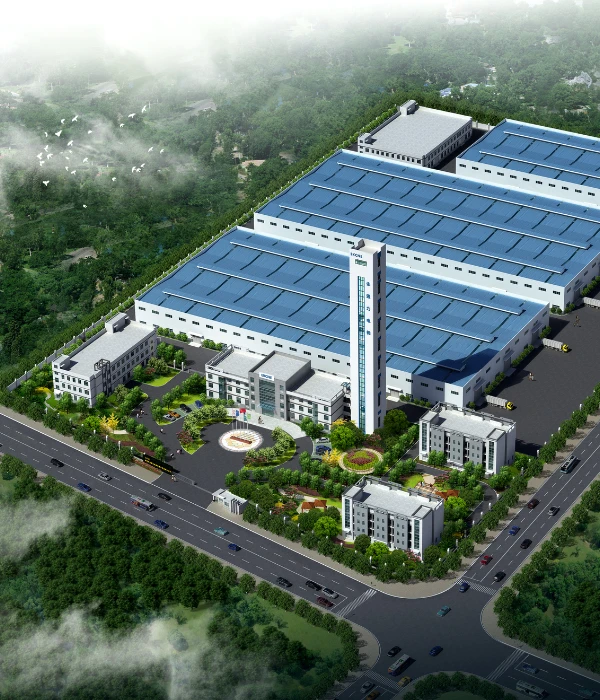
EKCNE provides customized Dumbwaiter Elevator systems designed for compact building logistics, back-of-house transportation efficiency, and long-term operational reliability. As a China dumbwaiter elevator manufacturer and project-oriented vertical transportation supplier, EKCNE supports building-compatible dumbwaiter solutions for commercial, hospitality, healthcare, and residential projects worldwide.
Our dumbwaiter lift systems are developed for projects where space efficiency, hygiene control, stable operation, and simplified service transportation matter more than high-speed passenger movement.
What Is a Dumbwaiter Elevator
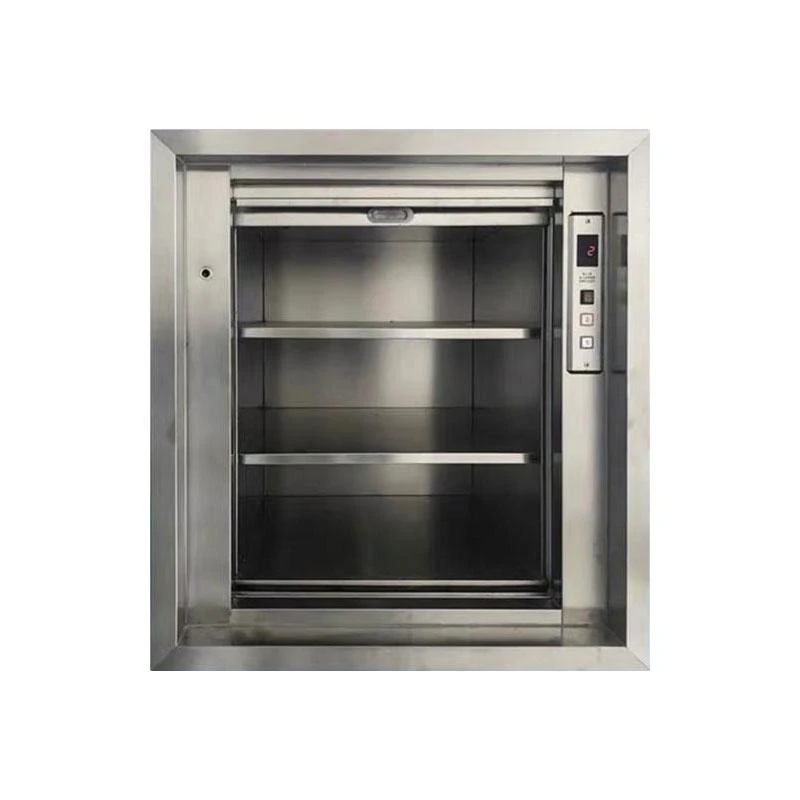
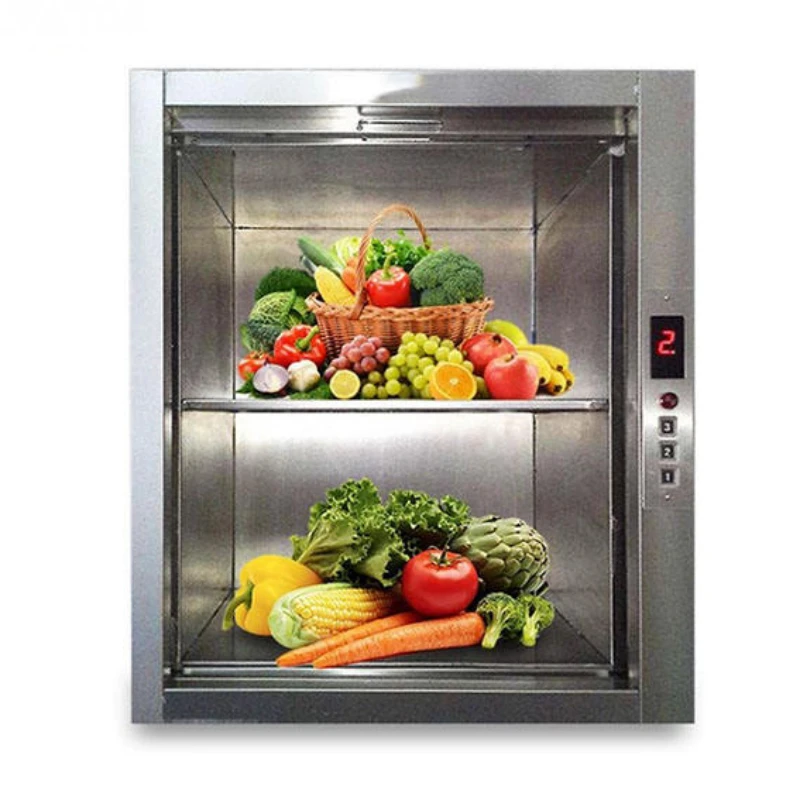
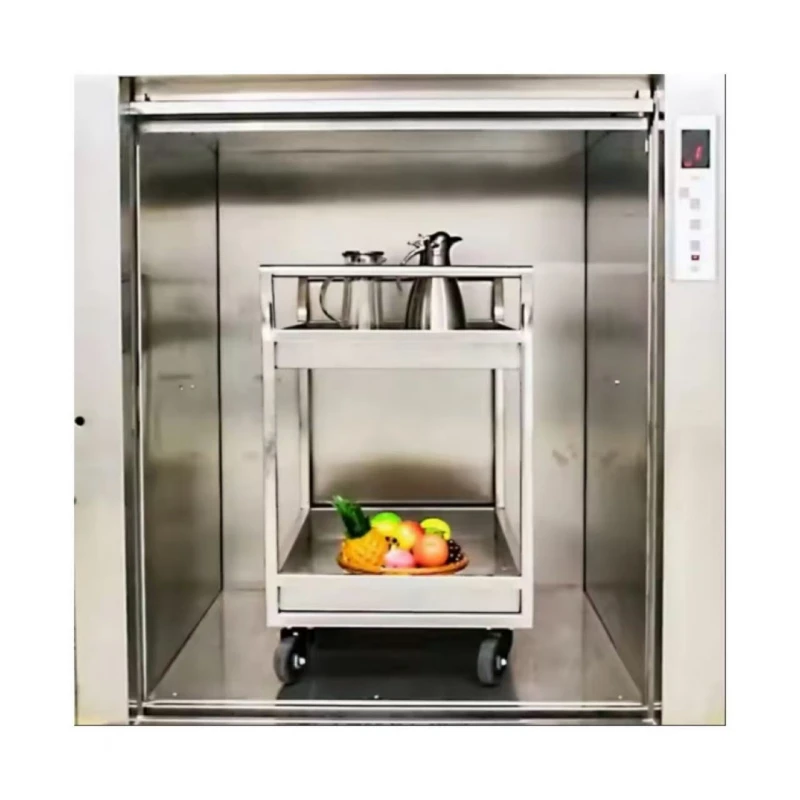
A dumbwaiter elevator is a compact vertical transportation system designed exclusively for moving goods between floors. Unlike passenger elevators, dumbwaiter systems are engineered for small-load service transportation and are not intended for human use.
These systems are commonly installed in:
- Restaurants
- Hotels
- Commercial kitchens
- Cafeterias
- Hospitals
- Villas
- Libraries
- Offices
- Archives
- Food preparation facilities
In many buildings, a dumbwaiter lift reduces unnecessary staff movement, improves workflow coordination, and minimizes congestion in passenger elevator systems.
For projects with limited shaft space or retrofit constraints, dumbwaiter elevators often provide a more practical logistics solution than installing a full freight elevator.
Why Buildings Use Dumbwaiter Elevator Systems
In real projects, building transportation efficiency is often influenced by service logistics rather than passenger traffic alone.
A restaurant may struggle with repeated staff movement between kitchen and dining floors.
A hotel may require continuous linen and tray transportation without disrupting guest circulation.
A hospital may separate food delivery paths from patient transportation routes.
In these situations, a dumbwaiter elevator helps optimize operational flow while reducing labor pressure inside the building.
Typical project advantages include:
- Reduced manual stair transportation
- Improved service efficiency
- Cleaner food transportation workflow
- Reduced interaction between service traffic and public traffic
- Better back-of-house organization
- Lower operational fatigue for staff
- Compact installation footprint
- Simplified multi-floor logistics
EKCNE Dumbwaiter Elevator Solutions
EKCNE supplies customized dumbwaiter elevator systems for different building environments and operational requirements.
Depending on project conditions, systems can be configured for:
- Food transportation
- Service tray movement
- Medical supply transfer
- Small cargo transportation
- Document transportation
- Hotel logistics
- Villa kitchen service
- Commercial kitchen operations
Our dumbwaiter systems can be adapted for both new construction and modernization projects where shaft conditions or installation space are limited.
Common Dumbwaiter Elevator Applications
Restaurant Dumbwaiter Elevator
Restaurants and commercial kitchens often experience repetitive vertical transportation pressure during peak service periods.
A restaurant dumbwaiter lift helps reduce manual tray transportation between kitchen floors and dining levels while improving delivery coordination and workflow efficiency.
These systems are commonly used for:
- Meal transportation
- Tray movement
- Dish return workflow
- Beverage transportation
- Kitchen supply movement
In many restaurant projects, compact shaft integration becomes more important than travel speed.
Hotel Service Dumbwaiter
Hotels frequently require continuous transportation of towels, meals, utensils, minibar supplies, and housekeeping materials.
A hotel dumbwaiter elevator helps separate service logistics from guest transportation areas, improving operational organization while reducing unnecessary use of passenger elevators.
For hospitality projects, hygiene-oriented stainless steel cabin configurations are often preferred due to cleaning requirements and long-term durability.
Hospital Dumbwaiter Lift
Hospitals and clinics often use dumbwaiter elevators for transporting:
- Meals
- Medical supplies
- Pharmacy items
- Documents
- Sterilized tools
In healthcare environments, transportation route separation is important for operational management and hygiene control.
Some projects also require different transportation paths for clean and contaminated materials, which influences shaft planning and door arrangement decisions.
Villa Dumbwaiter Elevator
In multi-floor villas, dumbwaiter elevators improve convenience between kitchens, dining spaces, wine storage areas, and upper floors.
Compared with residential freight elevators, villa dumbwaiter systems occupy less space and usually involve simpler installation conditions.
These systems are often selected when the building does not require full passenger transportation but still needs vertical service convenience.
Dumbwaiter Elevator Structure and Engineering Design
A dumbwaiter elevator may appear simple externally, but long-term operational stability depends heavily on shaft planning, guide structure, door alignment, suspension configuration, and safety protection logic.
Typical dumbwaiter system components include:
- Cabin or service platform
- Guide rails
- Suspension system
- Drive system
- Landing doors
- Control system
- Safety interlock devices
- Limit switches
- Overspeed protection devices
- Braking system
Because dumbwaiter elevators usually operate in compact shafts, installation tolerances and door alignment accuracy become especially important during project deployment.
Improper shaft conditions can lead to:
- Door interference
- Guide rail misalignment
- Increased vibration
- Abnormal noise
- Long-term maintenance instability
Dumbwaiter Drive System Options
Different projects require different drive strategies depending on travel height, load requirements, shaft conditions, and maintenance expectations.
Traction Dumbwaiter Elevator
Traction dumbwaiter systems are commonly used in projects requiring smoother operation and higher lifting stability.
Advantages include:
- Stable operation
- Lower vibration
- Better multi-floor performance
- Suitable for higher travel heights
- More efficient continuous operation
However, traction systems may require more precise shaft alignment and installation conditions.
Hydraulic Dumbwaiter Lift
Hydraulic dumbwaiter elevators are often selected for lower-rise buildings with moderate travel requirements.
Advantages include:
- Simplified lifting structure
- Flexible installation
- Good low-rise compatibility
- Reduced overhead requirements in some projects
Trade-offs may include:
- Lower operational speed
- Different maintenance requirements
- Hydraulic system servicing considerations
Project suitability depends on building layout, installation accessibility, and operational frequency.
Dumbwaiter Elevator Safety Design
Although dumbwaiter elevators are not designed for passenger transportation, safety engineering remains critical for long-term building operation.
EKCNE dumbwaiter systems can support multiple safety protection strategies depending on project requirements.
Typical protection systems may include:
- Door interlock protection
- Overspeed safety devices
- Limit switches
- Slack rope or chain protection
- Brake protection systems
- Emergency stop devices
- Obstruction protection
- Electrical safety interlocks
- Maintenance inspection protection
In real projects, door interlock reliability is particularly important because dumbwaiter systems frequently operate in kitchens, service corridors, and busy commercial environments.
Stainless Steel Dumbwaiter Elevator Configuration
Many commercial dumbwaiter elevator projects prefer stainless steel cabin structures due to hygiene requirements and cleaning accessibility.
This configuration is especially common in:
- Restaurants
- Hotels
- Food preparation facilities
- Healthcare environments
- Commercial kitchens
Stainless steel structures help reduce long-term corrosion risk while simplifying routine cleaning and maintenance procedures.
For projects involving food transportation, smooth interior surfaces and easy-clean cabin structures are often prioritized over decorative finishes.
Dumbwaiter Elevator Installation Considerations
In many retrofit projects, shaft limitations become the primary engineering challenge.
Important planning considerations include:
- Shaft dimensions
- Pit depth
- Overhead clearance
- Door opening layout
- Machine room arrangement
- Power supply conditions
- Maintenance access
- Structural support conditions
Some existing buildings cannot easily accommodate standard freight elevators due to limited available space. In these situations, a dumbwaiter elevator may provide a more realistic building integration solution.
For older buildings, early shaft evaluation is important before confirming the final dumbwaiter configuration.
Maintenance and Lifecycle Considerations
Long-term dumbwaiter reliability depends less on speed and more on operational consistency, door alignment stability, guide system condition, and routine maintenance access.
In commercial kitchen environments, common long-term operational issues may include:
- Door rail contamination
- Food residue accumulation
- Cabin impact damage
- Misalignment caused by overloaded carts
- Moisture exposure
- Improper cleaning procedures
For this reason, many building operators prioritize maintenance accessibility and component replacement simplicity during procurement evaluation.
EKCNE supports long-term project compatibility through standardized component integration and scalable elevator supply coordination.
Discuss Your Dumbwaiter Elevator Project
Every building has different service transportation requirements.
A restaurant kitchen, hospital logistics area, hotel back-of-house corridor, or villa service layout may all require different dumbwaiter configurations, shaft strategies, and operational planning considerations.
EKCNE can help evaluate:
- Building compatibility
- Shaft conditions
- Transportation workflow
- Load requirements
- Installation limitations
- Customization feasibility
- Commercial integration requirements
Discuss your dumbwaiter elevator project requirements with the EKCNE team to explore suitable vertical service transportation solutions for your building.