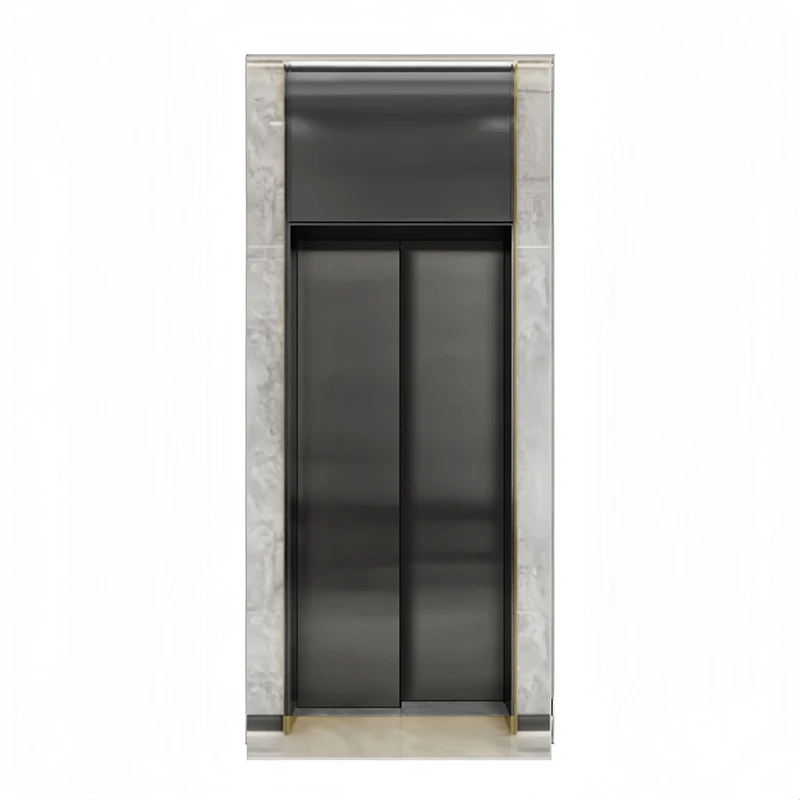
Elevator Door Systems for Passenger and Commercial Elevators
Elevator door systems are essential safety and traffic management components in modern vertical transportation systems.
They control passenger entrance movement, coordinate opening and closing behavior, and help ensure reliable synchronization between the car door and landing door during elevator operation.
Modern elevator doors are no longer simple mechanical panels.
They are integrated systems that combine door operators, linkage mechanisms, transmission structures, guide components, locking devices, and entrance protection systems to support stable and safe movement across different building applications.
EKCNE provides elevator door solutions for passenger elevators, freight elevators, commercial buildings, residential projects, hospitals, and modernization applications.
Our product range includes center opening doors, side opening doors, folding doors, swing doors, and manual elevator door configurations designed for different installation and traffic requirements.
Elevator Door Systems and Their Role in Elevator Operation
An elevator door system typically consists of:
- Car doors
- Landing doors
- Door operators
- Linkage mechanisms
- Door locks
- Guide structures
- Safety protection systems
- Door synchronization mechanisms
According to the elevator structure principles described in the technical material, automatic elevator doors rely on coordinated movement between the operator mechanism and the door linkage system.
When the elevator reaches the landing zone, the operator drives the car door movement while the door vane and linkage mechanism coordinate the opening of the landing door.
This synchronized operation allows both doors to open and close together safely and efficiently.
Stable door coordination directly affects:
- Passenger traffic flow
- Door movement smoothness
- Entrance safety
- Noise and vibration levels
- Long-term operational stability
- Maintenance frequency
Elevator Door Types for Different Building Requirements
Different buildings and elevator applications require different elevator door configurations.
EKCNE supports multiple elevator entrance system types for various operational conditions and architectural layouts.
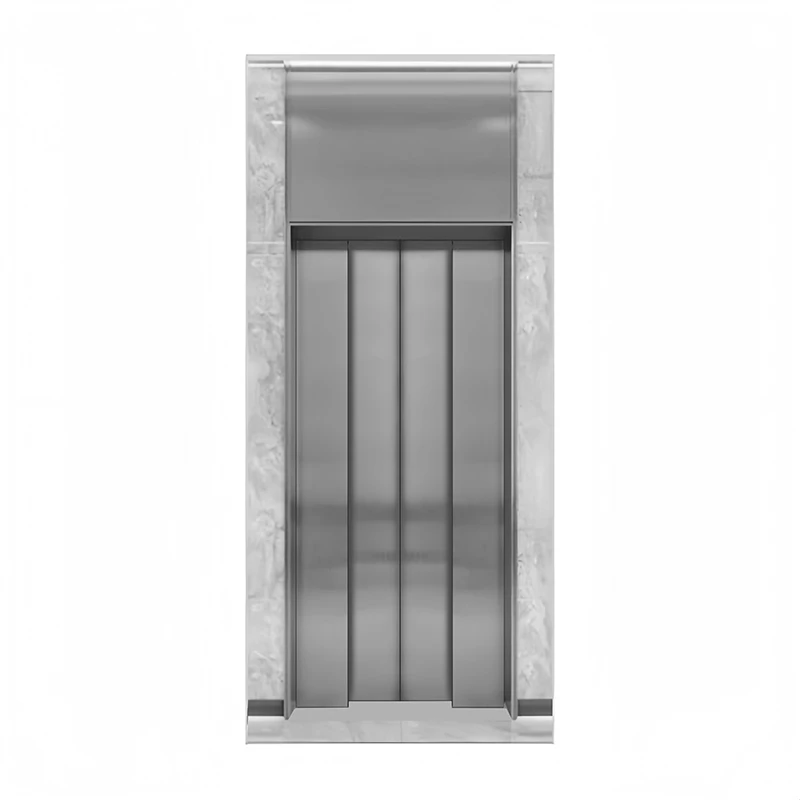
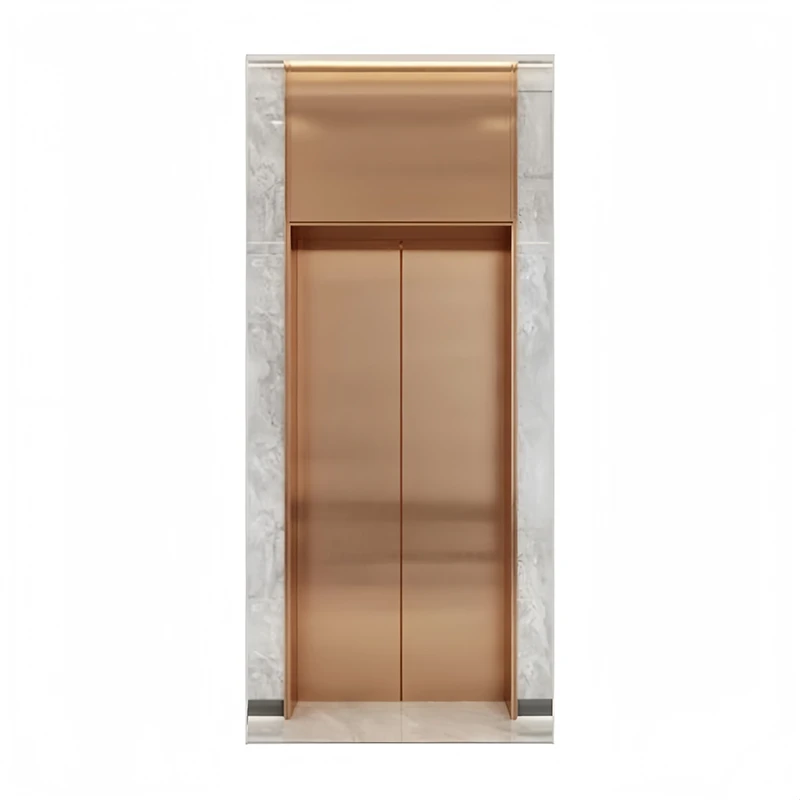
Center Opening Elevator Door
Center opening elevator doors are commonly used in passenger elevators and commercial buildings.
These systems provide:
- Balanced opening movement
- Wider entrance access
- Smooth passenger flow
- Symmetrical door operation
- Efficient traffic handling
Center opening configurations are widely used in office buildings, hotels, shopping centers, and public transportation facilities.
Side Opening Elevator Door
Side opening elevator doors are commonly used where installation space or shaft conditions require directional opening movement.
These systems help support:
Side opening systems may use single-panel or multi-panel configurations depending on traffic and opening width requirements.
Folding Elevator Door Systems
Folding elevator doors are often selected for limited installation spaces or specialized elevator applications.
Compared with standard sliding systems, folding doors can help optimize entrance space while maintaining controlled opening movement.
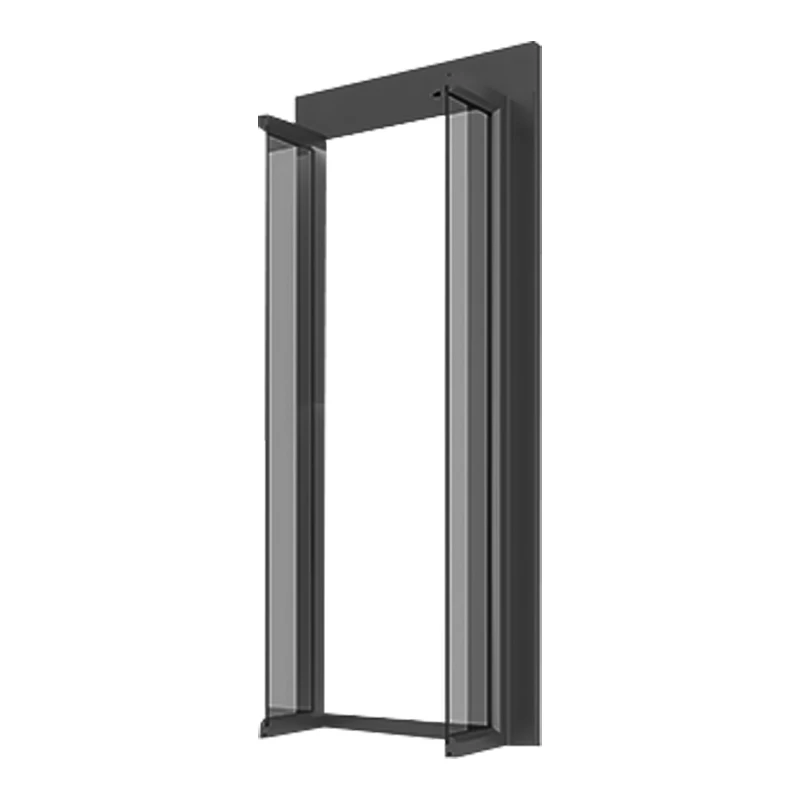
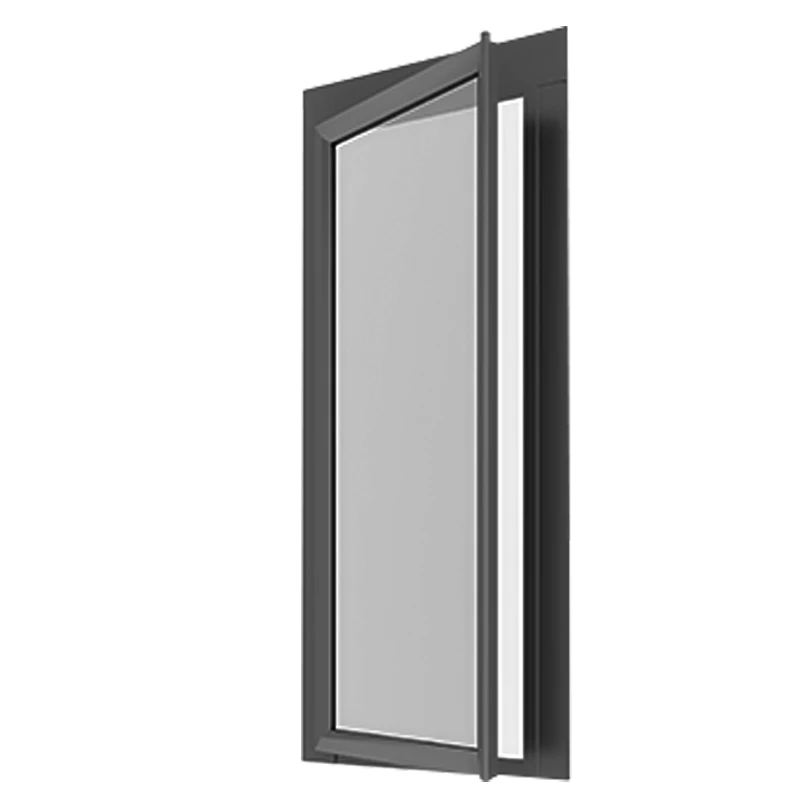
Swing Elevator Door
Automatic swing doors and manual swing doors are often used in:
- Accessibility lifts
- Residential elevators
- Small platform lifts
- Low-traffic applications
These systems focus on practical access control and flexible installation conditions.
Manual Elevator Door
Manual pull doors are still used in certain freight elevator systems, industrial lifting equipment, and modernization projects.
Compared with automatic door systems, manual doors have simpler operating structures but require reliable locking and safety coordination.
Automatic Elevator Door Operating Mechanisms
The technical material you provided explains that elevator door systems commonly use automatic opening and closing mechanisms driven by powered door operators.
Modern automatic elevator doors typically include:
- Door motors
- Belt-driven transmission systems
- Linkage arms
- Guide rails
- Door hangers
- Door sliders
- Door locking coordination systems
Current elevator door operators are widely based on:
- VVVF control systems
- AC door motors
- Belt transmission structures
- Controlled acceleration and deceleration logic
These systems help improve:
- Opening precision
- Movement consistency
- Operational noise control
- Passenger comfort
- Long-term stability
Compared with older mechanical systems, modern VVVF-driven door operators provide smoother movement control and more flexible speed adjustment.
Door Linkage and Synchronization Systems
Automatic elevator doors rely on coordinated linkage movement between the car door and landing door.
The technical material specifically explains that:
- The car door acts as the active door
- The landing door follows through linkage coordination
- Door vane mechanisms engage the landing door lock roller
- Linkage structures synchronize opening movement
This coordination system is critical for safe operation.
Proper synchronization helps ensure:
- Controlled opening timing
- Stable door movement
- Accurate door locking
- Reduced operational deviation
- Consistent entrance alignment
Poor synchronization may gradually lead to:
- Uneven movement
- Door vibration
- Misalignment
- Increased wear
- Repeated maintenance adjustment
Elevator Door Locking and Safety Systems
Door locking systems are among the most important safety components in elevator operation.
The technical material emphasizes that elevator doors must remain securely locked when the elevator is not positioned within the unlocking zone.
Modern elevator door systems commonly include:
- Landing door locks
- Car door locking coordination
- Electrical safety verification contacts
- Mechanical locking devices
- Emergency unlocking mechanisms
These systems help prevent:
- Accidental door opening
- Unsafe shaft access
- Door unlocking during movement
- Passenger fall hazards
Reliable door locking coordination is essential for overall elevator safety.
Elevator Entrance Protection Systems
Modern elevator entrance systems also include passenger protection devices designed to improve entrance safety during opening and closing cycles.
Common entrance protection systems include:
- Safety light curtains
- Infrared protection systems
- Safety edges
- Obstacle detection systems
- Entrance monitoring sensors
The technical material explains that infrared curtain systems create scanning protection zones across the entrance area.
When a passenger or object enters the detection area, the system immediately sends a reopening signal to prevent impact during door closing.
These protection systems help improve:
- Passenger safety
- Entrance response accuracy
- Door reopening performance
- Operational reliability
Elevator Door Stability and Long-Term Performance
Elevator door systems operate continuously throughout daily building traffic cycles.
Because of repeated opening and closing movement, long-term stability depends heavily on:
- Structural consistency
- Guidance accuracy
- Stable transmission behavior
- Reliable linkage coordination
- Proper component matching
Movement instability may gradually increase stress across the overall door system, affecting:
- Door motors
- Belts
- Hanger rollers
- Guide rails
- Door sliders
- Locking mechanisms
Consistent system coordination helps reduce operational fluctuation and supports smoother long-term performance.
Elevator Door Solutions for Different Applications
Different elevator projects require different entrance system configurations.
EKCNE supports elevator door systems for:
Configurations can be selected according to:
- Traffic demand
- Opening width
- Installation space
- Door type
- Building function
- Operator compatibility
- Safety requirements