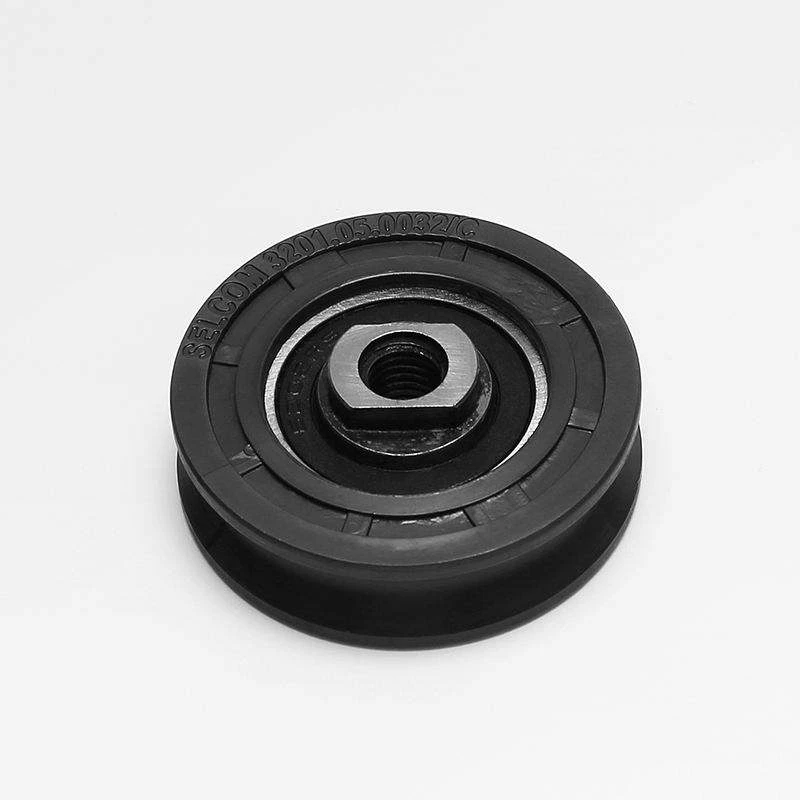
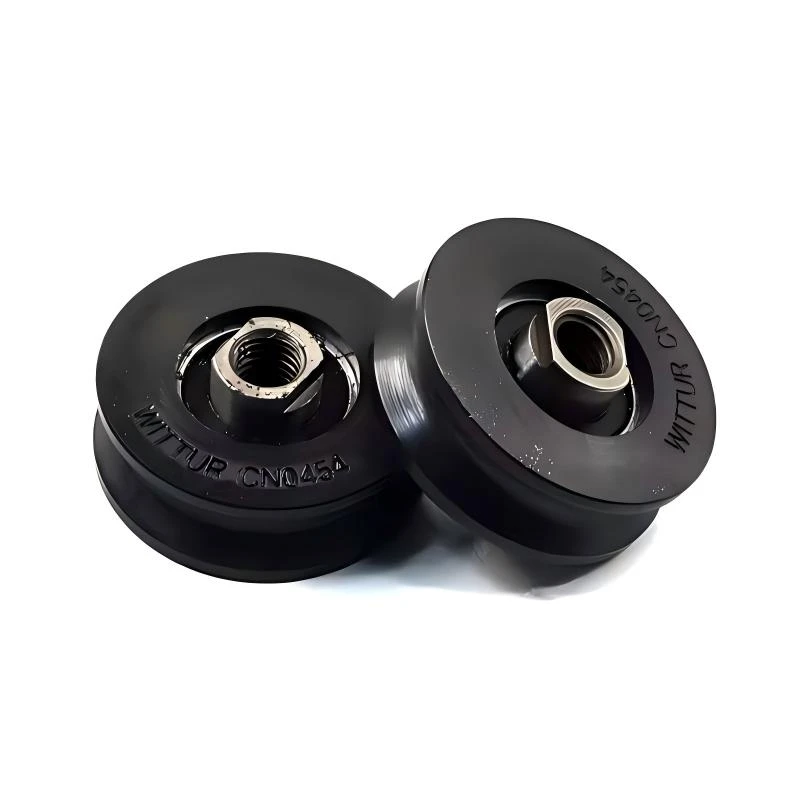
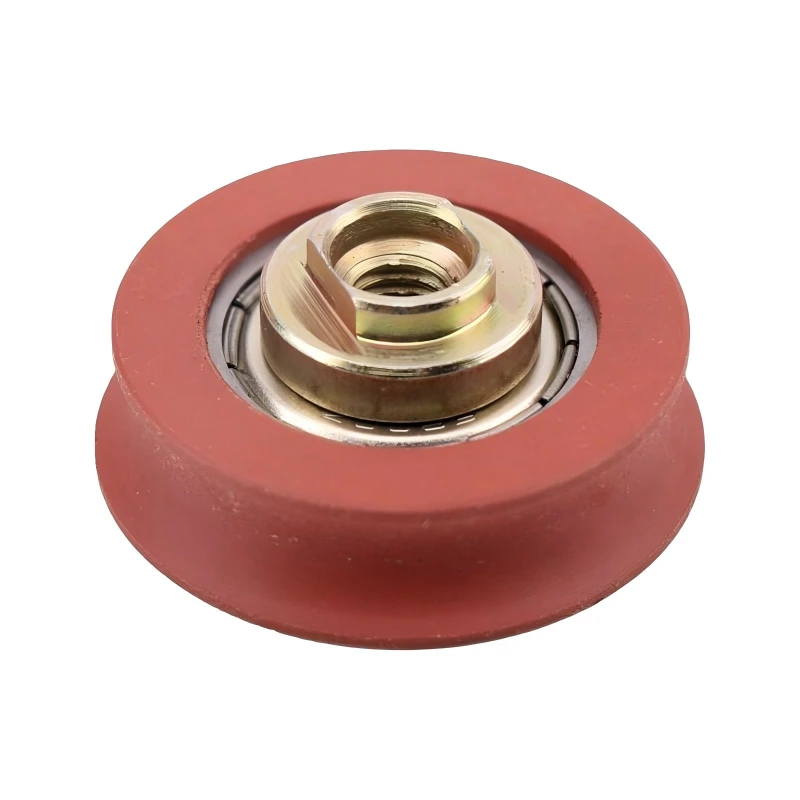
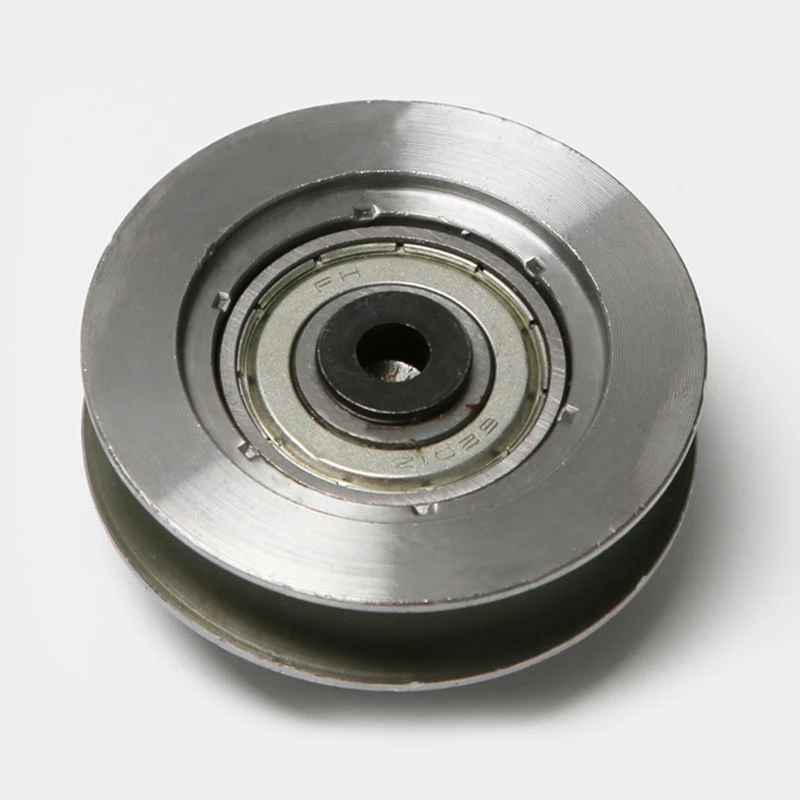
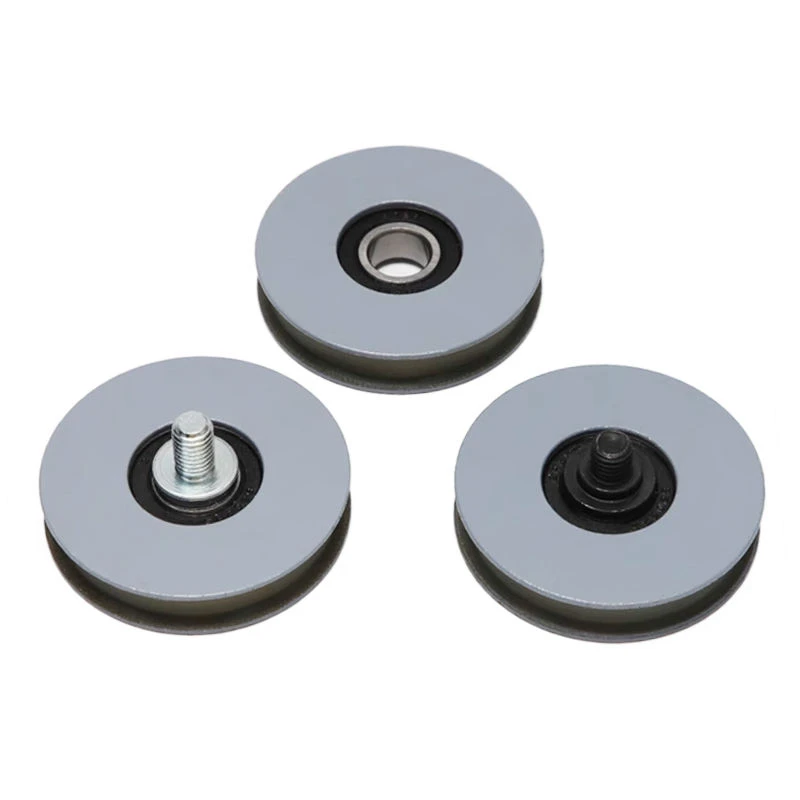
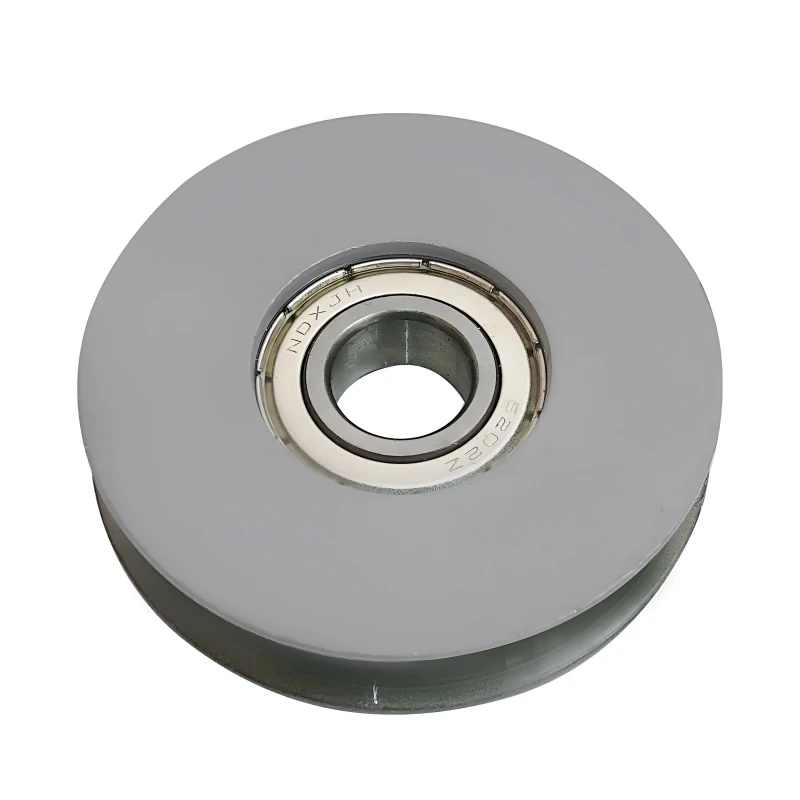
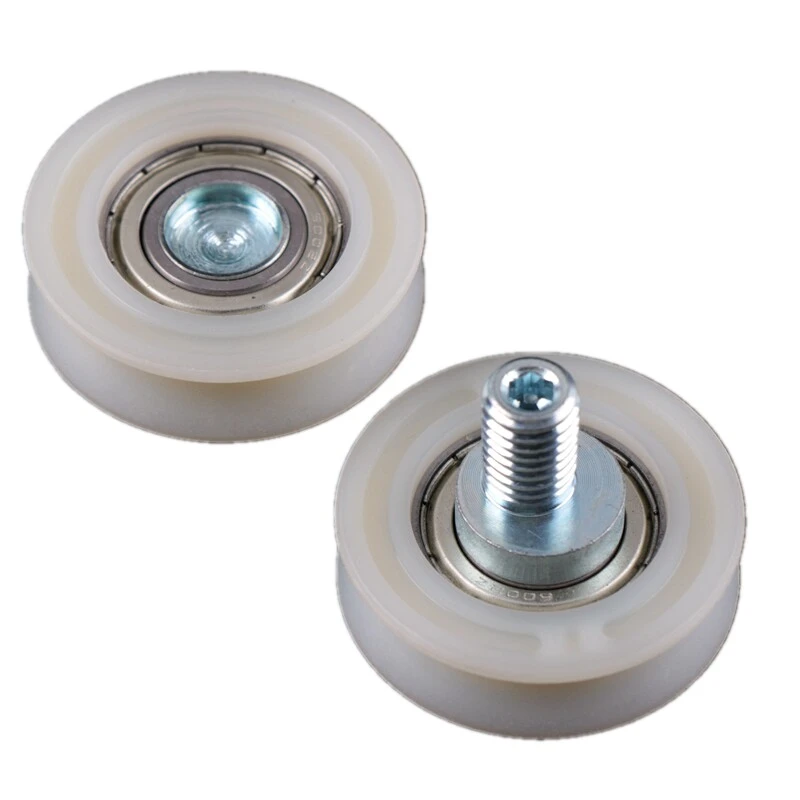
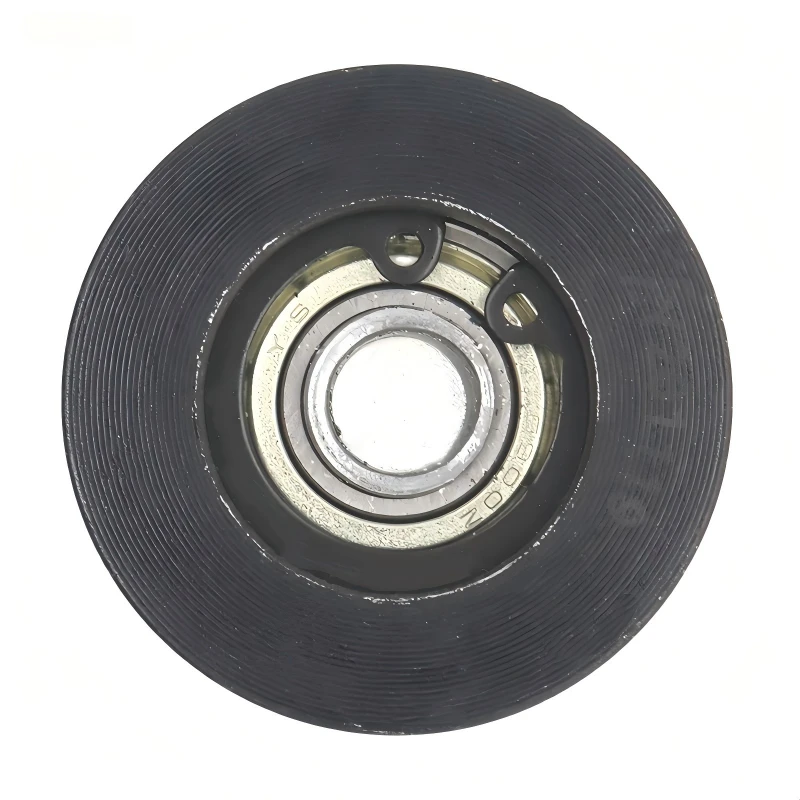
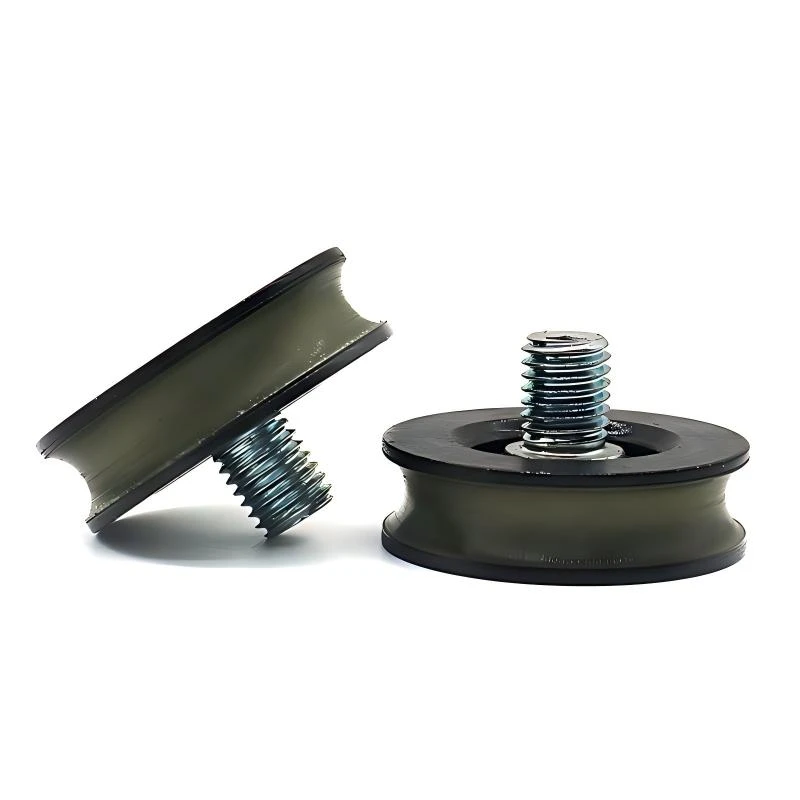
Elevator hanger rollers are used in sliding elevator door systems to support stable door movement and maintain smooth travel along the hanger track.
As part of the door hanger assembly, the rollers help carry door panel loads while reducing movement resistance during repeated opening and closing cycles.
In elevator operation, even small movement inconsistencies inside the hanger roller assembly may gradually affect door synchronization, opening accuracy, and long-term door system stability.
Door Movement Stability in Elevator Systems
Elevator doors operate through continuous opening and closing cycles every day.
The hanger roller assembly helps maintain controlled movement by supporting the door panels along the track and distributing movement loads more evenly during operation.
Stable roller performance helps reduce:
- Door vibration
- Sliding resistance
- Door skewing
- Irregular movement
- Noise during operation
- Repeated adjustment requirements
In high-traffic elevators, unstable roller movement may gradually increase stress on door operators, hanger assemblies, and locking components.
How Elevator Hanger Rollers Affect Door Alignment
Door alignment stability depends heavily on the interaction between:
- Hanger rollers
- Door tracks
- Door panels
- Door operators
- Coupler assemblies
- Landing door systems
If roller wear, dimensional deviation, or bearing instability develops over time, the elevator doors may begin to show:
- Uneven closing movement
- Door panel offset
- Increased operational resistance
- Inconsistent opening speed
- Abnormal vibration
- Door synchronization problems
Proper roller matching helps maintain smoother door coordination and reduces long-term operational instability.
Elevator Hanger Roller Materials and Structures
Different elevator systems may require different hanger roller configurations depending on:
- Door panel weight
- Opening frequency
- Operating environment
- Door system structure
- Modernization compatibility requirements
Common roller configurations may include:
- Nylon roller structures
- Polyurethane roller surfaces
- Metal bearing assemblies
- Adjustable mounting brackets
- Wear-resistant rolling surfaces
- Noise-reduction configurations
Stable dimensional control is important because repeated movement cycles can gradually amplify small alignment deviations inside the door system.
Common Elevator Door Roller Wear Problems
Elevator hanger rollers are commonly replaced during maintenance and modernization projects due to:
- Surface wear
- Bearing fatigue
- Roller deformation
- Track friction increase
- Door movement instability
- Increased operating noise
In aging elevator systems, hanger roller wear may also affect the performance of:
- Door vane assemblies
- Landing door locks
- Door operator systems
- Coupler mechanisms
For this reason, roller replacement is often performed together with door track inspection and overall door system adjustment.
Elevator Hanger Roller Replacement Considerations
When selecting replacement elevator hanger rollers, project teams normally evaluate:
- Existing track compatibility
- Roller dimensions
- Bearing structure
- Door load requirements
- Installation accessibility
- Long-term wear resistance
- Maintenance continuity
Proper replacement matching helps reduce installation adjustment time and supports more predictable long-term door operation.
Elevator Hanger Roller Supply Support
EKCNE supplies elevator hanger roller components for both new elevator systems and replacement spare parts requirements.
Applications include:
- OEM elevator systems
- Elevator modernization projects
- Elevator spare parts replacement
- Distributor procurement programs
- Export-oriented project supply
- Multi-category elevator component sourcing
Discuss your elevator hanger roller requirements with EKCNE.