Elevator Speed Governor Function in Elevator Systems
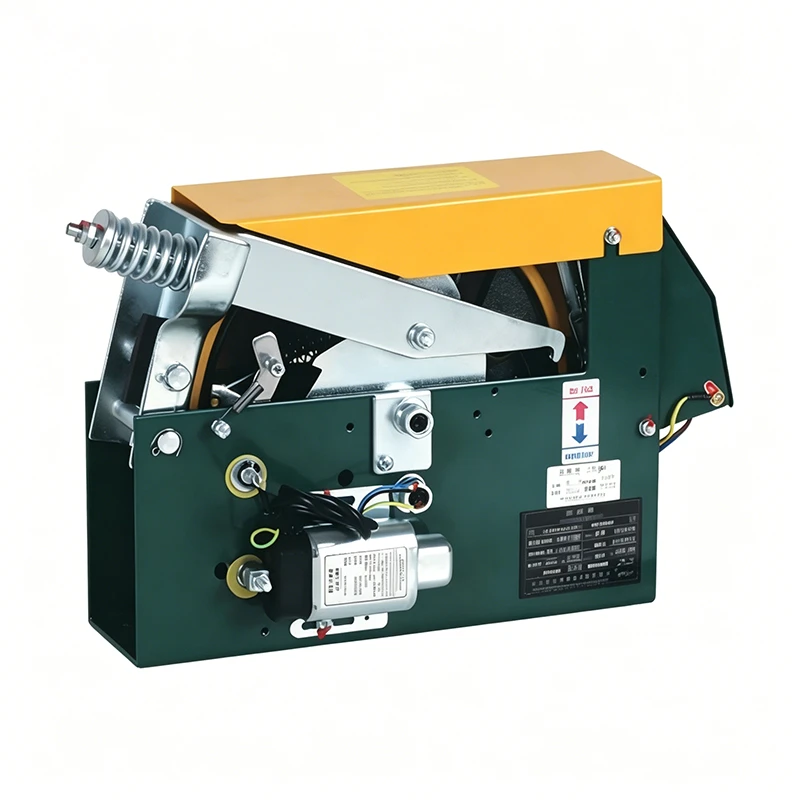
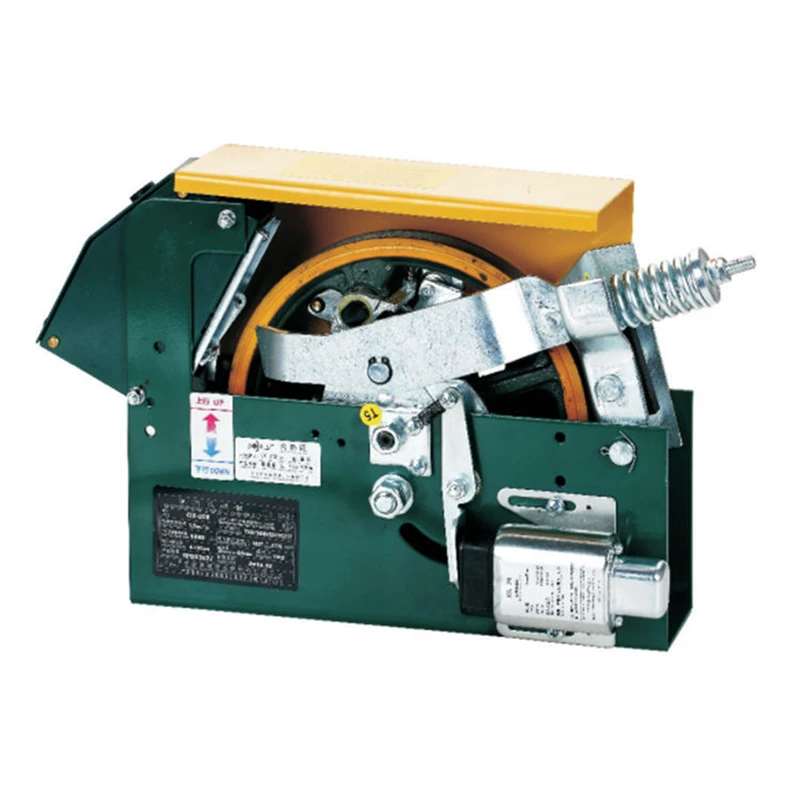
The speed governor is one of the most important safety devices in a traction elevator system.
Its function is not simply to detect speed. It also supports coordinated protection between mechanical and electrical elevator safety systems.
A complete governor system typically helps:
- Monitor elevator running speed
- Detect abnormal overspeed conditions
- Trigger safety gear operation
- Coordinate emergency stopping
- Support overspeed protection logic
- Maintain elevator operational safety
In modern elevator systems, governors are integrated into the overall safety protection architecture together with:
- Safety gears
- Governor ropes
- Tension devices
- Limit switches
- Electrical safety circuits
- Guide rail systems
How Elevator Speed Governors Work
During normal elevator operation, the governor wheel rotates synchronously with elevator movement through the governor rope system.
The governor rope tension device maintains stable rope contact and prevents slipping between the rope and governor wheel.
When elevator speed exceeds the preset threshold:
- The governor detects abnormal rotational speed
- Mechanical triggering action activates
- Governor rope linkage engages
- Safety gear mechanisms are activated
- Electrical safety circuits disconnect elevator operation
- The elevator is brought to a controlled stop along the guide rails
This coordinated protection logic is essential for maintaining safe elevator operation during abnormal conditions.
Main Types of Elevator Speed Governors
Friction Type Elevator Speed Governor
Friction governors operate through friction force between the governor rope and rope groove.
These systems are widely used because they provide:
- Stable operation
- Mature structural design
- Reliable overspeed monitoring
- Good system compatibility
- Consistent trigger response
Governor rope tension becomes especially important in friction governor systems because insufficient tension may reduce synchronization accuracy between the governor wheel and elevator movement.
Clamp Type Elevator Speed Governor
Clamp-type governors use rope clamping mechanisms during overspeed activation.
Compared with friction governors, clamp governors may provide:
- Stronger rope engagement
- More direct triggering action
- Stable mechanical holding force
- Enhanced triggering reliability under certain operating conditions
Different clamp governor structures may include:
- Wedge-type structures
- Roller-based mechanisms
- Dual-clamp assemblies
- Centrifugal trigger systems
Pendulum and Centrifugal Governor Structures
Elevator speed governors may also be classified according to trigger structure and operating principle.
Pendulum Governors
Pendulum-type governors use oscillation frequency and rotational behavior to trigger overspeed protection mechanisms.
Centrifugal Governors
Centrifugal governors use centrifugal force generated by rotational acceleration during overspeed conditions.
These structures are commonly divided into:
- Vertical-axis centrifugal governors
- Horizontal-axis centrifugal governors
Centrifugal governor systems are widely used in modern elevator applications because of their stable response characteristics and consistent triggering accuracy.
Elevator Governor Rope and Tension Devices
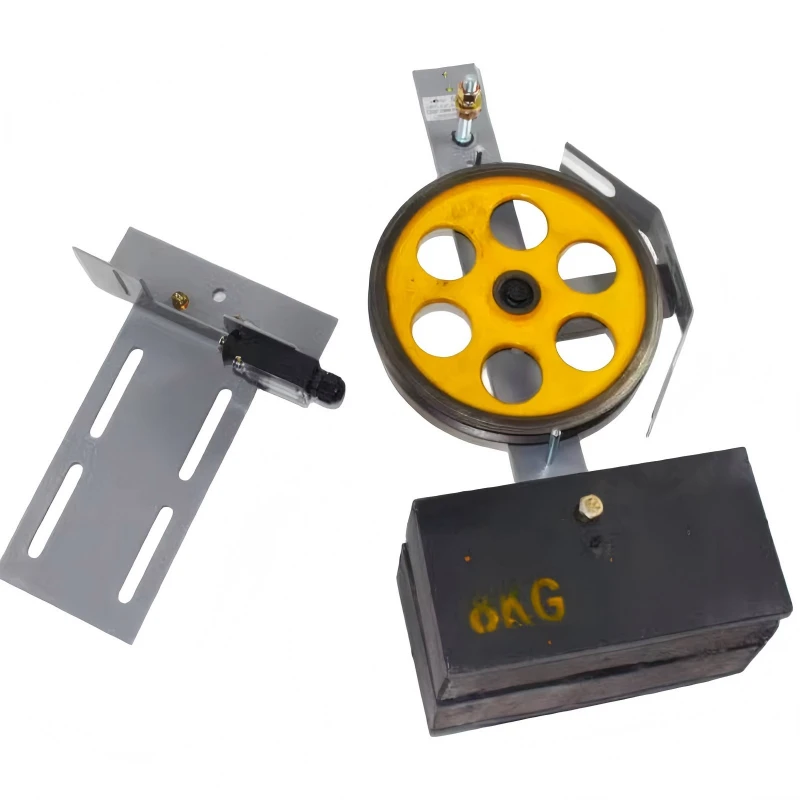
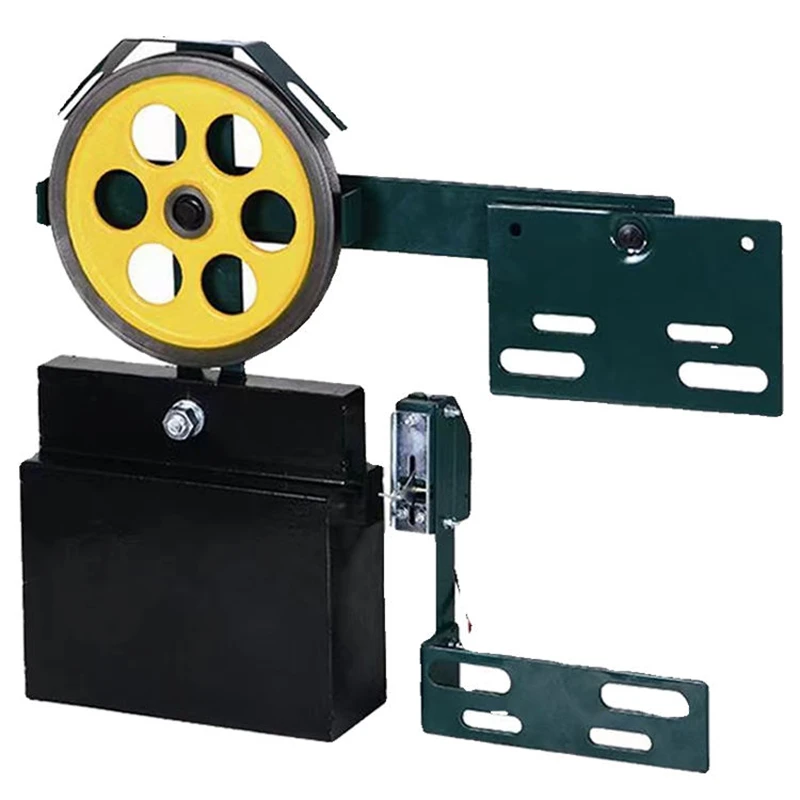
The governor rope tension system is critical for maintaining stable governor performance.
The tension device helps:
- Maintain stable governor rope tension
- Prevent rope slipping
- Ensure governor wheel synchronization
- Improve overspeed detection stability
- Support reliable governor triggering
Common governor tension structures include:
- Hanging tension devices
- Counterweight tension systems
- Spring-assisted tension mechanisms
Improper rope tension may affect governor monitoring accuracy and reduce system reliability during abnormal operating conditions.
Elevator Safety Gear Coordination
Elevator speed governors work directly with elevator safety gears.
When overspeed conditions occur:
- The governor activates mechanically
- Governor rope movement pulls the safety linkage
- Safety gear mechanisms engage the guide rails
- Electrical safety circuits stop the traction machine
- The elevator decelerates and stops safely
This coordinated operation between governor and safety gear forms one of the most important elevator overspeed protection systems.
Instantaneous and Progressive Safety Gear Systems
Different elevator governor systems may coordinate with different safety gear types.
Instantaneous Safety Gear
Instantaneous safety gears stop the elevator rapidly with short stopping distance.
These systems are commonly used in:
- Lower-speed elevators
- Smaller load applications
- Certain compact elevator systems
Progressive Safety Gear
Progressive safety gears increase braking force gradually during stopping.
Compared with instantaneous systems, progressive systems help:
- Reduce stopping impact
- Improve braking smoothness
- Reduce structural shock
- Support higher-speed elevator operation
Progressive safety gear systems are commonly used in medium-speed and high-speed elevators.
Governor selection must therefore match both elevator rated speed and safety gear structure.
Governor Electrical Safety Protection
Modern elevator speed governors also coordinate with electrical protection systems.
These systems may include:
- Overspeed electrical switches
- Governor monitoring circuits
- Tension monitoring switches
- Rope break detection
- Safety reset verification systems
- Terminal protection circuits
When governor activation occurs, electrical protection systems help disconnect elevator operation and prevent continued movement.
Overspeed and Terminal Protection Coordination
Elevator governors operate together with additional elevator protection devices, including:
- Forced deceleration switches
- Limit switches
- Final limit switches
- Buffer systems
- Terminal protection devices
These protection systems work together to reduce the risk of uncontrolled elevator movement near terminal positions.
In high-rise elevator systems, protection coordination becomes increasingly important because higher travel speeds and larger moving masses increase stopping requirements.
Elevator Speed Governor Selection Factors
Elevator speed governor selection depends on multiple engineering conditions.
Key considerations include:
- Elevator rated speed
- Load capacity
- Safety gear compatibility
- Governor rope structure
- Guide rail system matching
- Traction system compatibility
- Installation space conditions
- Modernization requirements
Improper governor selection may result in:
- Trigger instability
- Poor safety coordination
- Excessive component wear
- False activation
- Reduced operational reliability
For modernization projects, compatibility between governors, safety gears, traction systems, and electrical protection systems becomes especially important.
Elevator Speed Governors for Modernization Projects
Many elevator modernization projects require governor replacement because of:
- Aging mechanical wear
- Outdated safety standards
- Reduced monitoring accuracy
- Governor rope wear
- System compatibility upgrades
- Long-term operational reliability improvements
Modernization projects often involve coordinated replacement of:
- Governors
- Safety gears
- Governor ropes
- Tension devices
- Electrical monitoring systems
This helps improve long-term safety performance and maintenance stability across aging elevator systems.
FAQ
What does an elevator speed governor do?
An elevator speed governor monitors elevator running speed and activates the safety gear system when overspeed conditions occur. It helps stop the elevator safely during abnormal operation.
How does an elevator governor activate the safety gear?
When overspeed is detected, the governor mechanically locks and pulls the governor rope linkage, which activates the safety gear mounted on the elevator car or counterweight structure.
What is the difference between friction and clamp governors?
Friction governors rely on rope and wheel friction for triggering, while clamp governors use direct rope clamping mechanisms during activation. Both are used for elevator overspeed protection.
Why is governor rope tension important?
Proper governor rope tension maintains synchronization between elevator movement and governor wheel rotation. Insufficient tension may reduce overspeed detection accuracy and operational reliability.
Are speed governors required in traction elevators?
Yes. Elevator speed governors are essential safety components in traction elevator systems and work together with safety gears and electrical protection systems to prevent dangerous overspeed conditions.