Elevator Buffer Systems for Terminal Protection
Elevator buffers are installed inside the pit area and operate as the final mechanical protection device when abnormal elevator travel conditions occur.
Under normal operating conditions, the elevator car and counterweight never contact the buffer system. The buffer becomes active only when the elevator exceeds its designed terminal stopping zone.
Typical situations include:
- Brake failure conditions
- Overspeed movement
- Rope slipping or traction loss
- Terminal overtravel
- Controller malfunction
- Emergency testing or maintenance scenarios
When the moving elevator car or counterweight impacts the buffer, the system absorbs and dissipates kinetic energy to reduce stopping shock and protect the elevator structure.
This terminal protection mechanism helps reduce:
- Pit impact force
- Structural shock loading
- Guide rail stress
- Passenger injury risk
- Equipment damage during abnormal stopping events
Types of Elevator Buffers
Hydraulic Elevator Buffers
Hydraulic elevator buffers are widely used in medium-speed and high-speed elevator systems where controlled deceleration performance is required.
These buffers absorb movement energy through hydraulic oil damping. During compression, the piston forces hydraulic oil through internal flow channels, converting kinetic energy into heat dissipation while reducing rebound effects.
Compared with spring-type systems, hydraulic elevator buffers provide:
- Smoother deceleration
- Better energy dissipation
- Reduced rebound shock
- Higher energy absorption capability
- More stable stopping performance
Hydraulic elevator buffers are commonly used for:
EKCNE supports multiple hydraulic elevator buffer configurations with different stroke lengths, load capacities, mounting structures, and pit installation requirements.
Spring Elevator Buffers
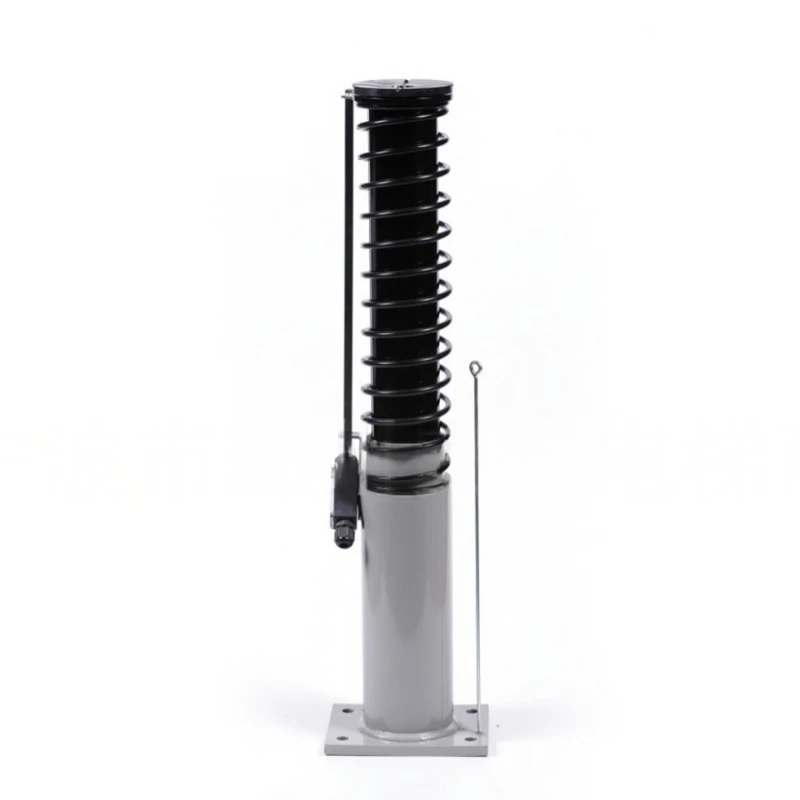
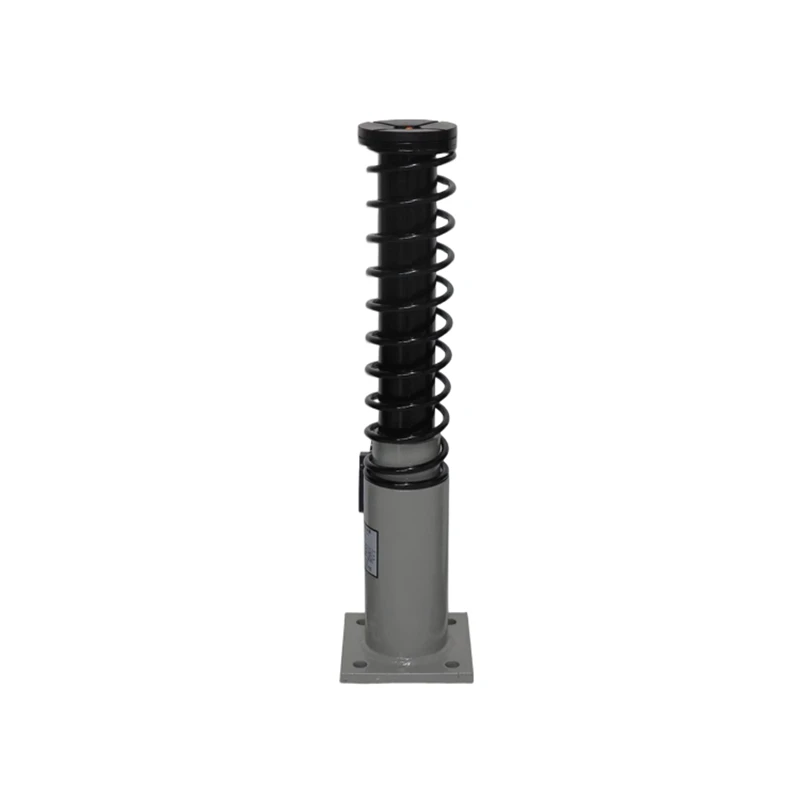
Spring elevator buffers temporarily absorb impact energy through elastic compression during abnormal stopping conditions.
These buffers are generally used in lower-speed elevator systems where simpler mechanical terminal protection is sufficient.
During compression, the spring converts movement energy into elastic deformation energy to reduce direct impact force between the elevator car and pit structure.
Spring elevator buffers are commonly used for:
Their advantages include:
- Simple structure
- Compact installation
- Lower maintenance requirements
- Stable mechanical operation
- Cost-effective replacement
EKCNE supplies spring elevator buffers with different spring arrangements and mounting structures according to elevator load and travel conditions.
Polyurethane Elevator Buffers
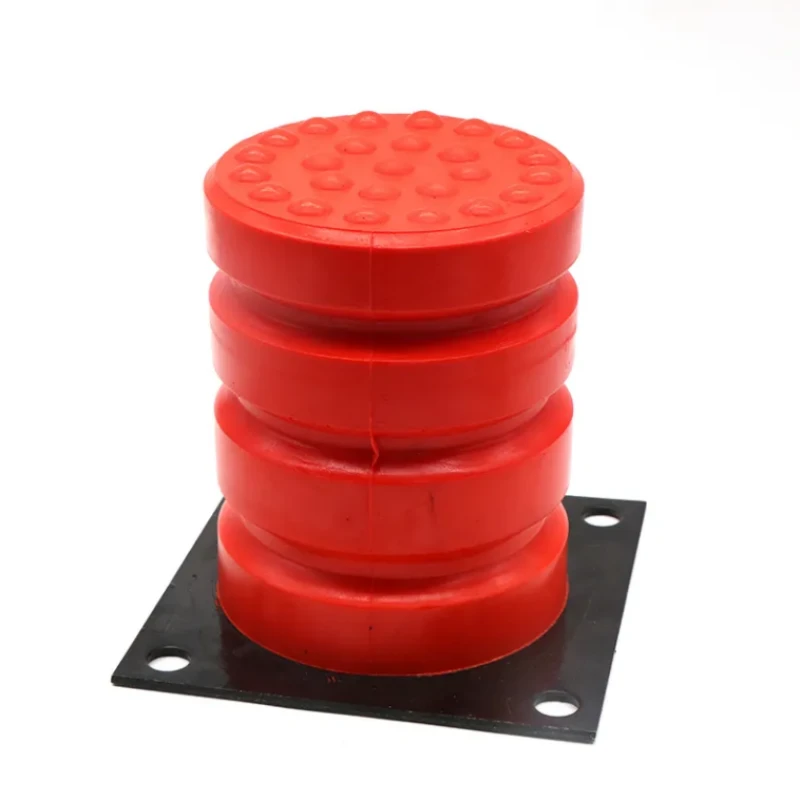
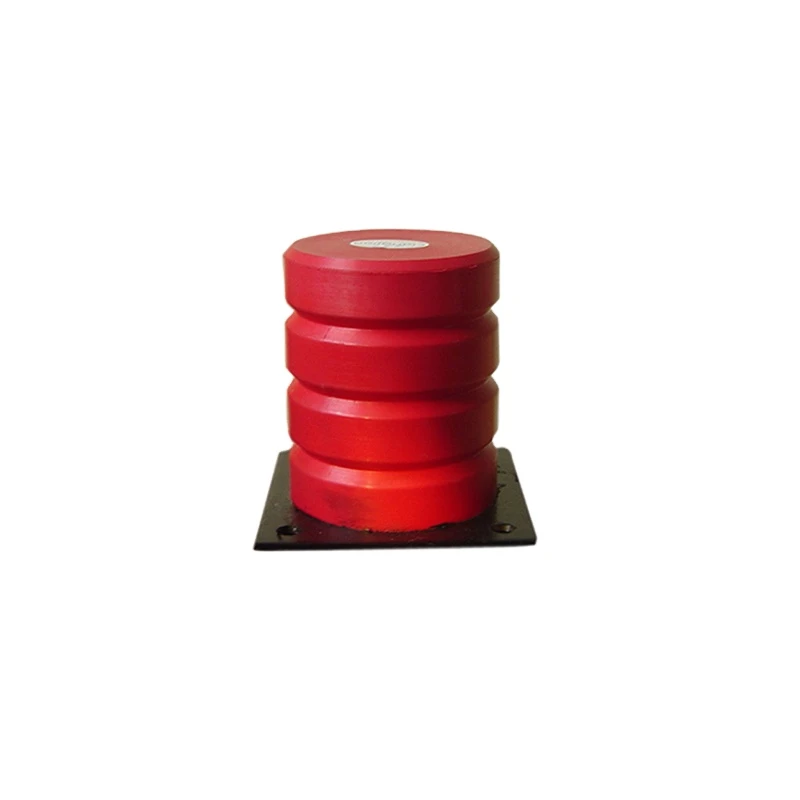
Polyurethane elevator buffers are non-linear energy absorption devices designed to reduce impact force through material deformation characteristics.
These buffers are often selected for compact elevator systems where low maintenance and simplified installation are required.
Compared with traditional spring buffers, polyurethane buffers can reduce rebound effects while maintaining relatively simple structural requirements.
They are commonly used in:
- Compact elevator systems
- Residential applications
- Platform lifts
- Light-duty modernization projects
How Elevator Buffers Absorb Impact Energy
Elevator buffers function as part of the complete elevator safety protection system.
When the elevator exceeds its normal terminal travel zone, the moving car or counterweight contacts the buffer unit installed inside the pit.
Depending on the buffer type, movement energy is either:
- Stored temporarily through elastic compression
- Dissipated through hydraulic damping resistance
- Absorbed through material deformation
Hydraulic buffers slow the elevator through controlled oil flow resistance, while spring buffers rely on elastic force to reduce impact.
This energy absorption process helps:
- Reduce terminal stopping shock
- Protect elevator equipment
- Improve emergency stopping safety
- Reduce pit structure damage
- Improve system reliability during abnormal conditions
For medium-speed and high-speed elevator systems, hydraulic buffers are typically preferred because they provide more predictable deceleration performance and better rebound control.
Elevator Buffer Selection Based on Operating Conditions
Elevator buffer selection depends on multiple engineering and installation factors rather than only elevator size.
Important considerations include:
- Rated elevator speed
- Elevator load capacity
- Car and counterweight mass
- Travel height
- Pit dimensions
- Buffer stroke requirements
- Terminal stopping distance
- Safety code requirements
- Modernization compatibility
Different elevator systems require different energy absorption characteristics.
For example:
| Elevator Application |
Common Buffer Type |
| Residential Elevators |
Spring Buffer |
| Low-Speed Passenger Elevators |
Spring Buffer |
| Commercial Passenger Elevators |
Hydraulic Buffer |
| Freight Elevators |
Heavy-Duty Hydraulic Buffer |
| High-Speed Elevators |
Oil Hydraulic Buffer |
| Modernization Projects |
Compact Hydraulic Buffer |
EKCNE supports coordinated buffer matching according to elevator operating conditions, installation space limitations, and safety system integration requirements.
Elevator Buffers for Different Elevator Systems
Passenger Elevators
Passenger elevator systems require stable and predictable terminal stopping performance to improve passenger safety and reduce emergency stopping shock.
Freight Elevators
Freight elevators involve higher moving masses and heavier load conditions, requiring stronger energy absorption capability and more durable buffer structures.
High-Speed Elevators
High-speed elevators typically require hydraulic buffer systems capable of controlled deceleration and larger energy dissipation capacity during abnormal stopping conditions.
Modernization Projects
Older elevator systems may require buffer replacement during safety upgrades, controller modernization, or pit reconstruction projects.
EKCNE supports modernization-compatible elevator buffer solutions for retrofit and replacement applications.
Elevator Buffer Manufacturing and OEM Supply
EKCNE supports elevator safety component manufacturing and coordinated supply for global elevator projects.
As an elevator buffer manufacturer and elevator safety component supplier, we support:
- Hydraulic elevator buffer production
- Spring elevator buffer manufacturing
- Elevator terminal protection systems
- OEM component supply
- Elevator modernization support
- Commercial project coordination
- Stable batch manufacturing
- International export supply
Rather than focusing only on standalone buffer units, EKCNE supports coordinated elevator safety system integration for long-term operational compatibility.
FAQ
What is an elevator buffer?
An elevator buffer is a terminal safety device installed in the elevator pit to absorb impact energy when the elevator car or counterweight travels beyond its normal stopping position.
What is the difference between hydraulic and spring elevator buffers?
Spring buffers absorb energy through elastic compression and are commonly used in lower-speed elevators. Hydraulic buffers dissipate energy through oil damping and are generally used in medium-speed and high-speed elevator systems.
Where are elevator buffers installed?
Elevator buffers are typically installed inside the elevator pit beneath the elevator car or counterweight terminal travel area.
Why are hydraulic buffers preferred for high-speed elevators?
Hydraulic buffers provide smoother deceleration, stronger energy dissipation capability, and better rebound control during abnormal stopping conditions in higher-speed elevator systems.
Can elevator buffers be replaced during elevator modernization?
Yes. Elevator buffers are commonly replaced during modernization projects to improve terminal safety compatibility, support updated operating conditions, and meet current safety requirements.