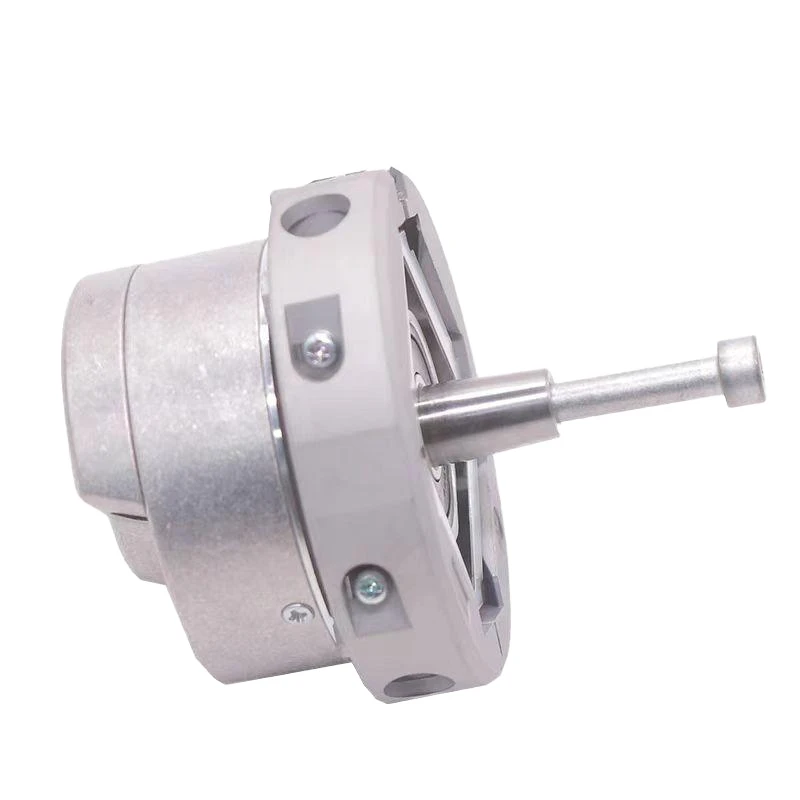
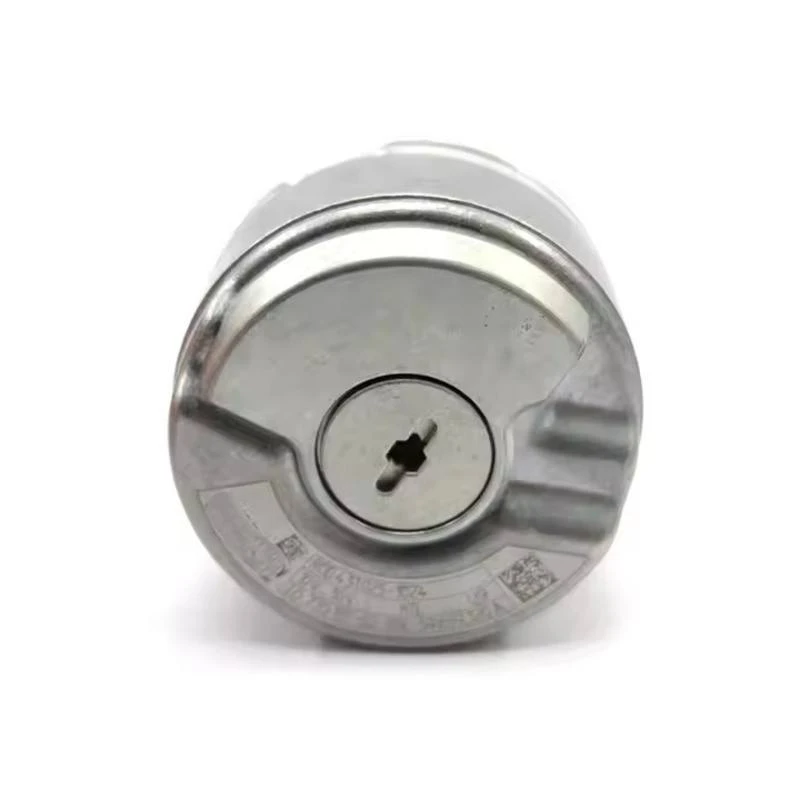
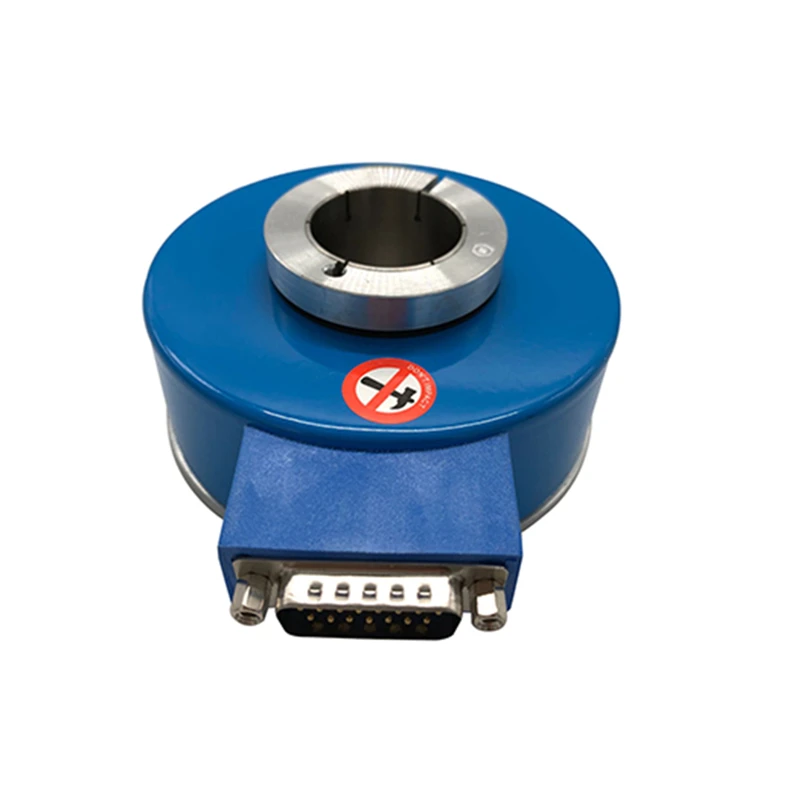
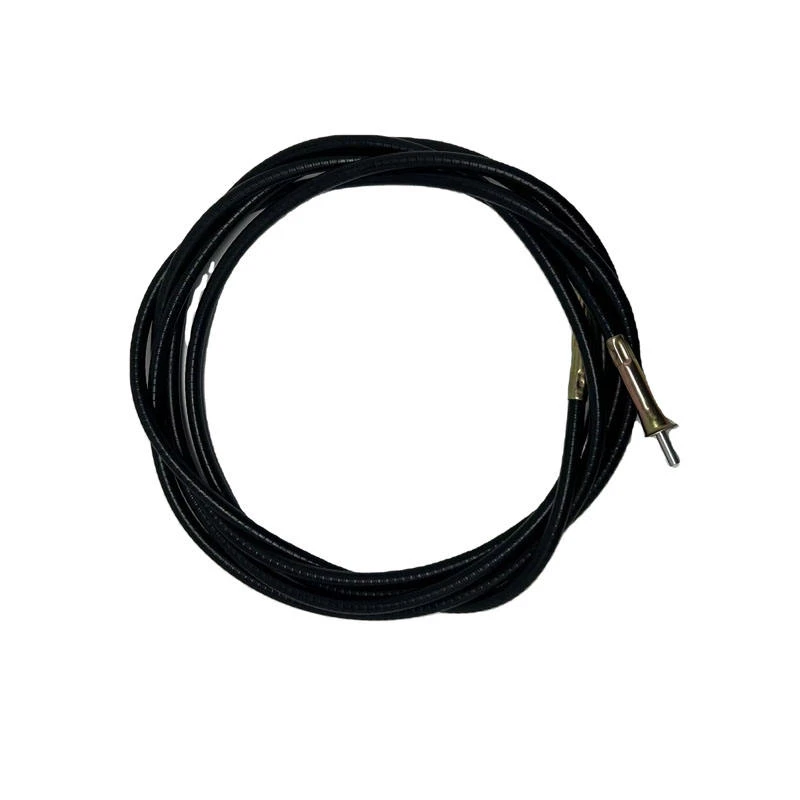
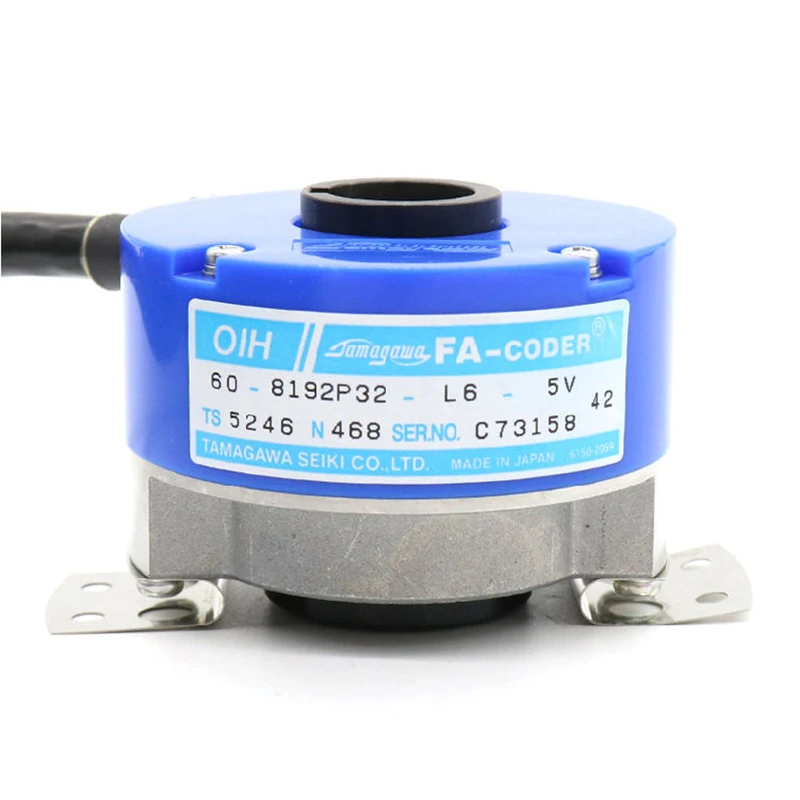
Elevator Encoder Applications in Elevator Systems
Elevator encoders are widely used in:
- Traction machine speed feedback
- VVVF elevator drive systems
- Elevator leveling control
- PLC-based elevator control systems
- Door zone positioning
- Motor rotational monitoring
- Elevator modernization projects
- High-rise elevator motion synchronization
In VVVF elevator systems, encoder signals allow the inverter to continuously adjust motor speed and maintain stable acceleration and deceleration curves.
This helps improve:
- Riding comfort
- Floor leveling precision
- Low-speed stability
- Starting smoothness
- Stopping accuracy
- Operational consistency
Elevator Encoder Types
Different elevator systems may use different encoder technologies depending on drive architecture, positioning requirements, and control logic.
Incremental Elevator Encoder
Incremental encoders convert rotational movement into pulse signals.
The control system calculates elevator movement distance and speed based on pulse count changes during operation.
These encoders are commonly used in:
Absolute Elevator Encoder
Absolute encoders provide fixed positional data for each rotational position.
Unlike incremental systems, absolute encoders maintain positional reference even after power interruption, helping improve positioning stability and system recovery efficiency.
These encoders are often used in:
- High-precision elevator systems
- High-rise elevators
- Advanced leveling systems
- Intelligent elevator control applications
How Elevator Encoders Improve Elevator Performance
Modern elevator control systems rely heavily on stable motion feedback.
The encoder continuously transmits pulse or position signals to the control system, allowing the inverter and PLC controller to adjust motor operation in real time.
This coordination helps optimize:
Elevator Leveling Accuracy
Accurate encoder feedback helps reduce floor leveling deviation during passenger loading and unloading.
Stable leveling performance is especially important in:
Motion Stability During Acceleration and Deceleration
Encoder feedback allows the inverter to control acceleration and deceleration curves more precisely.
This helps reduce:
- Sudden starting impact
- Abrupt stopping
- Speed fluctuation
- Mechanical vibration
Elevator Safety Monitoring
Encoder signals are also involved in:
- Overspeed monitoring
- Door zone recognition
- Position correction
- Motion synchronization
- Safety control logic
In many modern elevator systems, encoder feedback is integrated directly into PLC and inverter communication architecture for continuous operational monitoring.
Elevator Encoder Compatibility With VVVF Drive Systems
Most modern elevators use VVVF drive technology to achieve smooth speed regulation.
Encoder feedback is essential for maintaining synchronization between:
- Traction machine rotation
- Inverter output frequency
- Motor speed control
- Elevator movement logic
The inverter continuously adjusts output voltage and frequency according to encoder feedback signals.
This allows the elevator to maintain stable speed control under different operating loads and travel conditions.
Proper encoder compatibility is important for:
- Signal stability
- Feedback accuracy
- System response speed
- Drive synchronization
- Long-term operational reliability
Elevator Encoder Solutions for Modernization Projects
Many older elevators experience:
- Leveling inaccuracy
- Signal instability
- Speed fluctuation
- Door zone errors
- Unstable stopping behavior
In modernization projects, replacing aging elevator encoders can help improve overall system response and control precision without replacing the complete elevator system.
Encoder upgrades are commonly used together with:
- VVVF drive upgrades
- PLC control modernization
- Traction machine replacement
- Elevator control cabinet upgrades
Elevator Encoder Manufacturing and Quality Control
Encoder reliability depends heavily on signal stability, rotational consistency, and long-term operational durability.
EKCNE supports elevator encoder manufacturing and supply for different elevator control architectures and drive configurations.
Production and inspection follow standardized testing procedures to help maintain:
- Stable pulse transmission
- Accurate rotational feedback
- Consistent signal output
- Drive system compatibility
- Reliable long-term operation
Our team understands how encoder performance affects overall elevator control behavior rather than isolated component operation alone.
FAQ
What does an elevator encoder do?
An elevator encoder measures motor rotation and converts movement into electrical signals used by the elevator control system. These signals help regulate speed, positioning, leveling accuracy, and motion synchronization during elevator operation.
What is the difference between incremental and absolute elevator encoders?
Incremental encoders generate pulse signals based on movement changes, while absolute encoders provide fixed positional information for every rotational position. Absolute encoders can maintain position reference after power interruption.
Why is encoder feedback important in VVVF elevators?
VVVF elevator systems rely on encoder feedback to adjust motor speed continuously. Stable encoder signals help improve acceleration smoothness, leveling precision, and motion stability during elevator travel.
Can a faulty elevator encoder affect leveling accuracy?
Yes. Encoder signal instability may cause leveling deviation, inaccurate stopping position, speed fluctuation, or abnormal motion feedback inside the elevator control system.
Are elevator encoders used in modernization projects?
Yes. Elevator encoders are commonly replaced during modernization projects to improve motion feedback accuracy, inverter synchronization, and overall elevator operational stability.