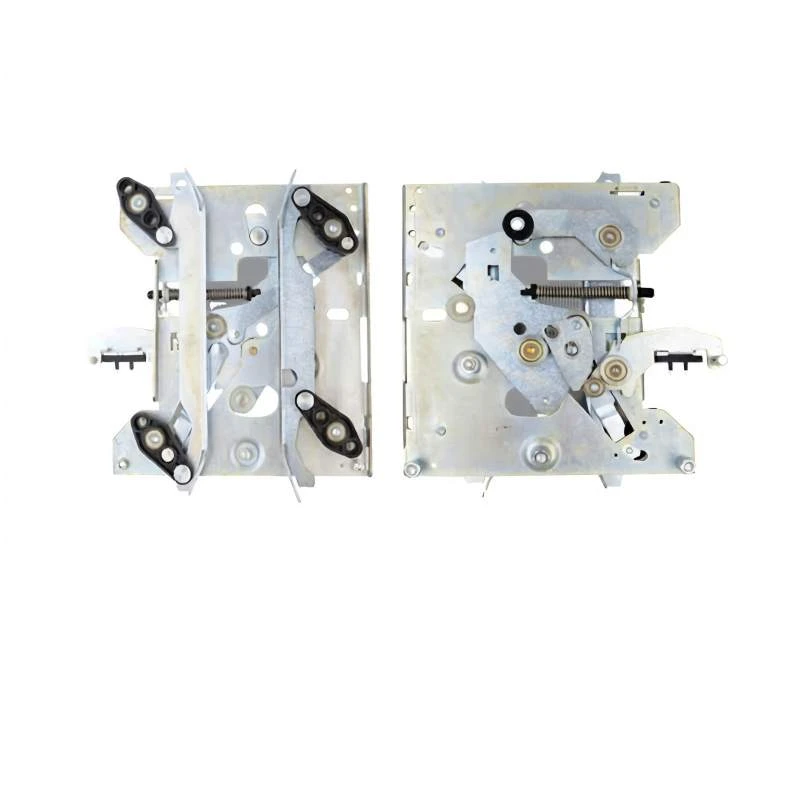
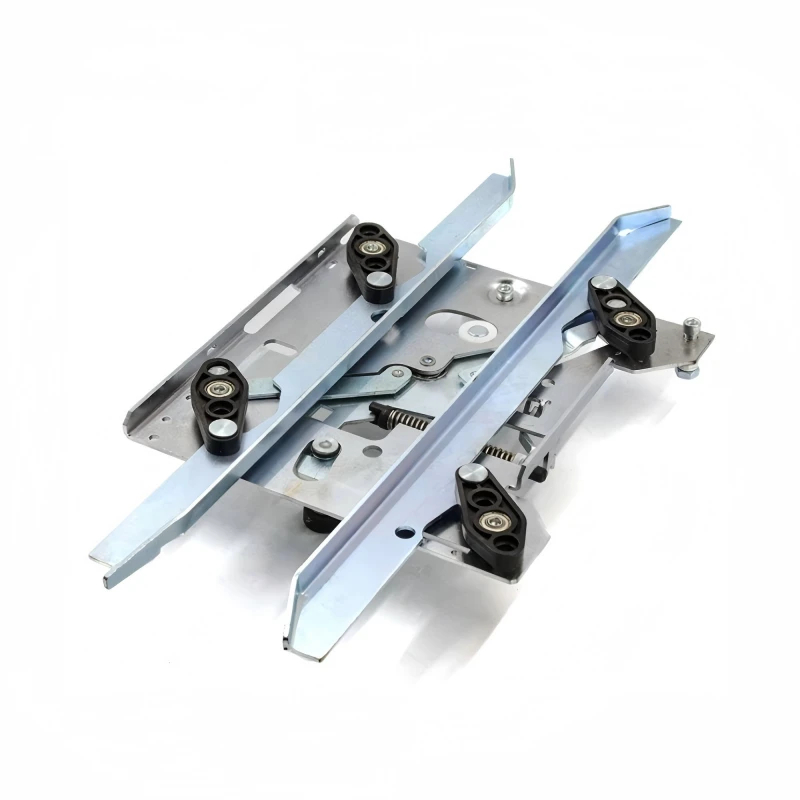
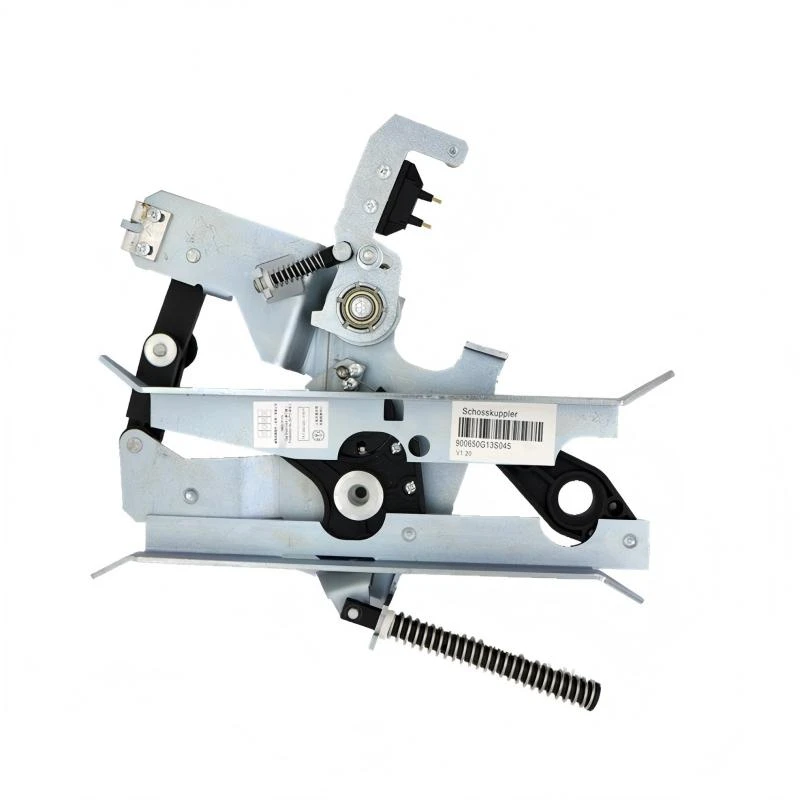
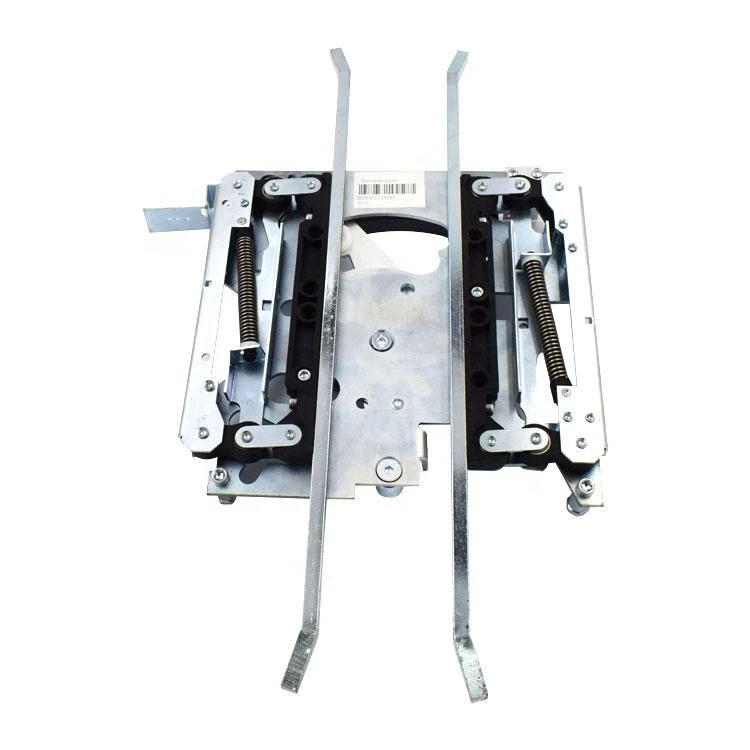
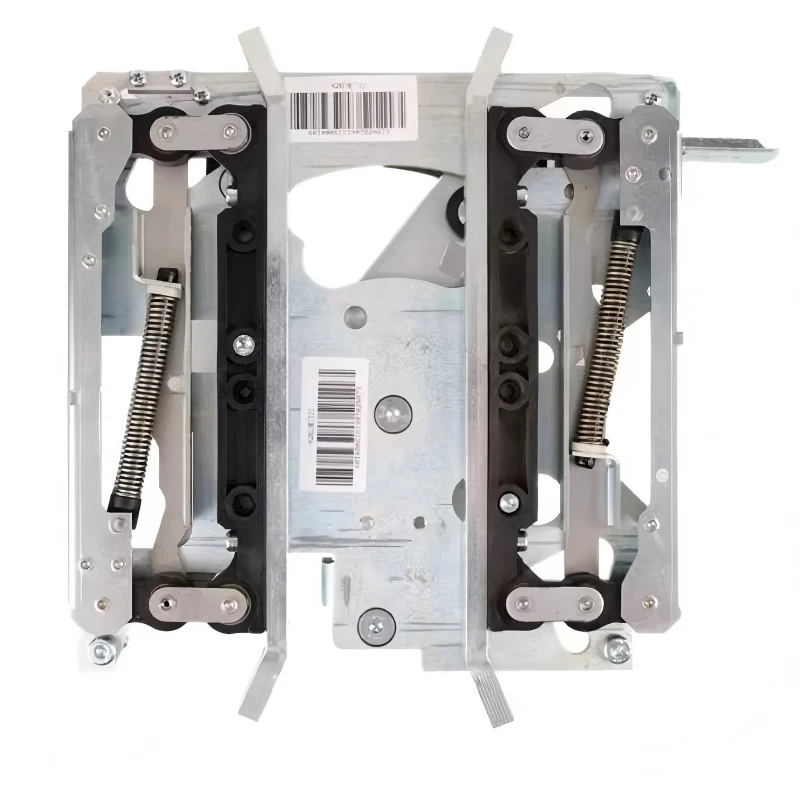
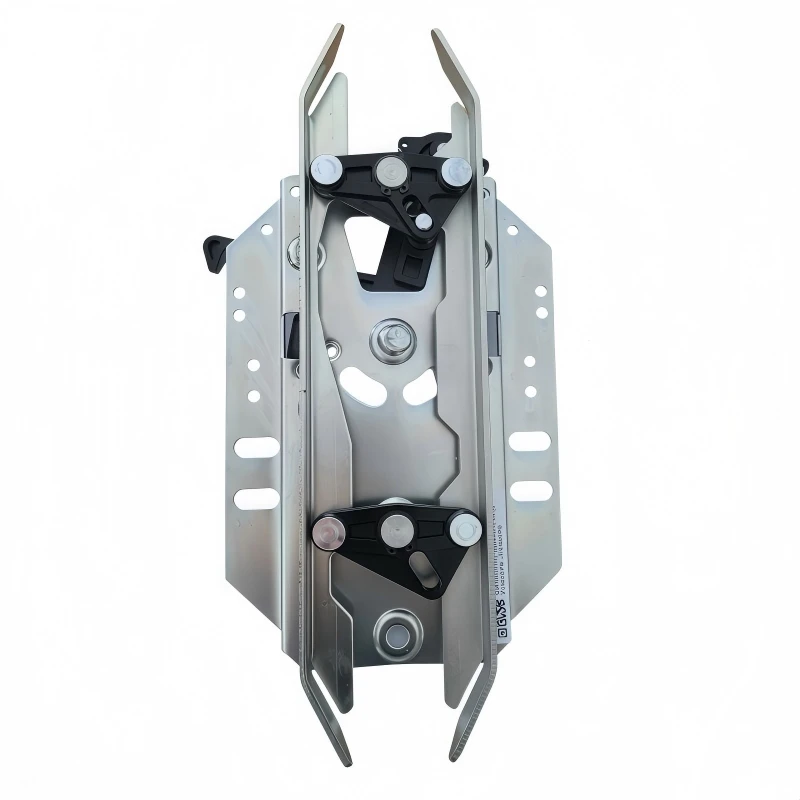
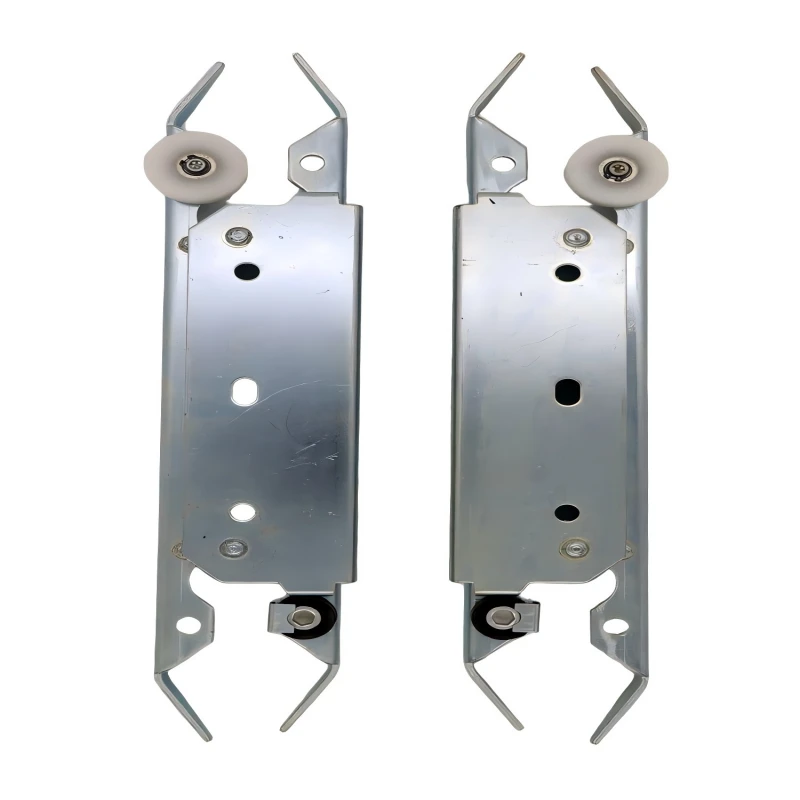
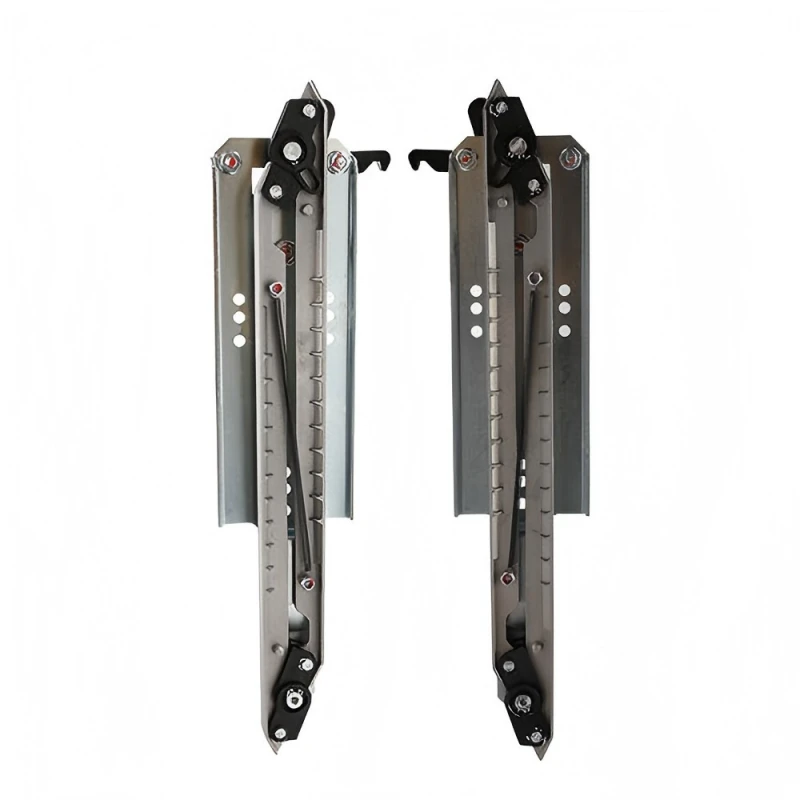
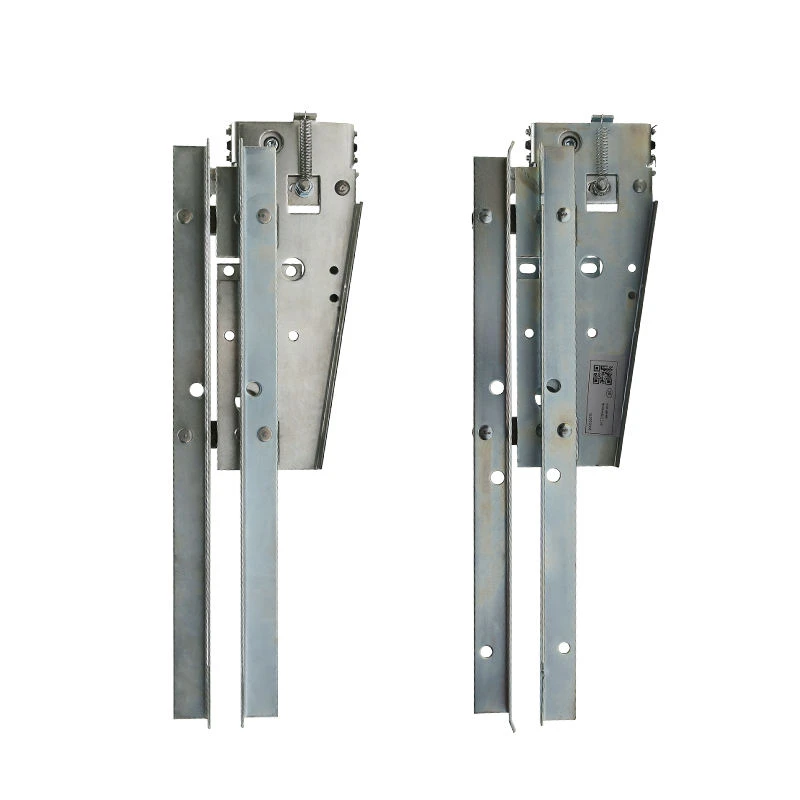
Elevator door vane components are used in elevator door systems to coordinate unlocking movement between the car door and landing door lock mechanism.
As part of the door coupler assembly, the door vane helps ensure that landing doors can only be unlocked and opened when the elevator car reaches the permitted landing zone.
In automatic sliding door systems, the vane engages the landing door lock rollers or unlocking mechanism during door opening and closing movement. Proper engagement accuracy is important for maintaining stable door synchronization, reliable unlocking action, and consistent elevator safety sequencing.
Door vane performance directly affects:
- Door unlocking coordination
- Landing door synchronization
- Lock engagement stability
- Elevator safety operation
- Door opening accuracy
- Long-term maintenance consistency
Elevator Door Vane Applications
Elevator door vane assemblies are commonly used in:
Different elevator systems may require different vane structures depending on:
- Center-opening or side-opening doors
- Door operator arrangement
- Landing door lock structure
- Door coupler configuration
- Entrance dimensions
- Existing modernization conditions
Elevator Door Vane Operating Logic
In many elevator systems, the door vane operates together with the car door coupler to activate the landing door unlocking sequence.
When the elevator reaches the unlocking zone, the vane engages the lock rollers or unlocking mechanism so the landing doors can open together with the car door. During door closing, the vane movement also helps coordinate proper lock engagement before elevator travel resumes.
Accurate positioning is important because unstable vane movement or improper engagement may lead to:
- Door unlocking failure
- Door synchronization deviation
- Lock engagement instability
- Repeated adjustment requirements
- Increased mechanical wear
- Irregular door operation
Proper coordination between the vane assembly, landing door lock, and electrical safety system helps maintain safe elevator operation under repeated opening and closing cycles.
Elevator Door Vane Structure and Compatibility
Depending on elevator system requirements, door vane assemblies may include:
- Mechanical coupler vanes
- Adjustable vane structures
- Lock roller engagement components
- Mounting brackets
- Wear-resistant metal assemblies
- Modernization-compatible configurations
Stable interaction between the door vane and related components is important for maintaining smooth opening and unlocking movement.
Component matching normally involves coordination with:
- Landing door lock systems
- Car door hangers
- Door operators
- Unlocking mechanisms
- Electrical safety contacts
- Door coupling assemblies
Proper compatibility helps reduce installation adjustment time and supports more stable long-term operation.
Elevator Door Vane Replacement and Modernization
Door vane components are commonly replaced during elevator modernization and maintenance programs due to:
- Mechanical wear
- Positioning deviation
- Repeated impact fatigue
- Aging entrance systems
- Door coordination problems
- Lock engagement inconsistency
For aging elevator systems, replacement vane assemblies are often evaluated together with landing door lock upgrades and door operator adjustments to improve operational consistency and reduce maintenance interruptions.
Typical replacement considerations include:
- Existing system compatibility
- Vane dimensions and mounting structure
- Lock mechanism coordination
- Door operator compatibility
- Maintenance accessibility
- Spare parts continuity
- Modernization integration requirements
Elevator Door Vane Supply Support
EKCNE supplies elevator door vane components for both new elevator systems and replacement spare parts requirements.
We support:
- OEM elevator component supply
- Elevator spare parts sourcing
- Elevator modernization support
- Distributor procurement programs
- Export-oriented project supply
- Multi-category elevator component integration
- Long-term replacement continuity
Discuss your elevator door vane project or replacement requirements with EKCNE.