Escalator Step Systems and Passenger Transportation Structure
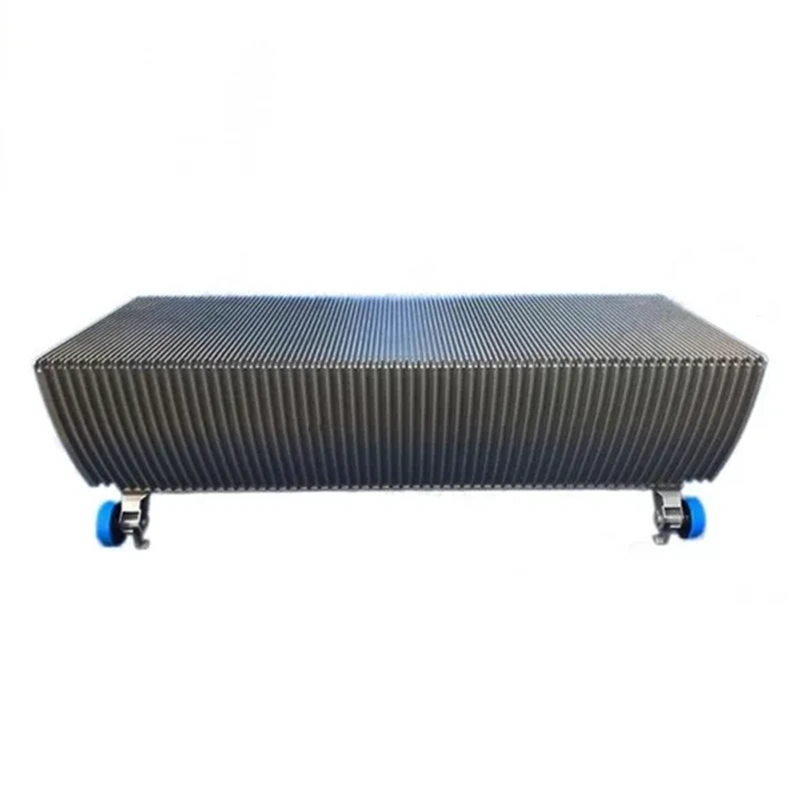
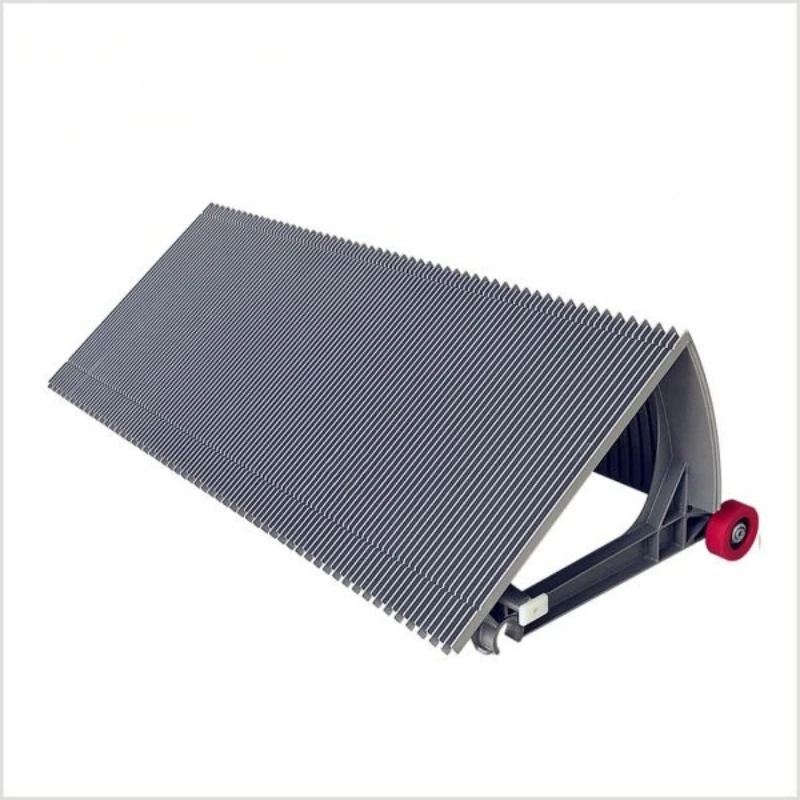
Escalator steps are the primary passenger-carrying components within escalator transportation systems.
The complete escalator running system typically includes:
During operation, the drive system moves the step chain continuously along the guide rail structure, allowing escalator steps to circulate in a stable transportation cycle.
The operational coordination between the step system, chain system, and guide rails directly affects:
- Passenger comfort
- Noise levels
- Running stability
- Vibration control
- Maintenance frequency
- Long-term operational reliability
Escalator Step Structure and Main Components
Escalator steps are designed as load-bearing transportation components capable of supporting continuous passenger traffic under long-term operating conditions.
A typical escalator step assembly may include:
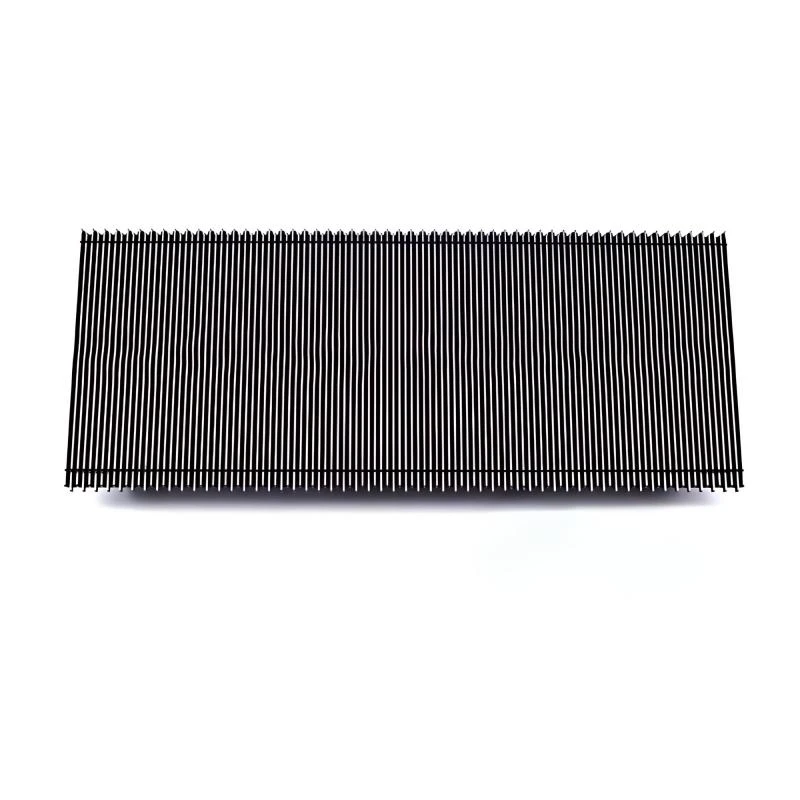
- Step tread surface
- Riser section
- Structural support frame
- Step rollers
- Axle structures
- Step chain connection interfaces
- Demarcation edges
- Anti-slip surface structures
Escalator steps are installed onto the step chain system and circulate along the escalator guide rail structure during operation.
The structural precision between the step and guide system directly affects operational smoothness and passenger transition stability.
Escalator Step Materials and Structural Configurations
Escalator steps are commonly manufactured using:
- Aluminum alloy
- Stainless steel
- Reinforced structural alloys
Different materials are selected based on:
- Passenger traffic volume
- Environmental conditions
- Corrosion exposure
- Cleaning requirements
- Transportation infrastructure standards
- Commercial building specifications
Aluminum Escalator Steps
Commonly used in commercial buildings and standard public escalator systems.
Advantages include:
- Reduced system weight
- Good corrosion resistance
- Stable dimensional consistency
- Efficient long-term operation
Stainless Steel Escalator Steps
Frequently used in transportation infrastructure and heavy-duty environments.
Advantages include:
- Higher wear resistance
- Improved durability
- Stronger corrosion resistance
- Better performance under continuous high passenger traffic
Escalator Step Demarcation and Passenger Guidance
Escalator step demarcation lines are important passenger guidance structures used to improve visibility and support safer passenger movement.
Demarcation areas are commonly positioned along the step edges and may use:
- Yellow safety markings
- Integrated polymer inserts
- High-visibility structural edging
- Wear-resistant safety coatings
These visual guidance structures help improve passenger awareness during entry, transportation, and exit transitions.
In public transportation environments with heavy traffic flow, step visibility plays an important role in operational safety and passenger guidance efficiency.
Escalator Step Roller and Guide Rail Coordination
Escalator steps operate together with step rollers and guide rail systems.
The guide rail system controls:
- Step movement path
- Circulation stability
- Passenger-level alignment
- Transition positioning
- Return path coordination
The step roller system directly affects:
- Noise performance
- Vibration control
- Running smoothness
- Operational wear
- Long-term maintenance stability
Poor dimensional control between the step, roller, and guide systems may result in:
- Uneven movement
- Abnormal vibration
- Increased operational noise
- Step deviation
- Accelerated wear
Because of this, machining consistency and assembly precision are critical for escalator step manufacturing.
Escalator Step Load Performance and Operational Requirements
Escalator steps are continuously subjected to dynamic operational loads during passenger transportation.
Long-term operation requires attention to:
- Structural rigidity
- Fatigue resistance
- Surface wear resistance
- Impact resistance
- Stable chain integration
- Consistent dimensional accuracy
Public transportation escalators operating under continuous passenger flow generally require higher durability standards and more stable structural performance.
Escalator step systems must also maintain compatibility with:
- Step chains
- Rollers
- Guide rails
- Comb plates
- Escalator drive systems
Escalator Step Applications
Escalator steps are widely used across:
- Shopping malls
- Airports
- Metro systems
- Railway stations
- Hotels
- Office buildings
- Commercial complexes
- Public transportation infrastructure
Different environments require different:
- Surface structures
- Material grades
- Anti-slip designs
- Wear resistance levels
- Load capacities
- Corrosion resistance performance
Transportation infrastructure projects generally require stronger long-term operational durability and maintenance stability.
Escalator Step Replacement and Modernization Support
Escalator steps are important operational and safety-related moving components that require periodic inspection and replacement during long-term operation.
EKCNE supports escalator step replacement and modernization projects for:
- Existing escalator systems
- Commercial building renovations
- Transportation infrastructure upgrades
- OEM escalator manufacturing
- Long-term maintenance projects
We support coordinated production based on:
- Escalator dimensions
- Chain configurations
- Roller compatibility
- Material specifications
- Traffic conditions
- Operational environments
Escalator Step Manufacturing Support
As an escalator steps manufacturer and supplier, EKCNE supports stable production and coordinated escalator moving component supply for global projects.
Our manufacturing support includes:
- CNC processing support
- Structural machining
- Dimensional inspection
- Batch production coordination
- Material consistency control
- OEM manufacturing support
- Export supply coordination
We support escalator manufacturers, modernization contractors, maintenance companies, distributors, and infrastructure engineering teams requiring reliable long-term escalator component supply.
FAQ
What are escalator steps made of?
Escalator steps are commonly manufactured from aluminum alloy or stainless steel depending on traffic conditions, durability requirements, corrosion resistance needs, and building application environments.
Why are escalator steps important for system stability?
Escalator steps directly affect passenger transportation stability, operational smoothness, vibration control, and long-term escalator reliability because they operate together with chains, rollers, and guide rail systems.
What is the function of escalator step demarcation lines?
Demarcation lines improve passenger visibility and guidance during escalator entry and exit transitions. They help passengers identify step edges more clearly and support safer transportation flow.
Can escalator steps be replaced during modernization projects?
Yes. Escalator steps are commonly replaced during modernization and maintenance projects. Replacement selection depends on chain compatibility, guide systems, dimensions, material requirements, and operational conditions.
Where are heavy-duty escalator steps commonly used?
Heavy-duty escalator steps are commonly used in airports, metro stations, railway terminals, shopping malls, and other high-traffic public transportation environments requiring stable long-term operational performance.