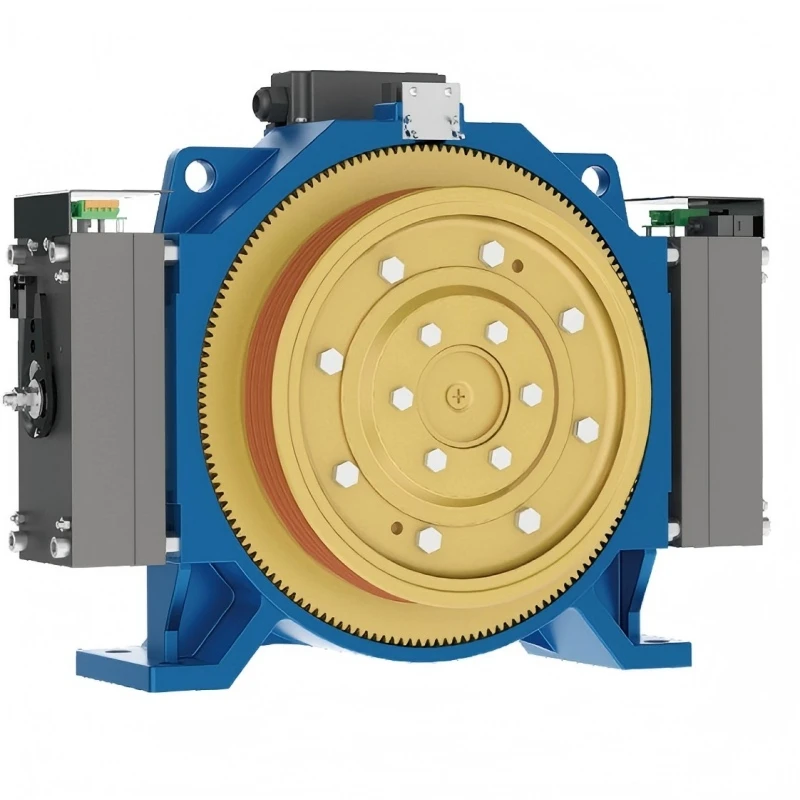
Elevator Traction Machine Products
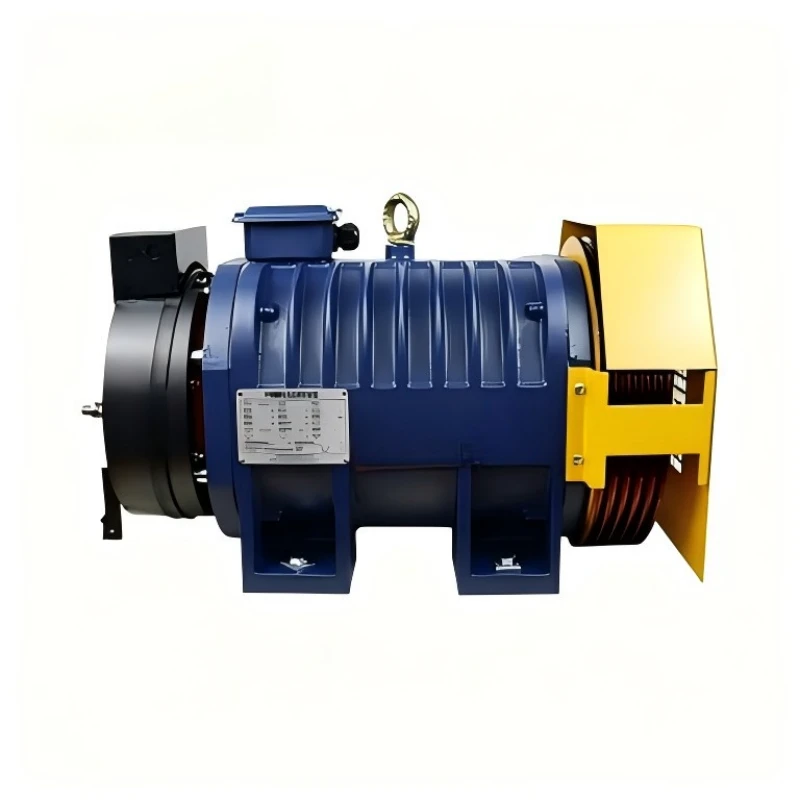
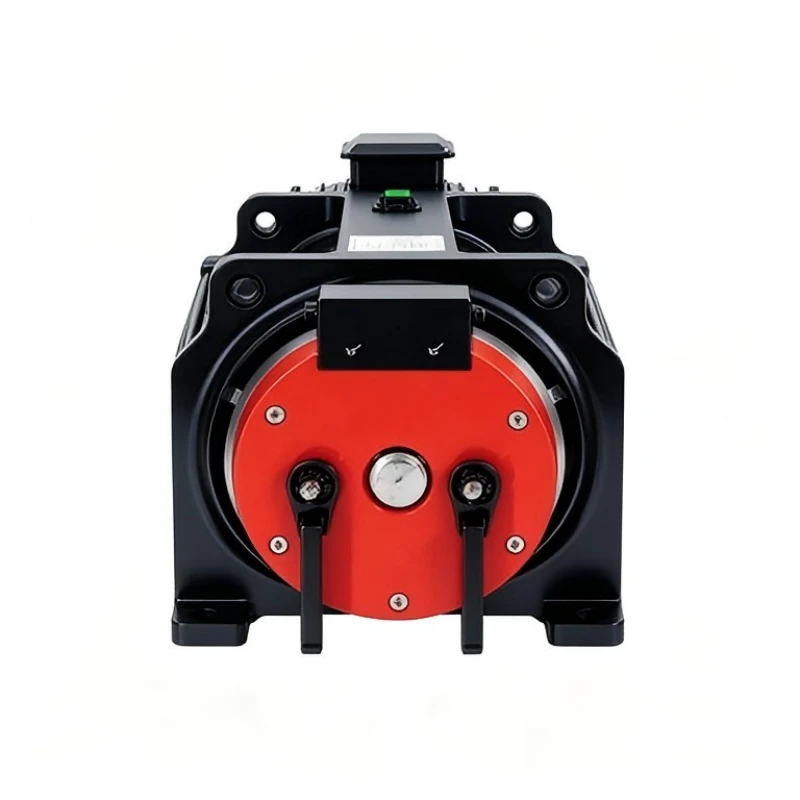
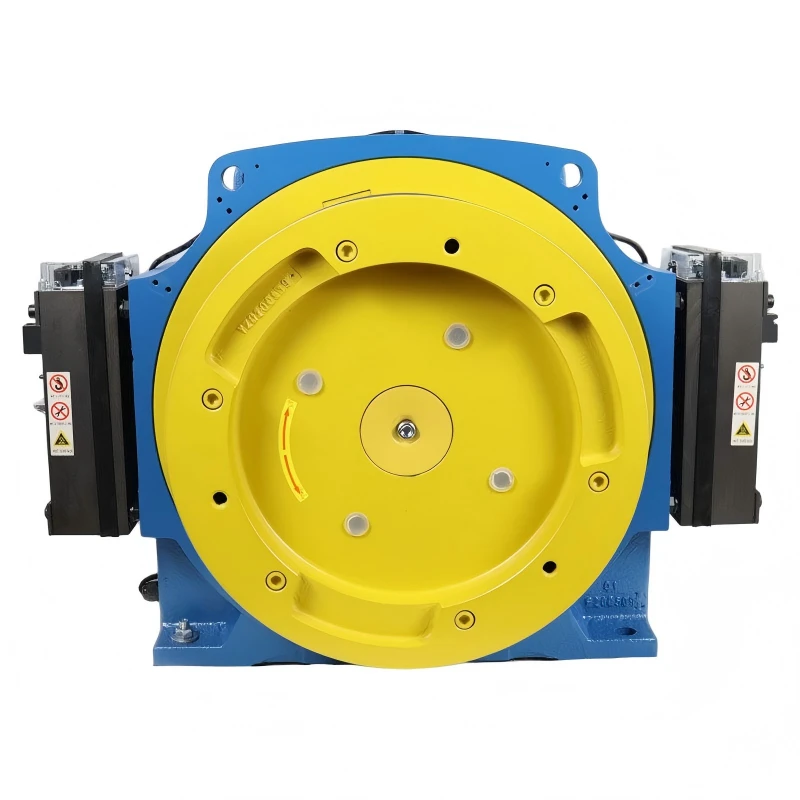
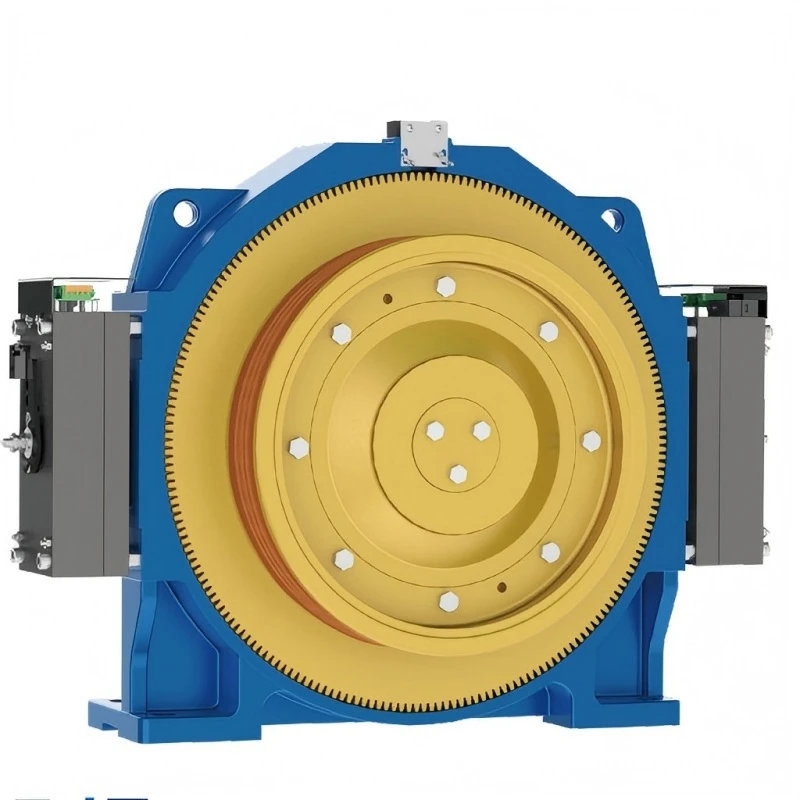
EKCNE offers a wide range of traction machine solutions to meet different building requirements and elevator configurations.
Available product categories include:
- Gearless elevator traction machines
- Geared elevator traction machines
- Permanent magnet synchronous traction machines
- Machine-room-less elevator traction machines
- Passenger elevator traction machines
- Freight elevator traction machines
- High-speed elevator traction machines
- Modernization replacement traction machines
Our engineering team can support project-specific configuration based on load capacity, travel height, rated speed, machine room conditions, and controller compatibility.
Traction Technologies Compared
Selecting the right traction technology is one of the most important decisions in elevator system design.
Gearless Elevator Traction Machines
Gearless traction machines drive the traction sheave directly without using a reduction gearbox.
Advantages include:
- High transmission efficiency
- Lower energy consumption
- Reduced mechanical wear
- Low operating noise
- Improved ride comfort
- Compact installation requirements
Gearless systems are widely used in machine-room-less elevators, commercial buildings, hotels, hospitals, and high-rise projects.
Worm Gear Traction Machines
Worm gear traction machines remain a common solution for conventional elevator installations.
Key characteristics include:
- Mature technology
- Stable operation
- Cost-effective investment
- Reliable load-handling performance
- Proven long-term durability
They continue to be widely used in low-rise and mid-rise commercial projects.
Helical Gear Traction Machines
Helical gear transmission improves power transfer efficiency through smoother gear engagement.
Compared with conventional gear systems, helical gear machines offer:
- Reduced vibration
- Lower operating noise
- Improved transmission efficiency
- Better load distribution
These characteristics help improve ride quality and system longevity.
Planetary Gear Traction Machines
Planetary gear systems provide high torque transmission within a compact structure.
Benefits include:
- High transmission efficiency
- Compact mechanical design
- Strong load capacity
- Stable performance under continuous operation
Planetary gear traction machines are often selected for projects requiring a balance between efficiency and durability.
How Elevator Traction Machines Generate Motion
The traction machine works as part of a complete elevator drive system.
A modern traction system typically includes:
These components work together to provide controlled acceleration, smooth travel, accurate leveling, and safe stopping performance.
Permanent Magnet Synchronous Motors
Modern traction machines increasingly utilize PMSM technology because of its superior efficiency and compact structure.
Compared with traditional motors, PMSM systems provide:
- Higher power density
- Better energy efficiency
- Lower heat generation
- Stable torque output
- Reduced installation space requirements
Traction Sheaves
The traction sheave transfers motor power to the wire rope system.
Its design directly affects:
- Rope traction performance
- Wire rope lifespan
- Ride smoothness
- System efficiency
Precision-machined sheaves help reduce rope wear while maintaining stable traction performance throughout the equipment lifecycle.
Encoder Feedback Systems
Encoders continuously monitor motor speed and position.
This information allows the elevator controller to maintain:
- Accurate floor leveling
- Stable speed regulation
- Smooth acceleration
- Consistent passenger comfort
Encoder performance is especially important in modern variable-frequency elevator systems.
Integrated Brake Systems
The brake assembly provides stopping force and holding capability during both normal operation and emergency conditions.
Modern traction machines utilize brake systems designed to support:
- Reliable stopping performance
- Stable holding force
- Safety redundancy
- Long-term operational reliability
VVVF Drive Compatibility and Energy Efficiency
Modern elevator traction machines are typically integrated with Variable Voltage Variable Frequency (VVVF) drive systems.
VVVF technology allows precise control of motor speed and torque, helping improve both efficiency and ride quality.
Benefits include:
- Reduced power consumption
- Smooth acceleration and deceleration
- Lower mechanical stress
- Improved passenger comfort
- Better floor leveling accuracy
- Extended equipment lifespan
The combination of PMSM motors, encoder feedback, and VVVF control has become the preferred drive architecture for modern elevator projects.
How to Select the Right Elevator Traction Machine
Choosing the appropriate traction machine depends on multiple project factors.
Important considerations include:
| Selection Factor |
Typical Consideration |
| Load Capacity |
Passenger or freight requirements |
| Rated Speed |
Low-speed, medium-speed, or high-speed elevators |
| Travel Height |
Building height and shaft design |
| Installation Type |
Machine room or machine-room-less |
| Energy Efficiency Goals |
Building sustainability objectives |
| Control System Compatibility |
VVVF and controller integration |
| Maintenance Strategy |
Lifecycle cost and service requirements |
Proper traction machine selection helps improve system reliability, operating efficiency, and long-term maintenance performance.
Applications Across Elevator Systems
Passenger Elevators
Designed for reliable daily transportation in residential and commercial buildings.
Freight Elevators
Configured to handle heavier loads and demanding operating conditions.
Hospital Elevators
Provide smooth travel, stable leveling accuracy, and dependable operation for patient transportation.
Panoramic Elevators
Support comfortable operation while maintaining an enhanced passenger experience.
Machine-Room-Less Elevators
Compact gearless traction machines help reduce building space requirements.
High-Rise Buildings
Efficient drive systems capable of supporting higher speeds and intensive traffic conditions.
OEM Manufacturing Capability
As an elevator traction machine factory and supplier, EKCNE supports both standardized and customized production.
Our capabilities include:
- OEM manufacturing
- Project-based customization
- Gearless and geared solutions
- Global export supply
- Modernization project support
- Component compatibility assistance
- Technical selection support
We serve elevator manufacturers, distributors, contractors, modernization specialists, and project developers worldwide.
About EKCNE
Focused on Vertical Transportation Solutions
Founded in 2009, EKCNE provides complete elevator systems, escalators, moving walkways, accessibility lifts, industrial lifting equipment, elevator shafts, and elevator components for projects worldwide.
We support contractors, distributors, developers, elevator companies, and engineering teams through product supply, system planning, configuration matching, manufacturing coordination, export logistics, and long-term project support.
With experience across residential, commercial, healthcare, industrial, and infrastructure sectors, EKCNE helps customers source dependable elevator traction machine solutions for a wide range of applications.
FAQ
What is an elevator traction machine?
An elevator traction machine is the drive unit that powers a traction elevator. It works with the traction sheave, wire ropes, brake system, and controller to move the elevator car safely and efficiently.
What is the difference between geared and gearless traction machines?
Geared machines use a reduction gearbox to transfer power, while gearless machines drive the traction sheave directly. Gearless systems generally offer higher efficiency, lower noise, and reduced maintenance requirements.
Why are permanent magnet synchronous motors widely used in modern elevators?
PMSM motors provide higher efficiency, compact dimensions, stable torque output, and lower energy consumption compared with many conventional motor technologies.
Can elevator traction machines be replaced during modernization projects?
Yes. Many modernization projects include traction machine replacement to improve efficiency, reliability, ride comfort, and compatibility with modern control systems.
How do I choose the right traction machine for my project?
Selection depends on load capacity, speed requirements, travel height, installation conditions, controller compatibility, and long-term operating objectives. A proper evaluation of these factors helps ensure reliable elevator performance.