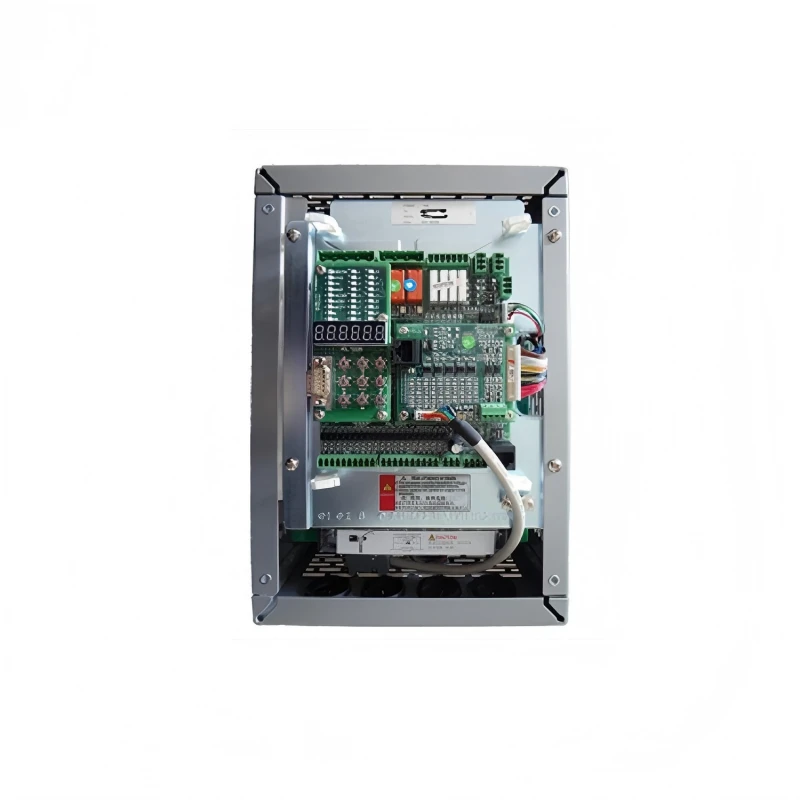
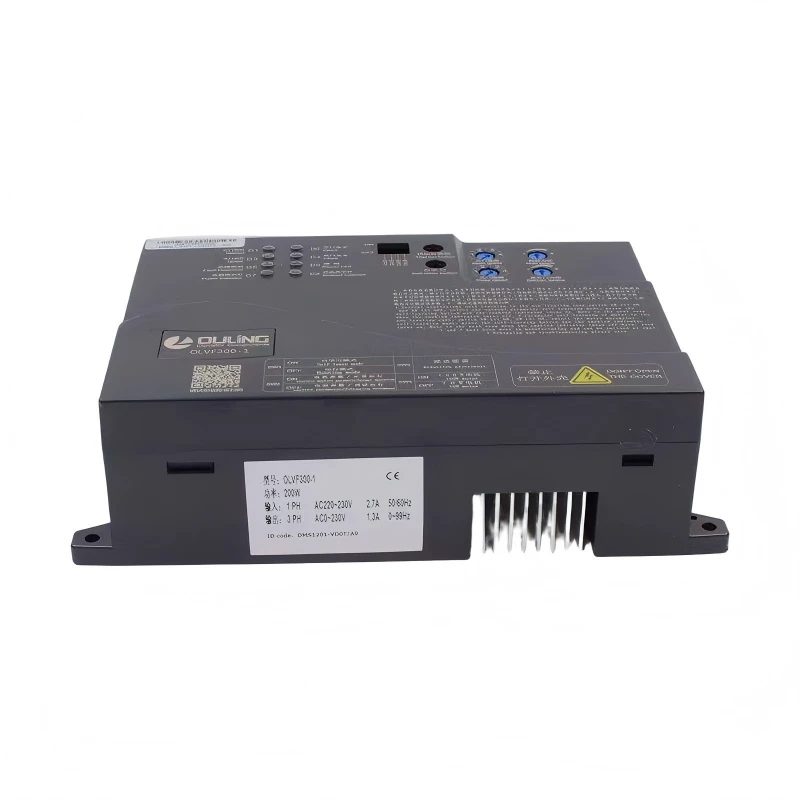
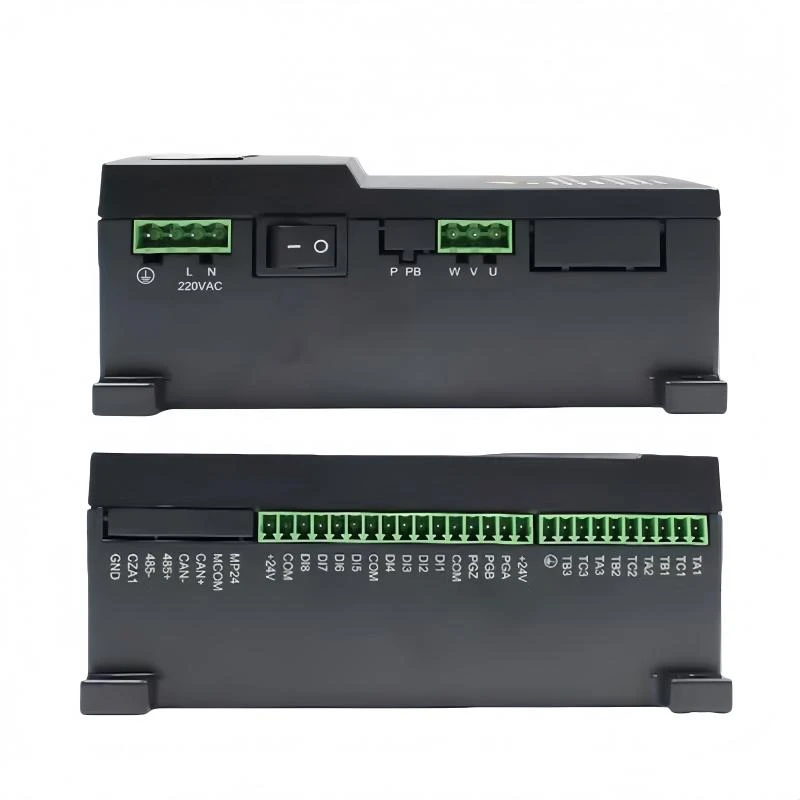
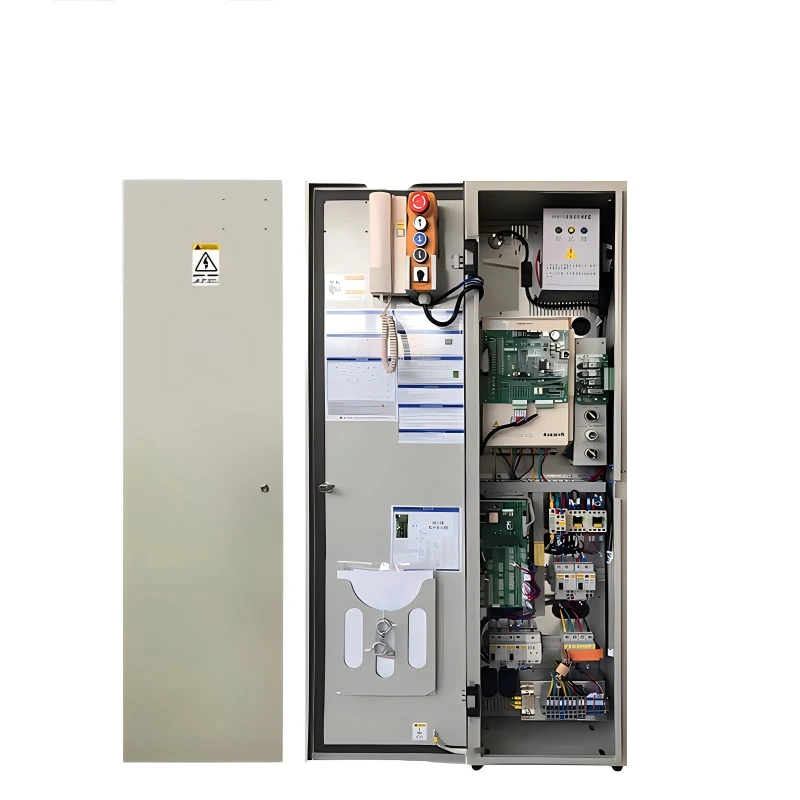
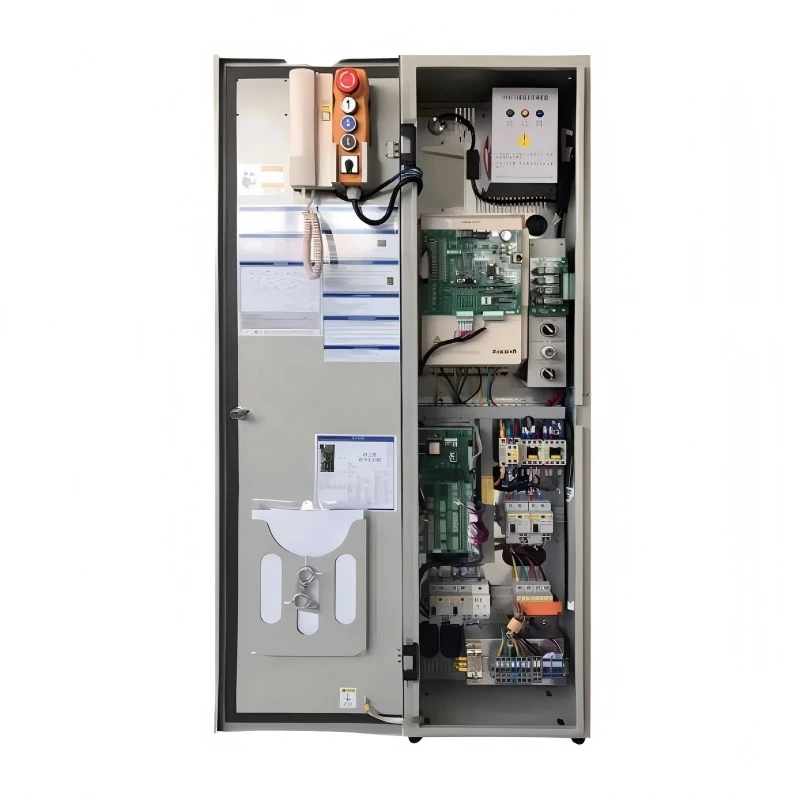
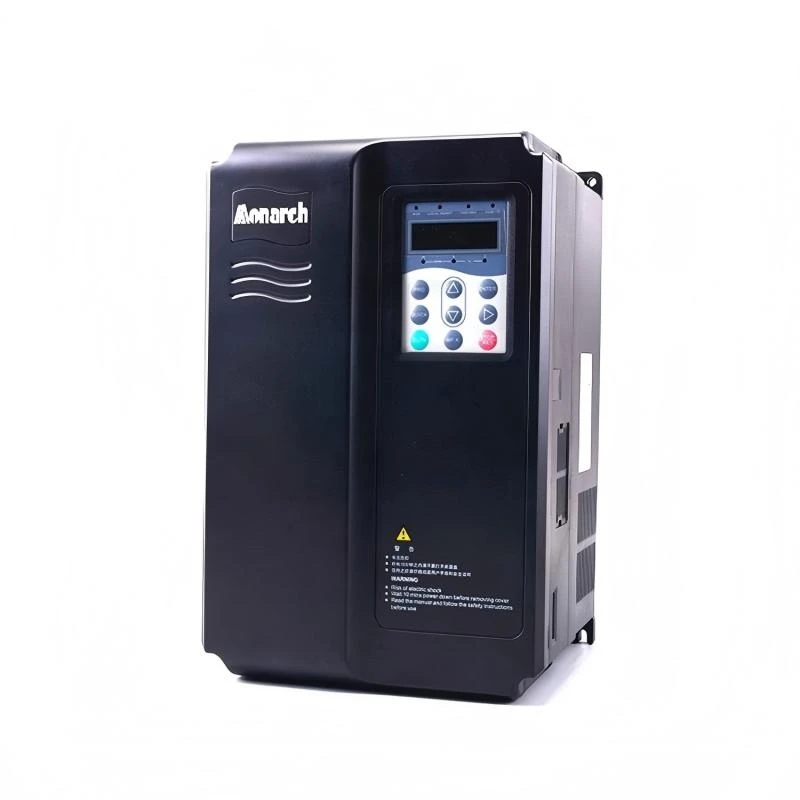
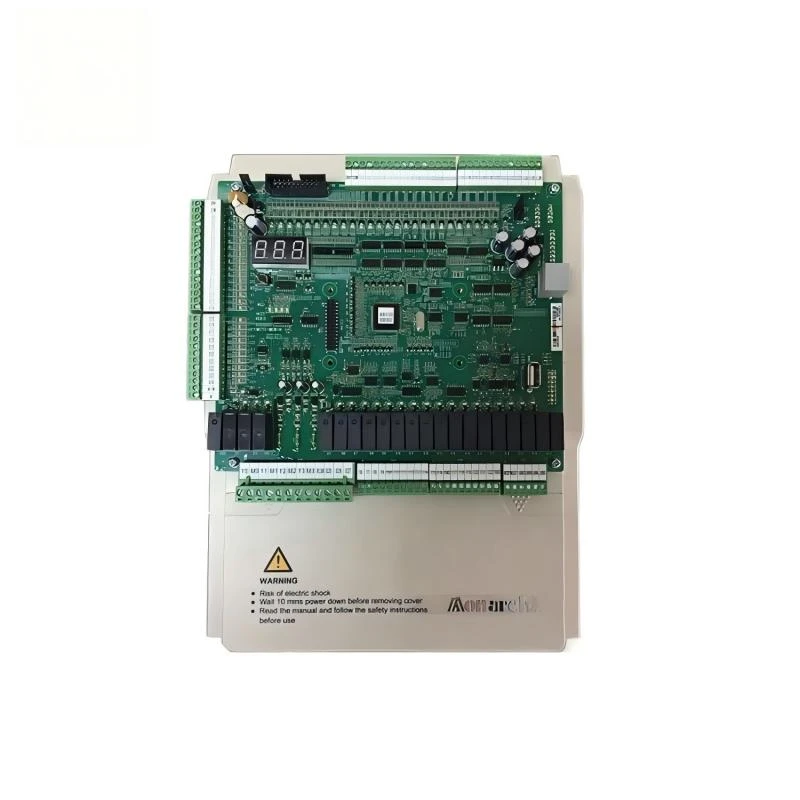
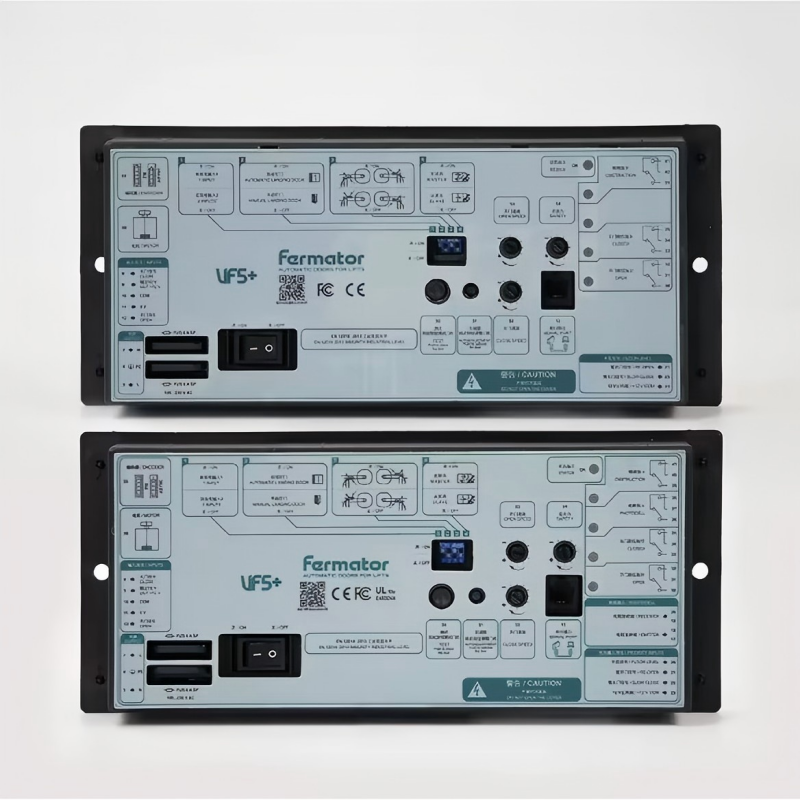
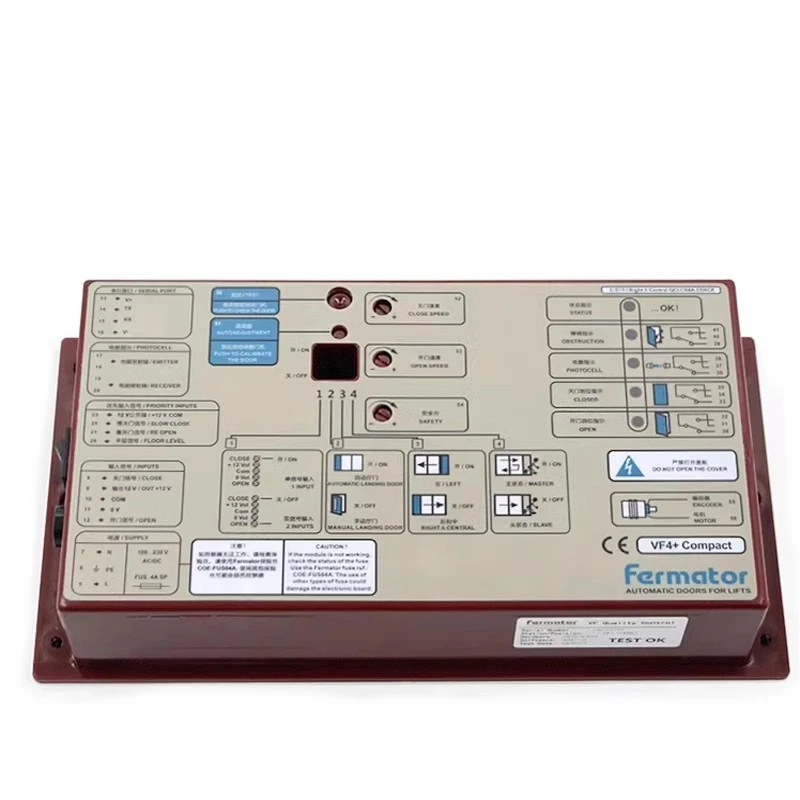
Elevator Control System
Modern elevator performance depends on thousands of operational decisions made every day. Whether moving residents through a residential tower, transporting patients in a hospital, handling peak-hour traffic in an office building, or coordinating freight movement in an industrial facility, elevator control systems determine how efficiently a building’s vertical transportation infrastructure performs.
For project owners, consultants, contractors, distributors, and facility managers, the controller is not simply an electrical component inside an equipment cabinet. It is the operational platform that influences traffic flow, passenger experience, maintenance efficiency, modernization flexibility, building integration, and long-term lifecycle performance.
As buildings become taller, more complex, and increasingly connected to digital infrastructure, elevator control systems play an increasingly important role in maintaining safe, efficient, and reliable mobility throughout the built environment.
What Does an Elevator Control System Actually Control
Many people assume that an elevator control system is only responsible for moving the elevator car between floors. In reality, the controller coordinates nearly every operational and safety-related activity within the elevator installation.
A modern control system continuously receives information from multiple sources, evaluates operating conditions, and determines how the elevator should respond.
Operational Functions
Typical operational responsibilities include:
- Elevator movement control
- Floor call processing
- Passenger dispatching
- Door operation management
- Drive system coordination
- Car positioning
- Load monitoring
- Travel direction control
- Hall indicator management
- Communication system supervision
Rather than controlling individual devices independently, the controller coordinates all elevator subsystems as a unified transportation platform.
Safety Functions
The control system also supervises critical safety devices throughout the installation.
These commonly include:
- Door lock contacts
- Door closed contacts
- Emergency stop circuits
- Final limit switches
- Speed governor interfaces
- Safety gear monitoring
- Pit stop switches
- Buffer contacts
- Fire alarm interfaces
- Overload protection devices
Whenever abnormal operating conditions are detected, the controller automatically initiates predefined protective actions. This fail-safe philosophy remains one of the most important principles in modern elevator engineering.
Why Elevator Control Systems Matter for Building Performance
Two elevators may have identical speed, capacity, and mechanical equipment yet deliver completely different operational performance because of differences in their control systems.
The controller ultimately determines how effectively passenger demand is managed throughout the building.
Passenger Waiting Time
In most buildings, passenger satisfaction is influenced more by waiting time than by travel speed.
The controller continuously evaluates:
- Car locations
- Passenger requests
- Travel direction
- Traffic demand
- Car loading conditions
- Available elevator resources
These decisions directly affect how quickly passengers are served.
Traffic Handling Efficiency
Different buildings generate different transportation patterns.
| Building Type |
Primary Traffic Challenge |
| Residential Buildings |
Morning and evening peak periods |
| Office Buildings |
Up-peak, lunch, and down-peak traffic |
| Hotels |
Irregular guest movement throughout the day |
| Hospitals |
Mixed patient, visitor, and staff transportation |
| Shopping Centers |
Event-driven traffic fluctuations |
| Industrial Facilities |
Freight and personnel movement coordination |
An effective elevator control system adapts its operating strategy to these varying traffic conditions rather than applying identical logic at all times.
Load-Based Decision Making
Modern controllers can incorporate car loading information into dispatch decisions.
For example, when a heavily loaded elevator approaches capacity, the controller may temporarily bypass additional landing calls. Although this may appear counterintuitive, it often improves overall transportation efficiency by reducing unnecessary stops and shortening travel times for passengers already inside the car.
This capability becomes particularly valuable in high-rise office buildings, hospitals, hotels, and mixed-use developments.
Building-Specific Control Strategies
Different building types require different control philosophies.
A dispatch strategy that performs effectively in a residential building may not be suitable for a hospital or commercial office tower.
Residential Buildings
Residential projects typically prioritize:
- Operational reliability
- Energy efficiency
- Maintenance simplicity
- Predictable daily traffic management
Traffic demand is generally concentrated during morning departure periods and evening return periods.
Commercial Office Buildings
Office buildings often experience concentrated traffic peaks.
Controllers must manage:
- Morning up-peak traffic
- Lunch-hour movement
- Evening down-peak traffic
- Multi-elevator coordination
Efficient dispatching can significantly influence building productivity and passenger satisfaction.
Hotels
Hotel traffic is less predictable and often involves multiple transportation requirements.
Controllers may need to coordinate:
- Guest transportation
- Service operations
- Housekeeping movement
- Conference and event traffic
Balancing passenger convenience and operational efficiency becomes particularly important.
Hospitals
Hospital elevators often require specialized operating logic.
Transportation priorities may include:
- Patient movement
- Bed transportation
- Medical equipment transfer
- Emergency access
- Accessibility requirements
In these environments, operational reliability and priority management often outweigh conventional traffic optimization objectives.
Industrial and Freight Applications
Industrial facilities and freight elevators prioritize:
- Load handling reliability
- Equipment protection
- Operational durability
- Safety supervision
Control logic focuses on dependable performance under demanding working conditions rather than passenger waiting time reduction.
Group Control and Multi-Elevator Coordination
As buildings become larger, multiple elevators are often required to manage transportation demand efficiently.
In these environments, individual elevator operation is no longer sufficient. The controller must coordinate multiple elevators as a single transportation system.
What Is Group Control
Group control allows multiple elevators to share passenger demand information and coordinate dispatch decisions.
Rather than assigning hall calls independently, the system evaluates:
- Elevator positions
- Travel directions
- Car occupancy
- Traffic demand
- Waiting time targets
The controller then assigns calls to the elevator most capable of serving passengers efficiently.
Benefits of Group Control
Effective group control can:
- Reduce passenger waiting times
- Improve traffic distribution
- Reduce unnecessary elevator travel
- Lower energy consumption
- Increase building transportation capacity
Group control becomes particularly important in office towers, hotels, hospitals, mixed-use developments, and transportation hubs.
Evolution of Elevator Control Technology
Elevator control systems have evolved significantly over the past several decades.
Relay-Based Control Systems
Traditional elevators relied on relay-based control logic.
These systems utilized large numbers of electromechanical relays to perform operational decisions.
Advantages included simplicity and ease of understanding. However, relay-based systems typically required extensive wiring, occupied substantial cabinet space, and offered limited flexibility for future upgrades.
Many modernization projects today involve replacing aging relay systems.
Microprocessor-Based Control Systems
Modern elevators utilize microprocessor-based controllers that perform operational decisions through software-controlled logic.
Compared with relay systems, microprocessor-based platforms provide:
- Faster processing
- Improved traffic management
- Reduced wiring requirements
- Advanced diagnostics
- Greater flexibility
- Improved integration capability
These systems have become the industry standard for modern elevator installations.
Centralized vs Distributed Control Architecture
No control architecture is universally superior. The appropriate solution depends on project requirements, building size, maintenance strategy, and future expansion plans.
| Factor |
Centralized Architecture |
Distributed Architecture |
| Wiring Complexity |
Higher |
Lower |
| Expansion Flexibility |
More Limited |
Greater |
| Fault Diagnostics |
More Challenging |
Easier |
| Installation Efficiency |
Lower |
Higher |
| Modernization Capability |
Moderate |
Strong |
| Large Building Suitability |
Limited |
Better |
Distributed architectures are increasingly common in modern projects because they simplify communication, improve scalability, and support future modernization requirements.
However, centralized architectures may still be suitable for smaller projects where system simplicity is prioritized.
Distributed Network Architecture in Modern Elevators
Modern elevators increasingly utilize network-based communication systems.
Instead of individually wiring every button, indicator, display, and sensor to the main controller, devices communicate through shared networks.
Common technologies include:
- CAN Bus
- RS485 Communication
- Serial Communication Systems
- Distributed Input and Output Networks
These communication architectures reduce wiring complexity, improve fault diagnostics, and simplify future system expansion.
For modernization projects, distributed communication systems often provide greater flexibility and lower lifecycle maintenance costs.
Elevator Control Systems and Building Integration
Modern elevators rarely operate as isolated systems.
Today’s buildings increasingly require elevators to interact with other building infrastructure systems.
Fire Alarm Integration
When fire alarms are activated, the controller initiates predefined emergency operating procedures.
Depending on project requirements, these may include:
- Returning elevators to designated floors
- Removing elevators from normal passenger service
- Supporting evacuation procedures
- Prioritizing emergency operation modes
Access Control Integration
Commercial buildings frequently integrate elevator operation with access control systems.
This allows floor access permissions to be linked directly to security credentials.
Building Management System Integration
In larger projects, controllers often communicate with building management systems to support:
- Equipment monitoring
- Energy management
- Maintenance coordination
- Performance reporting
For projects requiring integration with fire systems, access control platforms, or building management software, EKCNE evaluates communication compatibility during the planning stage rather than after installation.
Why Modernization Projects Often Begin With the Control System
In many elevator installations, the control system reaches the end of its practical support life before major mechanical components require replacement.
Guide rails, structural components, and even drive equipment may remain serviceable while controller technology becomes obsolete.
Common Modernization Drivers
Control system upgrades are frequently driven by:
- Obsolete electronics
- Discontinued spare parts
- Limited diagnostic capability
- Poor traffic performance
- Integration limitations
- Reliability concerns
Controller Obsolescence and Lifecycle Risk
One of the most common challenges in older elevators is controller obsolescence.
A building may still possess a structurally sound elevator system, yet experience increasing maintenance costs because replacement electronic components are no longer readily available.
In many modernization projects supported by EKCNE, controller replacement becomes a practical strategy for extending operational life while improving maintenance support and future compatibility.
OEM Compatibility and Long-Term Serviceability
For distributors, contractors, and project buyers, controller selection extends beyond current functionality.
Long-term compatibility often becomes equally important.
Key considerations include:
- Drive system compatibility
- Door operator compatibility
- Expansion capability
- Replacement component availability
- Future modernization flexibility
- Third-party integration requirements
A controller with strong compatibility characteristics can reduce supplier dependency and improve long-term operational flexibility.
Elevator Control System Selection Considerations
Selecting an elevator control system requires balancing technical performance with long-term operational objectives.
| Consideration |
Why It Matters |
| Building Type |
Determines traffic management requirements |
| Elevator Quantity |
Influences dispatch complexity |
| Future Expansion |
Affects scalability requirements |
| Building Integration Needs |
Determines communication requirements |
| Modernization Plans |
Influences future compatibility |
| Spare Parts Availability |
Supports lifecycle reliability |
| Maintenance Accessibility |
Improves service efficiency |
| Lifecycle Cost |
Impacts total ownership value |
The most suitable control system is not necessarily the most advanced system. It is the solution that best aligns with building requirements, operational goals, and lifecycle planning objectives.
Why Lifecycle Compatibility Matters More Than Controller Specifications
Many purchasing decisions focus heavily on processor specifications and hardware performance.
In practice, long-term project success is often determined by factors such as:
- Spare parts continuity
- Maintenance accessibility
- Upgrade flexibility
- Communication compatibility
- Expansion capability
- Supplier support stability
These considerations frequently have a greater influence on lifecycle cost and operational reliability than technical specifications alone.
FAQ
What is the primary function of an elevator control system?
An elevator control system coordinates passenger dispatching, elevator movement, door operation, safety supervision, and communication between multiple elevator subsystems to ensure safe and efficient building transportation.
What is group control in an elevator system?
Group control allows multiple elevators to coordinate passenger demand collectively. By sharing operational data, the system can reduce waiting times, improve traffic handling efficiency, and optimize elevator utilization.
When should an elevator control system be modernized?
Modernization is commonly considered when spare parts become difficult to obtain, reliability declines, traffic performance becomes inadequate, or integration with modern building systems is required.
Can modern controllers integrate with building management systems?
Yes. Many modern control systems can communicate with fire alarm systems, access control platforms, monitoring software, and building management systems to improve operational visibility and coordination.
Why is spare parts continuity important when selecting a controller?
Long-term spare parts availability helps reduce maintenance risk, supports lifecycle planning, minimizes downtime, and protects the long-term operational value of the elevator installation.
Does a more advanced controller always provide better performance?
Not necessarily. The most effective controller is the one that aligns with the building’s traffic requirements, maintenance strategy, modernization plans, and operational objectives rather than simply offering the largest number of features.