Elevator Light Curtain Function in Door Protection Systems
Elevator light curtains are designed to monitor the elevator doorway during opening and closing cycles.
When a passenger or object enters the detection area:
- The infrared beam is interrupted
- The controller immediately sends a door reopening signal
- Door closing movement stops
- The elevator doors reopen automatically
This helps reduce:
- Passenger impact risk
- Door collision incidents
- Entrapment situations
- Door closing interruptions
- Operational safety issues
Modern elevator light curtains are now widely used because they provide more reliable protection compared with older contact-based door protection systems.
Traditional Elevator Door Protection vs Light Curtain Systems
Earlier elevator systems commonly used mechanical safety touch plates mounted on elevator doors.
These systems relied on physical contact to trigger door reopening.
Typical limitations included:
- Slower response speed
- Physical impact before activation
- Mechanical wear
- Reduced sensitivity
- Limited protection area
Modern elevator light curtains replace direct contact detection with non-contact infrared scanning technology.
Compared with mechanical touch plate systems, elevator light curtains provide:
- Faster signal response
- Non-contact detection
- Wider doorway coverage
- Higher passenger comfort
- Reduced mechanical wear
- Improved safety reliability
This transition has made infrared elevator light curtains the mainstream solution in modern elevator door systems.
How Elevator Light Curtains Work
Elevator light curtain systems use infrared scanning technology across the doorway opening.
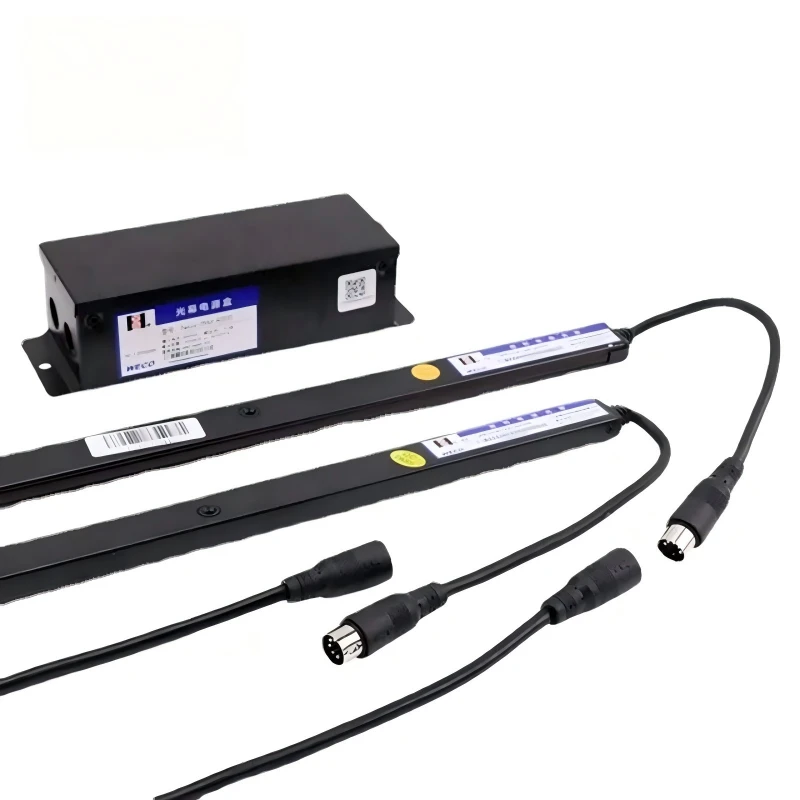
The system typically includes:
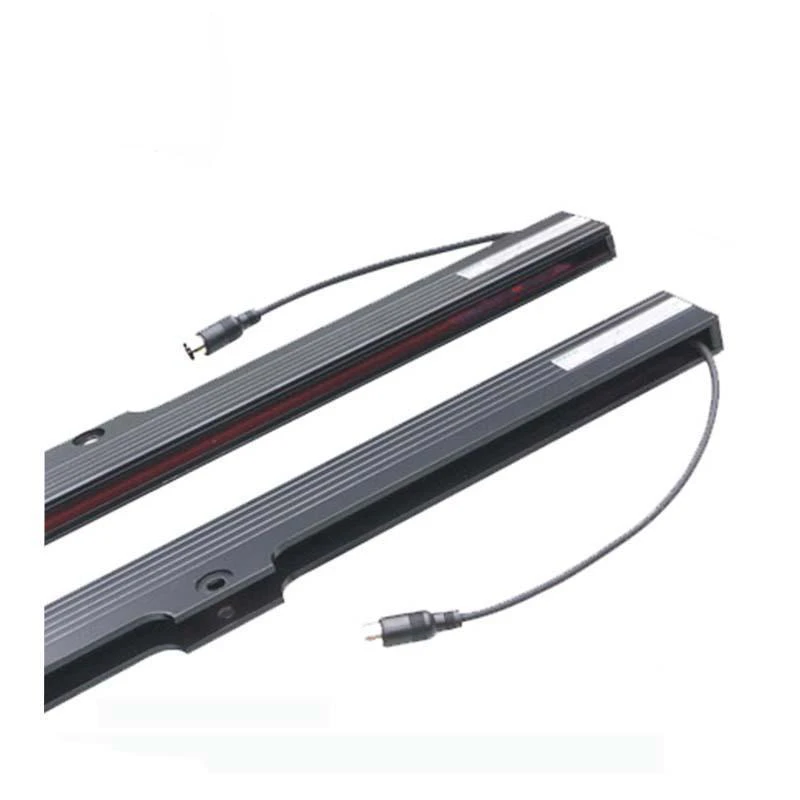
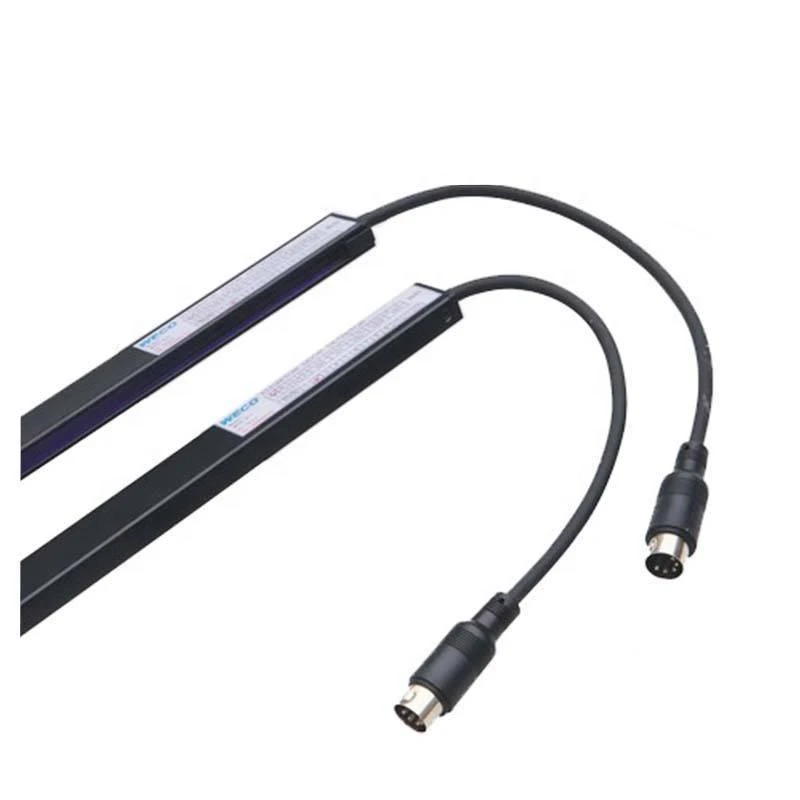
- Infrared transmitters
- Infrared receivers
- Signal processing controller
- Communication wiring
- Power supply modules
The transmitter and receiver are installed on opposite sides of the elevator door entrance.
During operation:
- The transmitter continuously emits infrared beams
- The receiver monitors beam continuity
- Multiple infrared beams create a protective detection screen
- The controller continuously scans the doorway area
- When an object interrupts the beam, the controller activates a door reopening signal
Once the passenger or object leaves the detection area, the elevator doors return to normal closing operation.
Elevator Infrared Beam Protection Technology
Modern elevator light curtains use dense infrared beam arrays to improve doorway protection accuracy.
Compared with simple photocell systems, multi-beam infrared curtains provide:
- Larger detection coverage
- Improved object recognition
- Better passenger detection
- Reduced blind spots
- More stable signal response
High-density beam configurations are especially important in:
because passenger flow conditions are more complex.
Elevator Light Curtains for Modernization Projects
Many elevator modernization projects replace older safety touch plates with infrared light curtain systems.
This upgrade helps improve:
- Passenger safety
- Door operation efficiency
- Door response sensitivity
- System reliability
- Maintenance stability
Modernization projects may also require:
- Controller compatibility evaluation
- Signal integration matching
- Door operator coordination
- Cable routing adjustments
- Installation structure adaptation
For older elevators, stable compatibility between the light curtain and door controller system becomes especially important.
Elevator Door Monitoring and Signal Coordination
Elevator light curtains are not standalone sensors.
They work together with:
Signal coordination affects:
- Door reopening timing
- Door closing response
- Passenger protection performance
- Operational stability
- False trigger prevention
Improper signal matching may result in:
- Repeated door reopening
- Delayed closing cycles
- Detection instability
- Interference problems
- Operational interruptions
For this reason, elevator light curtain selection should consider overall door system compatibility rather than only sensor specifications.
Elevator Light Curtain Installation Considerations
Light curtain installation quality directly affects detection stability.
Important installation factors include:
- Door opening width
- Beam alignment accuracy
- Controller compatibility
- Cable routing stability
- Mounting structure positioning
- Elevator door type
Different elevator projects may use:
- Center opening doors
- Side opening doors
- Freight elevator doors
- Hospital elevator doors
- Heavy-duty door systems
Each application may require different light curtain configurations and installation structures.
Elevator Light Curtains for High-Traffic Buildings
High-traffic elevators require stable and fast door detection performance.
In commercial buildings, hospitals, hotels, and public transportation facilities, elevator doors may operate continuously throughout the day.
Reliable light curtain systems help reduce:
- Door impact events
- Passenger obstruction issues
- Door wear
- Repeated reopening cycles
- Maintenance interruptions
Stable signal response also helps improve long-term elevator operational efficiency.
Elevator Light Curtain Maintenance and Reliability
Long-term elevator operation may expose light curtain systems to:
- Dust accumulation
- Wiring wear
- Signal interference
- Vibration
- Misalignment
- Component aging
Regular inspection should include:
- Infrared beam alignment
- Wiring condition
- Sensor cleanliness
- Signal response testing
- Controller communication stability
Proper maintenance helps maintain stable passenger protection performance and reduce unexpected door system faults.
FAQ
What does an elevator light curtain do?
An elevator light curtain detects passengers or objects in the doorway during door closing operation and automatically triggers door reopening to improve passenger safety.
How is a light curtain different from a safety touch plate?
A safety touch plate requires physical contact to activate, while a light curtain uses infrared beams for non-contact detection with faster response and wider coverage.
Why are infrared light curtains widely used in elevators?
Infrared light curtains improve passenger protection, reduce mechanical wear, provide faster response speed, and support smoother elevator door operation compared with traditional contact-based systems.
Can elevator light curtains be installed during modernization projects?
Yes. Many elevator modernization projects replace older touch plate systems with infrared light curtains to improve safety, response speed, and operational reliability.
What can affect elevator light curtain performance?
Performance may be affected by beam misalignment, wiring instability, dust accumulation, signal interference, controller compatibility issues, or improper installation structure matching.