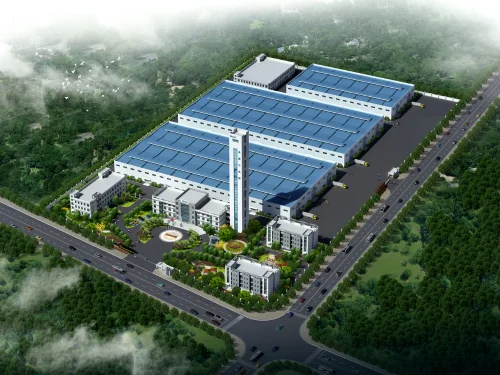
EKCNE is an industrial lift manufacturer focused on hydraulic lifting systems for warehouses, factories, logistics facilities, and material handling projects.
Our industrial lifting solutions are developed around:
Structural stability
Heavy-duty lifting performance
Installation flexibility
Long-term operational reliability
Maintenance accessibility
Industrial project adaptability
We support customized industrial cargo lift projects for warehouses, workshops, manufacturing facilities, logistics centers, and existing building retrofits.
With integrated manufacturing capability and engineering-based production control, EKCNE supports both standard and non-standard industrial lifting requirements while maintaining stable system compatibility and long-term spare parts support.
We are a manufacturer of home elevators and commercial elevators, delivering complete solutions from pre-sales technical consultation through to final commissioning. Our capabilities extend to OEM and semi-CKD cooperation for partners who require manufacturing support under their own brand — but first and foremost, we build elevators.
Pre-Sales Engineering Support
We provide complete pre-sales engineering assistance before production begins, including shaft layout drawings, site condition evaluation, and dimension planning. Whether the project is still in the design stage or facing complex installation limitations, our engineering team develops practical elevator solutions based on actual structural conditions and usage requirements.
Commercial Elevator Solutions
We manufacture commercial elevator systems for office buildings, hotels, retail centers, warehouses, and other commercial projects. From compact shaft optimization to large-capacity custom configurations, every solution is engineered around load requirements, space efficiency, electrical standards, and long-term maintenance convenience.
Home Elevator Solutions
We deliver complete home elevator solutions for villas, duplex houses, and residential retrofit projects, with or without an existing shaft. Our systems support compact installation spaces, customized interior finishes, low-noise operation, and flexible structural solutions tailored to residential environments.
Quality Control & Testing
Every elevator and component undergoes strict quality inspection and functional testing before shipment. We provide complete testing documentation, type test reports, and detailed verification procedures to ensure stable performance, installation accuracy, and compliance with international project requirements.
OEM & Semi-CKD Manufacturing
We support OEM and semi-CKD cooperation for distributors, project contractors, and private-label elevator brands worldwide. From customized branding and packaging to technical documentation and production coordination, we provide flexible manufacturing solutions adapted to different market and assembly requirements.
Elevator Components Supply
We supply a wide range of elevator components and spare parts covering most mainstream elevator systems and models. Backed by manufacturing experience and a mature supply chain, we support consolidated purchasing, compatibility guidance, and fast dispatch for both standard and urgent requirements.
Export Packaging & Logistics
All elevators and components are protected with export-standard packaging designed for long-distance transportation and sea freight handling. Reinforced wooden crates, steel-edged protection, and secure internal packaging help minimize transport risk and maintain product condition during international delivery.
Partner Support Services
We provide long-term technical and market support for distributors, installers, and exclusive regional partners. Services include installation guidance, remote commissioning assistance, troubleshooting support, localized branding consultation, and marketing coordination to help partners grow sustainably in their local markets.
Get Our Product Catalog
Comprehensive catalog for elevators and components.
Industrial lifts are used to improve vertical material flow in warehouses, manufacturing facilities, logistics centers, and industrial production environments. Unlike standard passenger elevators, industrial lifting systems are designed around heavy-duty cargo transport, continuous operation, loading stability, and installation flexibility.
As an industrial lift manufacturer, EKCNE provides hydraulic lifting systems for factories, warehouses, mezzanine floors, and freight handling projects where reliable vertical cargo transportation is critical to operational efficiency.
From pallet transfer between mezzanine levels to heavy-duty material movement inside production facilities, our industrial lifting solutions are designed for stable long-term operation under demanding industrial duty cycles.
Industrial lifting systems are commonly used for:
Warehouse cargo transfer
Factory material handling
Industrial freight transport
Mezzanine floor lifting
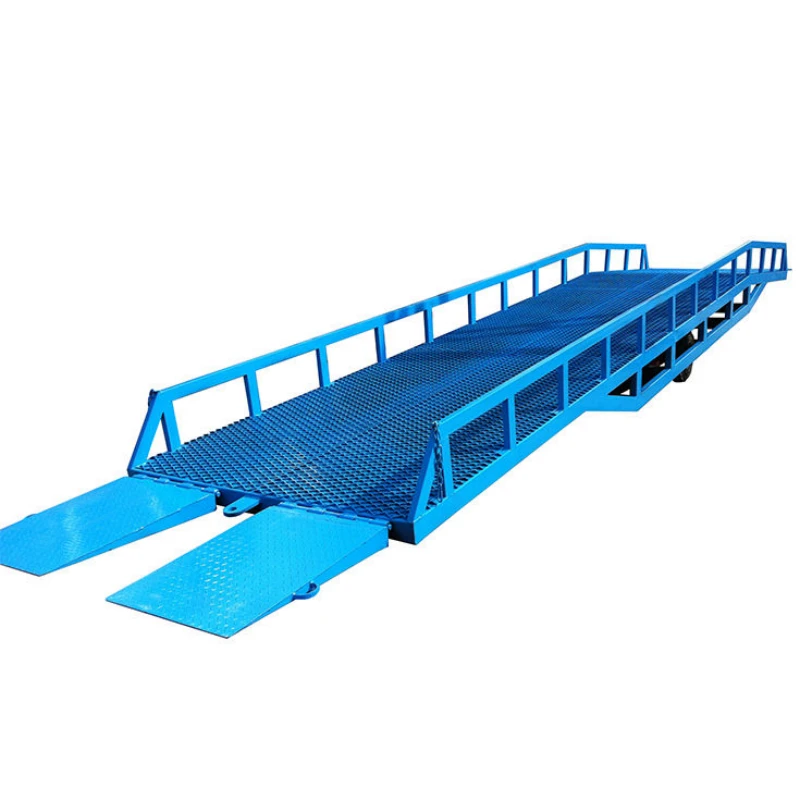
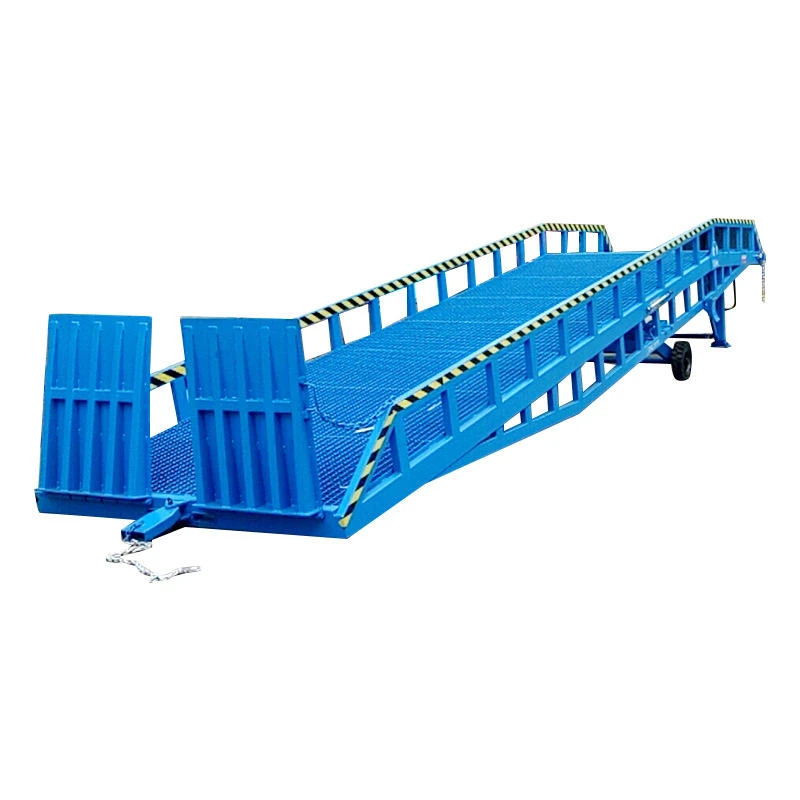
Loading dock operations
Automotive workshop lifting
Outdoor cargo lifting applications
Existing building retrofit projects
Our hydraulic industrial lifts support both standard and non-standard project requirements, including shallow pit installation, outdoor applications, customized platform dimensions, and existing building adaptation.
Industrial Lift Systems for Different Material Handling Requirements
Different industrial environments require different lifting structures. Load frequency, installation conditions, available shaft space, and cargo type all influence the selection of an industrial cargo lift system.
EKCNE industrial lifting systems are designed to support stable freight movement under continuous-duty industrial conditions while maintaining smooth operation, reliable leveling, and simplified maintenance access.
Typical capability range:
Capability
Typical Range
Load Capacity
500 kg – 10,000 kg
Platform Travel Height
Up to 20 m
Installation Type
Pit-mounted / Pit-less
Application Environment
Indoor / Outdoor
Platform Configuration
Customizable
Drive System
Hydraulic
Rather than using one fixed configuration, industrial lift platforms are typically adapted to the workflow and structural conditions of each project.
Industrial Lift Types
Industrial lifting systems are selected based on cargo type, lifting frequency, installation conditions, and available building space. Different hydraulic lift structures are designed for different material handling requirements.
Industrial Lift Type
Typical Applications
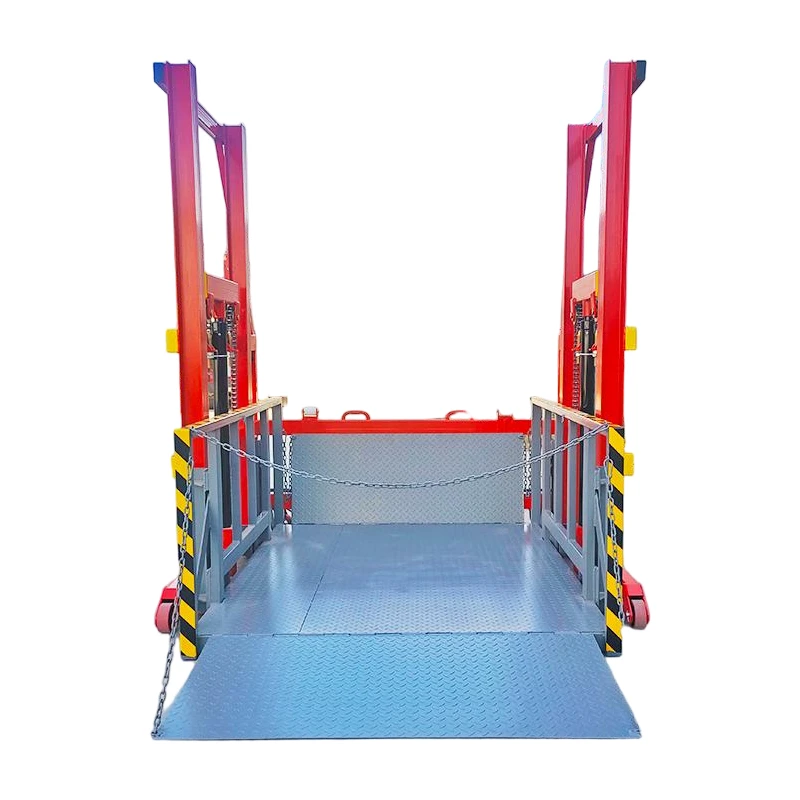
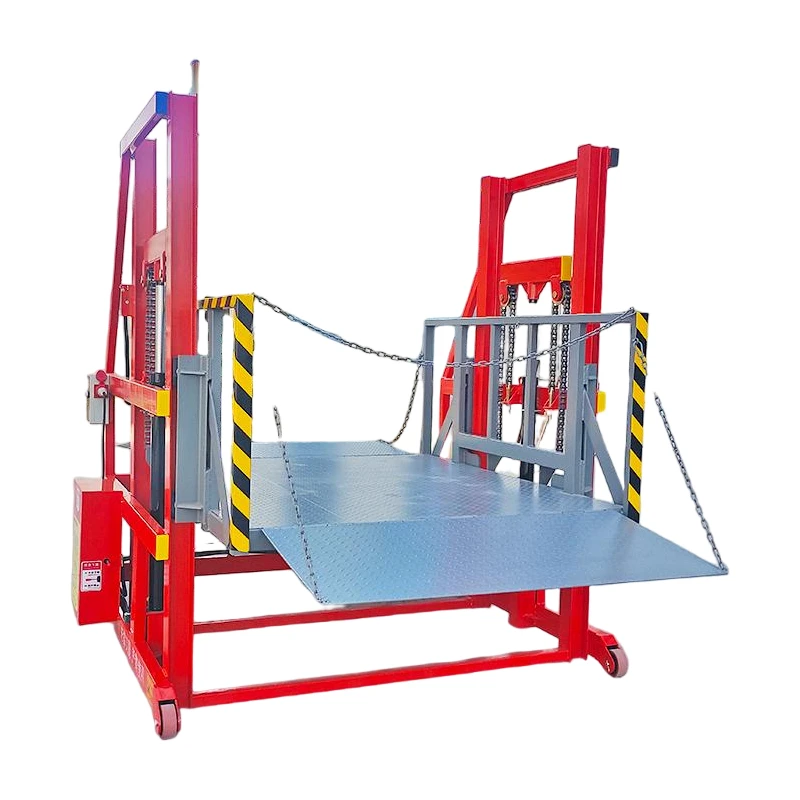
Column Hydraulic Lift
Heavy-duty warehouse cargo transport, pallet handling, factory freight movement
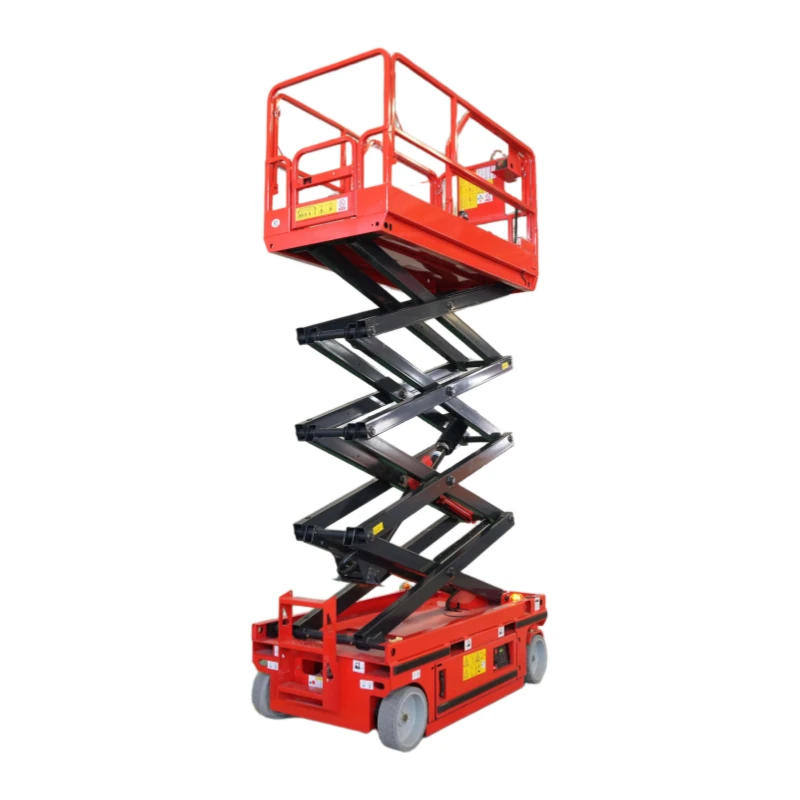
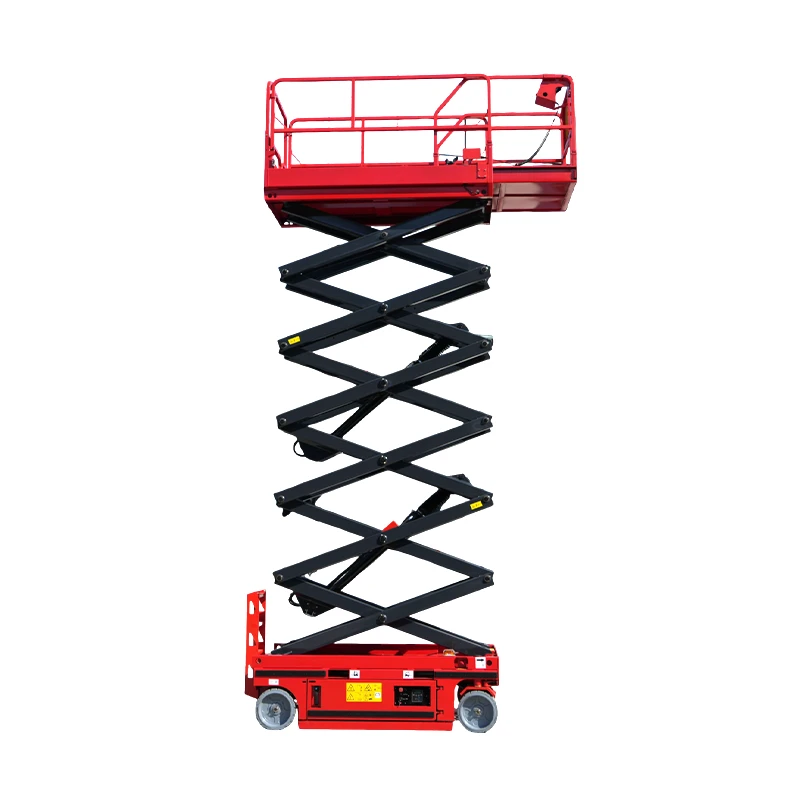
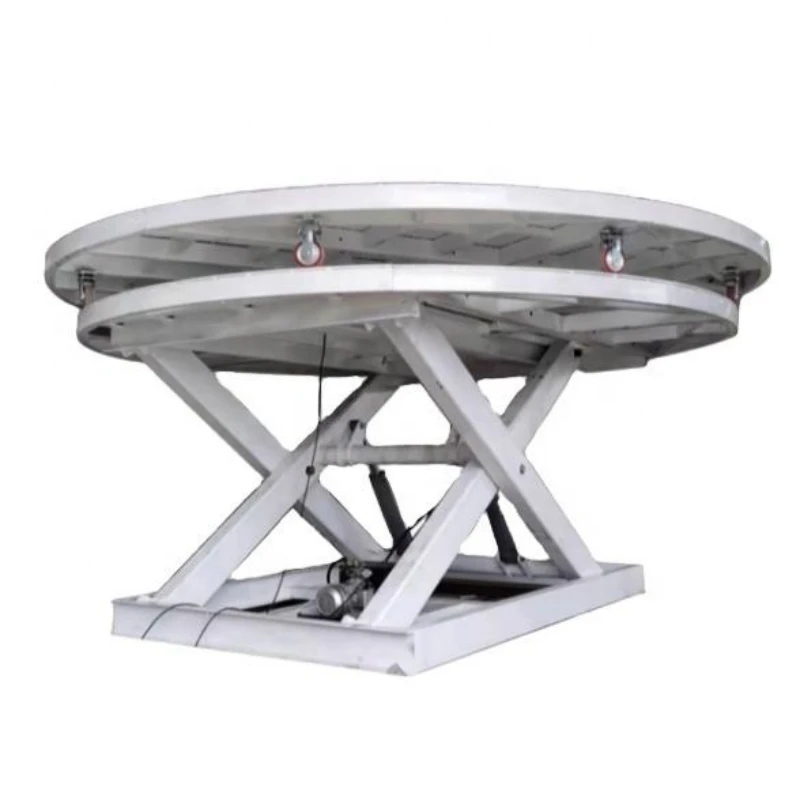
Scissor Lift Platform
Loading docks, production lines, equipment maintenance, vehicle lifting
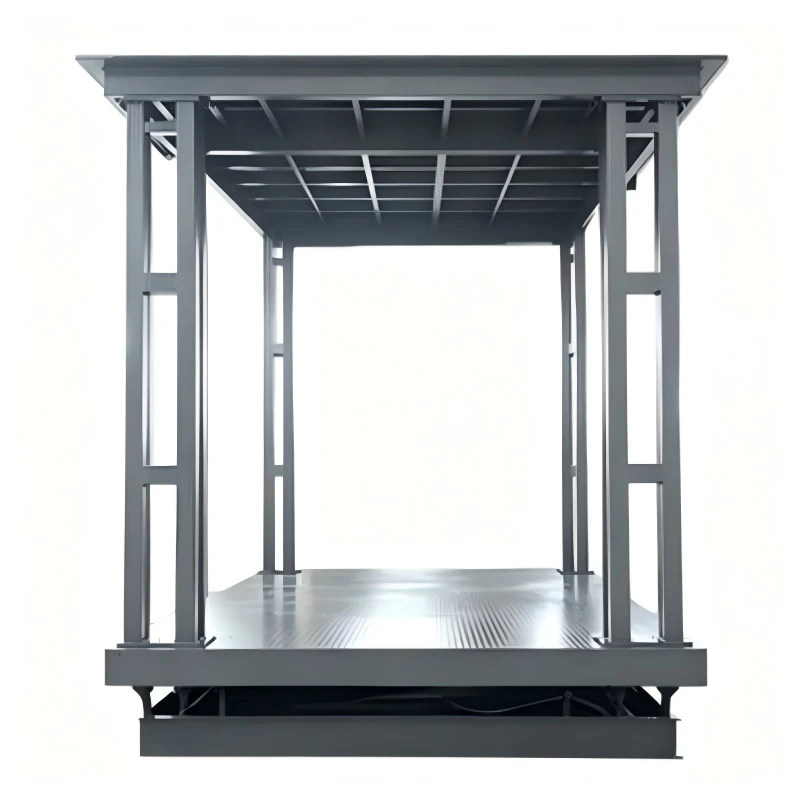
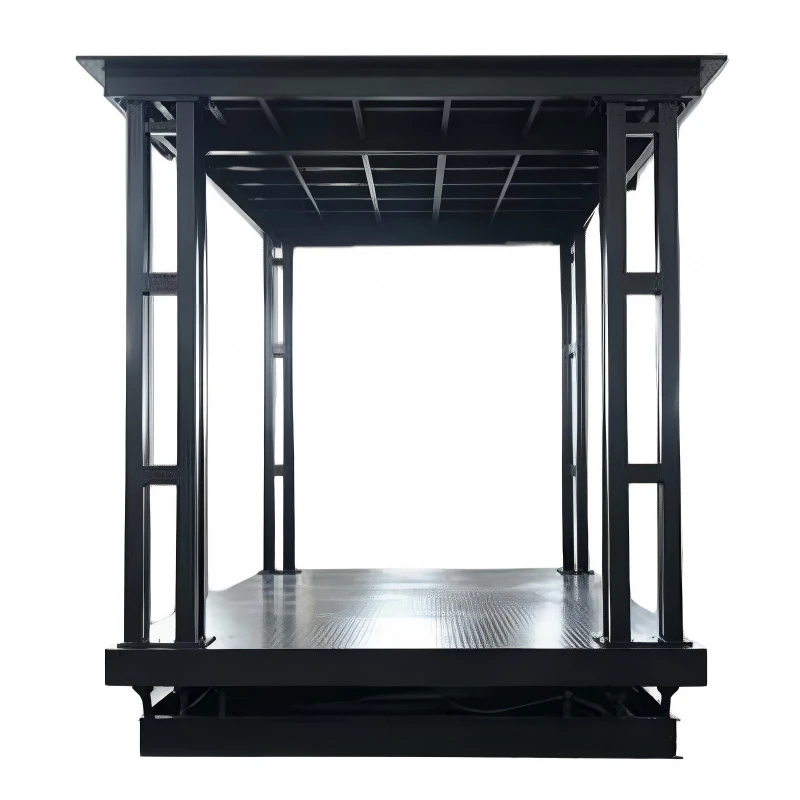
Column hydraulic lifts are commonly used for stable vertical cargo transport in warehouses, workshops, production areas, and industrial loading zones.
These systems are suitable for:
Pallet transport
Goods lifting between floors
Mezzanine access
Heavy-duty freight handling
Fixed industrial loading positions
The column-supported structure helps maintain lifting stability under heavy loads while reducing platform deviation during operation. Hydraulic drive systems also provide smooth starting and stopping performance, which is important for sensitive cargo and repetitive industrial lifting cycles.
Typical applications include factories, logistics buildings, storage facilities, and industrial freight lifting platforms.
Scissor lift platforms are widely used in industrial environments where flexible lifting heights and compact lifting structures are required.
These heavy-duty lifting platforms are commonly selected for:
Loading dock operations
Production line support
Equipment maintenance
Vehicle lifting
Material positioning
Industrial working platforms
The scissor structure distributes lifting force evenly across the platform, helping improve lifting stability under concentrated loads. Hydraulic scissor systems are also suitable for industrial freight lifting applications where low collapsed height and high lifting capacity are both required.
For industrial environments with limited installation space, sc
Guide rail hydraulic lifts are designed for heavy-duty cargo transportation in warehouses, factories, and multi-level industrial facilities.
These hydraulic cargo lift systems are particularly suitable for:
Multi-floor freight transport
High-load material lifting
Existing building retrofit projects
Narrow shaft conditions
Indoor and outdoor industrial lifting
Compared with conventional industrial freight elevators, guide rail hydraulic lifts offer greater installation flexibility for projects where building conditions are already fixed.
The guide rail system plays a critical role in maintaining platform stability during lifting. In industrial applications involving uneven cargo distribution or pallet loading, guide rail rigidity helps reduce sway, vibration, and platform offset during operation.
Guide rail hydraulic systems are often selected for projects requiring stable low-speed freight lifting under continuous industrial duty cycles.
Hydraulic lifting systems are widely used in industrial environments because they provide strong lifting force, stable operation under heavy loads, and flexible installation adaptability.
In industrial material handling applications, lifting stability is often more important than high travel speed. Hydraulic systems help maintain controlled lifting and lowering performance even under uneven loading conditions.
Common advantages of hydraulic industrial lift systems include:
Stable heavy-duty lifting performance
Smooth freight lifting operation
Reduced structural vibration
Flexible installation requirements
Easier adaptation for existing buildings
Simplified maintenance access
Reliable low-speed cargo transport
Hydraulic cushioning systems also help reduce impact force during stopping and leveling, which is important for protecting transported goods and reducing long-term structural stress.
For many warehouses and factories, hydraulic industrial lifts provide a practical balance between lifting capacity, installation flexibility, and operational reliability.
Industrial Applications
Warehouses and Logistics Centers
Industrial lifts are commonly used in warehouses for pallet transport, mezzanine access, cargo transfer, and loading efficiency improvement.
Guide rail hydraulic lifts are especially suitable for warehouse cargo transport because they support stable freight movement while adapting to limited shaft conditions and existing building layouts.
Manufacturing Facilities
Factories often require continuous vertical movement of materials, components, and production equipment between different levels.
Industrial lifting systems used in manufacturing environments must support:
Continuous-duty operation
Stable heavy-load transport
Reliable leveling accuracy
Simplified maintenance access
Hydraulic freight lifting systems are widely used in manufacturing facilities because they maintain stable lifting force during repetitive operational cycles.
Automotive Workshops
Scissor lift platforms are commonly used in automotive workshops for vehicle lifting, maintenance support, and production handling.
Heavy-duty hydraulic structures help maintain lifting stability while supporting concentrated vehicle loads during inspection and servicing operations.
Mezzanine Floor Transport
Many industrial facilities use mezzanine floors for storage expansion and workflow optimization.
Industrial lifts help improve material movement efficiency between floor levels while reducing manual cargo handling requirements.
Pit-less and shallow pit industrial lift systems are especially useful for existing industrial buildings where structural modification possibilities are limited.
Outdoor Industrial Projects
Outdoor industrial lifts are commonly used for external cargo transport, loading operations, and warehouse expansion projects.
Outdoor hydraulic cargo lift systems typically require:
Weather-resistant structures
Corrosion protection
Stable hydraulic performance
Reliable operation under temperature variation
EKCNE supports both indoor and outdoor industrial freight lifting applications depending on project requirements.
Load Frequency and Duty Cycle
Industrial lifts used for high-frequency cargo transport require stable hydraulic systems, reliable guide structures, and durable load-bearing components.
Continuous operation environments place higher stress on lifting systems than occasional freight transport applications.
Platform Stability
Platform stability becomes especially important during pallet loading, forklift transport, or uneven cargo distribution.
Guide rail rigidity, structural alignment, and hydraulic synchronization all affect lifting smoothness and operational safety.
Building Limitations
Many industrial lift projects are installed in existing facilities where shaft dimensions, pit depth, or overhead space are limited.
Pit-less and shallow pit industrial lift systems help reduce construction modification requirements while simplifying installation planning.
Maintenance Accessibility
Industrial environments prioritize operational continuity. Lift systems should allow convenient inspection access and simplified maintenance procedures to reduce downtime risk.
Hydraulic industrial lifts are often selected because their component layout can simplify maintenance access compared with more complex traction-based freight elevator systems.
Industrial Lift Safety and Operational Stability
Industrial lifting systems operate under heavy loads and continuous freight transport conditions, making operational safety critical for both personnel and cargo protection.
EKCNE industrial lifts can be configured with multiple safety systems depending on project requirements, including:
Overload protection systems
Emergency stop systems
Emergency lowering systems
Anti-fall safety protection
Hydraulic pressure monitoring
Stable leveling control
Safety interlock systems
Fault monitoring systems
In industrial environments, stable stopping performance and controlled lowering behavior are especially important because sudden movement can affect both transported goods and production workflow continuity.
Guide systems, hydraulic control logic, and structural stability all contribute to safer long-term industrial lift operation.
Customization Options for Industrial Projects
Industrial lifting projects rarely follow one standard configuration. Building structure, cargo dimensions, operational frequency, and installation conditions all influence system design.
EKCNE supports customized industrial lift configurations for different industrial applications, including:
Custom platform sizes
Customized lifting heights
Indoor and outdoor configurations
Pit-mounted and pit-less installation
Shallow pit adaptation
Heavy-duty cargo platforms
Non-standard shaft conditions
Multi-floor lifting systems
Industrial control system integration
Our engineering approach focuses on adapting lifting systems to actual project conditions rather than forcing projects into fixed equipment specifications.
Industrial Lift Manufacturing and System Integration
Industrial lifting systems require more than platform assembly alone. Long-term lifting stability depends heavily on structural manufacturing accuracy, hydraulic system coordination, and guide system alignment.
EKCNE industrial lifts are developed with attention to:
Structural rigidity
Hydraulic system stability
Guide rail alignment
Load-bearing consistency
Operational durability
Maintenance accessibility
Our manufacturing process supports industrial lifting systems intended for continuous operation under demanding material handling conditions.
Rather than focusing only on short-term lifting performance, EKCNE prioritizes long-term operational stability and industrial project compatibility.
Industrial lifts are widely used in warehouses, factories, logistics centers, automotive workshops, mezzanine storage facilities, and industrial production environments where vertical cargo transportation is required.
Scissor lifts are commonly used for flexible lifting applications and compact lifting structures, while guide rail hydraulic lifts are typically used for stable multi-floor cargo transport with higher lifting heights and heavier loads.
Yes. Many industrial lifting projects are installed in existing buildings with limited shaft space or structural constraints. Customized platform sizes, shallow pit systems, and pit-less configurations are commonly used for retrofit projects.
Yes. Hydraulic lifting systems are widely used for heavy-duty industrial applications because they provide stable lifting force, controlled low-speed operation, and strong load adaptability under continuous-duty conditions.
Yes. Outdoor industrial lift systems can be configured with weather-resistant structures and protective treatments suitable for external industrial environments.
Important considerations include load capacity, lifting height, installation conditions, operational frequency, cargo type, maintenance accessibility, and whether the project involves an existing building or new construction.
Note*: Our sales will contact you within 24 hours.
Note*: Our sales will contact you within 24 hours.