
Outdoor elevators create accessibility, improve vertical transportation efficiency, and help building owners overcome space limitations that may prevent a traditional interior elevator installation. However, outdoor elevator installation requirements are significantly different from those of indoor elevator systems.
An outdoor elevator operates in an environment exposed to rain, wind, temperature fluctuations, dust, sunlight, humidity, and other environmental conditions. As a result, successful installation requires careful consideration of structural support, weather protection, electrical system design, drainage planning, maintenance accessibility, and long-term operational reliability.
Whether the project involves an outdoor home elevator, a commercial exterior elevator, a hospital expansion, or a panoramic elevator at a tourist destination, understanding the requirements for outdoor elevator installation before construction begins can reduce project risks and improve lifecycle performance.
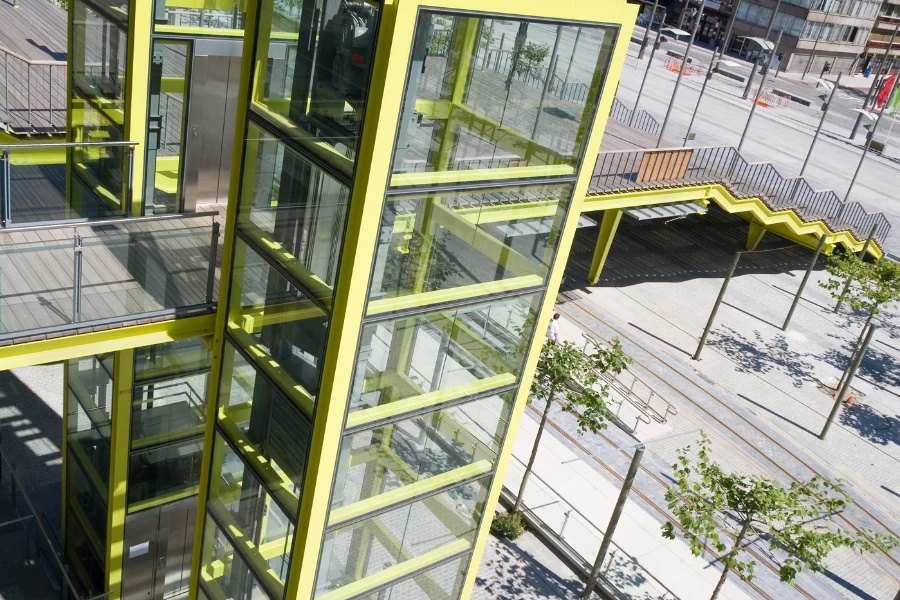
Outdoor Elevator Installation Starts With Site Evaluation
Every outdoor elevator project should begin with a detailed site assessment.
Many installation challenges originate from building conditions rather than the elevator equipment itself. The available installation area, building structure, access routes, utility locations, and environmental exposure all influence the feasibility of an outdoor lift installation.
For retrofit projects, engineers must determine how the outdoor elevator shaft will connect to the existing building. Existing doors, windows, balconies, and facade elements may affect the shaft location and landing configuration.
Key site evaluation factors include:
- Available shaft footprint
- Passenger access routes
- Utility locations
- Equipment delivery access
- Building attachment points
- Environmental exposure conditions
For an outdoor home elevator, site evaluation often determines whether a building-attached shaft or a freestanding shaft provides the most practical solution.
Structural Requirements for Outdoor Elevator Installation
Among all outdoor elevator installation requirements, structural planning is one of the most critical.
Unlike indoor elevators, outdoor systems must resist both operational loads and environmental loads throughout their service life.
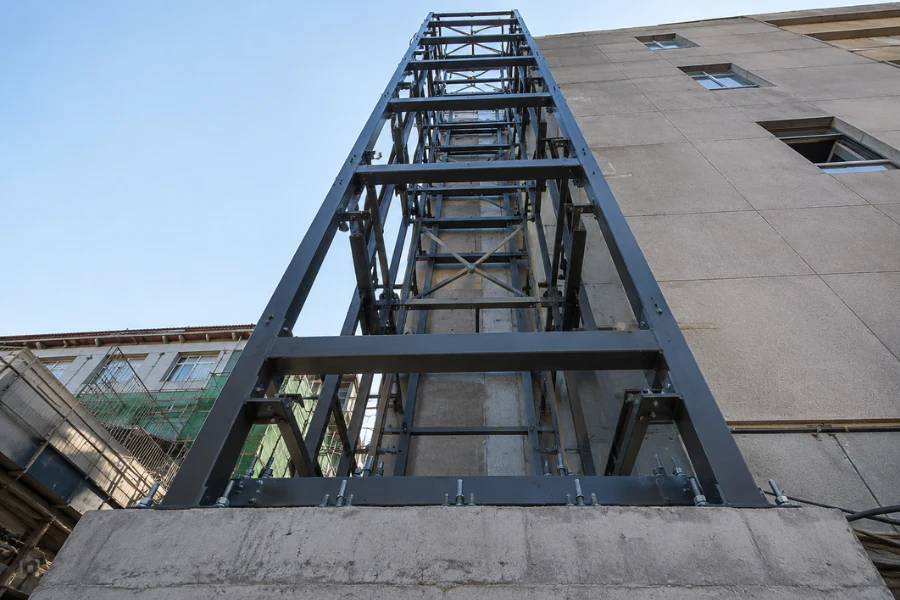
Foundation Requirements
A properly designed foundation provides the structural stability necessary for long-term elevator operation.
Foundation design should consider:
- Soil bearing capacity
- Groundwater conditions
- Frost depth
- Elevator capacity
- Shaft weight
- Dynamic operating forces
Insufficient foundations may result in settlement, rail misalignment, door operation problems, and increased maintenance costs.
Outdoor Elevator Shaft Requirements
The outdoor elevator shaft serves both structural and protective functions.
Common shaft options include:
- Steel structure shafts
- Aluminum alloy shafts
- Reinforced concrete shafts
- Glass elevator shafts
The selection depends on architectural requirements, environmental conditions, project budget, and maintenance considerations.
For commercial projects and observation elevator applications, glass elevator shaft systems are often selected to provide visibility while maintaining weather protection.
Building Connection Requirements
When an exterior elevator is attached to an existing structure, engineers must evaluate load transfer and anchoring requirements.
The shaft connection system must support elevator operation while minimizing vibration and protecting the integrity of the existing building.
Wind Load Considerations Are Often Overlooked
One of the most underestimated outdoor elevator installation requirements is wind exposure.
Unlike indoor elevators, outdoor elevator systems may experience significant wind forces acting on the shaft structure, guide rails, traveling cables, and landing doors.

Wind becomes increasingly important for:
- High-rise buildings
- Coastal projects
- Open landscapes
- Mountain locations
- Observation elevators
How Wind Affects Outdoor Elevators
Strong winds can influence elevator performance in several ways.
Traveling cables may sway excessively. Shaft structures may experience additional loads. Landing doors may encounter operational difficulties under extreme conditions.
These effects become more significant as travel height increases.
Wind Monitoring Systems
Many modern outdoor elevator systems incorporate wind sensors connected to the elevator control system.
When wind speeds exceed predefined thresholds, the system may automatically return the elevator to a designated floor and temporarily suspend operation until conditions improve.
In some exposed outdoor elevator installations, wind monitoring systems can trigger automatic elevator parking or temporary service suspension when wind speeds exceed safe operating limits. This approach helps protect passengers, reduce mechanical stress, and improve operational safety during severe weather conditions.
Operational Wind Limits
Project planners should understand that some exterior elevator systems may include operational restrictions during severe weather events.
Evaluating wind conditions before installation is significantly more effective than attempting modifications after commissioning.
Weather Protection Requirements
Weather protection directly influences equipment reliability and maintenance frequency.
Outdoor elevator installation requirements should always include a strategy for managing rain, snow, humidity, dust, and sunlight exposure.
Rain Protection
Rainwater management should address:
- Shaft enclosure protection
- Landing protection
- Water diversion systems
- Drainage routes
- Door sealing systems
Poor rain protection can result in corrosion, electrical faults, and increased service interruptions.
Snow and Ice Protection
Projects in cold climates must consider:
- Ice accumulation
- Frozen landing doors
- Reduced traction
- Blocked sensors
- Frozen drainage systems
Snow-related issues can affect both safety and availability.
UV Exposure and Sunlight
Continuous sunlight exposure may accelerate aging of certain materials and affect sensor performance.
UV-resistant materials are particularly important for:
- Plastic components
- Cable insulation
- Exterior finishes
- Light curtain systems
IP Protection Requirements for Outdoor Elevator Components
Electrical protection is a major difference between indoor and outdoor elevator systems.
Outdoor elevator installation requirements should include appropriate Ingress Protection ratings for exposed electrical components.
Typical examples include:
| Component | Recommended Protection Level |
|---|---|
| Door Operators | IP55 |
| Emergency Switches | IP65 |
| Junction Boxes | IP65 |
| Limit Switches | IP67 |
| Outdoor Connectors | IP67 |
Projects located near coastlines or industrial facilities may require higher protection levels due to salt exposure, humidity, and airborne contaminants.
Selecting components with inadequate IP ratings often leads to premature failures and increased maintenance costs.
Electrical Installation Requirements
The electrical system serves as the operational backbone of an outdoor lift system.
Environmental exposure makes electrical protection particularly important.
Control Cabinet Protection
Outdoor control systems should be protected against:
- Rainwater intrusion
- Condensation
- Dust contamination
- Temperature fluctuations
In humid climates, anti-condensation heaters may be necessary to maintain stable operating conditions.
Cable Routing Requirements
Cable routing should prevent water ingress and physical damage.
Special attention should be given to:
- Cable entry points
- Traveling cables
- Outdoor junction locations
- Flexible cable protection
Emergency and Backup Systems
Many outdoor elevator projects incorporate:
- Automatic Rescue Devices (ARD)
- Emergency communication systems
- Backup power solutions
- Remote monitoring systems
These systems help improve passenger safety during power interruptions and emergency situations.
Temperature Requirements for Outdoor Elevator Systems
Environmental temperature can affect both electrical and mechanical systems.
Projects in extremely hot or cold climates often require additional design measures.
High Temperature Conditions
High temperatures may contribute to:
- Controller overheating
- Reduced electronic lifespan
- Drive system stress
- Unexpected shutdowns
Ventilation and thermal management should be considered during project planning.
Low Temperature Conditions
Cold environments may affect:
- Brake operation
- Lubrication performance
- Electronic components
- Door systems
Additional heating measures may be required in regions with prolonged freezing temperatures.
Climate-Specific Design Strategies
The optimal outdoor elevator configuration often varies by climate.
A coastal outdoor home elevator may prioritize corrosion resistance, while a mountain observation elevator may focus on wind protection and low-temperature performance.
Drainage and Pit Requirements
Water management remains one of the most important outdoor elevator installation requirements.
Even a well-designed elevator can experience operational issues if drainage is inadequate.
Pit Drainage Design
Outdoor elevator pits should include measures to prevent standing water.
Common solutions include:
- Drain outlets
- Sump pumps
- Drain channels
- Automatic water removal systems
Surface Water Management
Site grading should direct water away from the shaft structure.
Improper grading often results in water accumulation around the elevator foundation.
Drainage Maintenance Access
Drainage systems require periodic inspection and cleaning.
Maintenance accessibility should be incorporated into the original design rather than added later.
How Much Space Is Required for an Outdoor Elevator?
One of the most common questions surrounding outdoor elevator installation requirements is how much space is needed.
The answer depends on several project-specific factors:
- Elevator capacity
- Number of stops
- Shaft type
- Door configuration
- Accessibility requirements
An outdoor home elevator may require a relatively compact footprint, while a commercial outdoor lift installation serving multiple floors may require a substantially larger shaft structure.
The chosen shaft design also influences space requirements. A glass elevator shaft may require different structural arrangements than a steel-framed shaft.
Before selecting equipment, project teams should evaluate both the elevator footprint and the surrounding maintenance access requirements.
Common Outdoor Elevator Applications
Outdoor elevators are used in a wide range of building types.
Residential Buildings
Outdoor home elevator systems are commonly installed when interior space limitations make indoor installation impractical.
Commercial Buildings
Exterior elevator systems can improve accessibility while preserving interior floor area.
Hotels and Resorts
Outdoor lifts often connect guest facilities, parking areas, and recreational zones.
Hospitals and Healthcare Facilities
Outdoor elevators can provide additional circulation routes during building expansions.
Scenic Attractions
Panoramic elevators and observation elevators are frequently installed in tourism projects where visibility enhances the visitor experience.
Outdoor elevator installation requirements vary significantly between residential, commercial, healthcare, and tourism projects. Passenger traffic, operating hours, accessibility requirements, maintenance resources, environmental exposure, and expected service life all influence system selection, shaft design, weather protection strategies, and maintenance planning. A configuration suitable for an outdoor home elevator may not be appropriate for a hospital, hotel, or observation elevator with substantially different operating demands.
Real Project Considerations
Every outdoor elevator project presents unique challenges.
Coastal Buildings
Salt exposure accelerates corrosion.
Projects near oceans often require enhanced corrosion protection, higher IP ratings, and more frequent maintenance planning.
Mountain Locations
Mountain projects frequently encounter high winds, temperature variations, and difficult installation logistics.
Wind load evaluation becomes particularly important in these environments.
Existing Building Retrofits
Retrofit projects often face structural limitations, limited access routes, and architectural constraints.
Careful planning is required to integrate the outdoor elevator shaft without compromising building functionality.
Choosing the Right Outdoor Elevator Configuration
Selecting the right configuration depends on building conditions, traffic requirements, and environmental exposure.
| Project Condition | Recommended Solution |
|---|---|
| Residential Building | Outdoor Home Elevator |
| Limited Space | MRL Outdoor Elevator |
| Scenic Attraction | Panoramic Elevator |
| Architectural Feature | Glass Elevator Shaft |
| Harsh Weather Environment | Steel Structure Shaft |
| Accessibility Upgrade | Exterior Lift or Outdoor Lift System |
The best solution is rarely determined by equipment specifications alone. Building compatibility and long-term maintenance requirements are equally important.
Why Early Configuration Planning Matters
Selecting an outdoor elevator is not simply a matter of choosing load capacity or travel height. Many long-term operational issues originate during the planning stage when building conditions, environmental factors, and maintenance requirements are not fully evaluated.
Several factors should be reviewed together before equipment selection:
- Shaft type affects installation complexity
- Climate affects protection requirements
- Traffic demand affects drive system selection
- Maintenance access affects lifecycle costs
- Building structure affects shaft configuration
- Future modernization affects long-term flexibility
For example, a glass elevator shaft may provide architectural value for a panoramic elevator project, while a steel structure shaft may offer better durability in harsh environmental conditions. Similarly, a low-traffic outdoor home elevator may require a different configuration than a commercial outdoor lift installation operating throughout the day.
This is why many developers, contractors, architects, and distributors evaluate shaft design, elevator configuration, environmental exposure, and maintenance requirements simultaneously during the planning stage. Early coordination often reduces installation risks, minimizes future modifications, and improves long-term operational reliability.
Outdoor Elevator Pre-Installation Checklist
Before installation begins, verify the following:
- Site conditions evaluated
- Foundation design completed
- Shaft configuration selected
- Wind exposure assessed
- Drainage strategy confirmed
- Power supply available
- Maintenance access planned
- Weather protection measures defined
- Local approvals obtained
- Emergency systems specified
Completing these steps early can reduce delays and avoid costly modifications later.
Common Outdoor Elevator Installation Mistakes
Several recurring mistakes appear in outdoor elevator projects.
Ignoring Wind Exposure
Wind-related issues often emerge after installation when exposure conditions were not properly assessed.
Underestimating Drainage Requirements
Poor drainage remains one of the most common causes of long-term reliability problems.
Selecting Inadequate IP Protection
Indoor-rated components may fail prematurely when exposed to outdoor conditions.
Neglecting Maintenance Access
Difficult maintenance access increases service time and lifecycle costs.
Conclusion
Outdoor elevator installation requirements extend far beyond providing a shaft and electrical connection. Successful projects depend on structural planning, weather protection, wind load assessment, drainage management, electrical reliability, and long-term maintenance accessibility.
Whether the project involves an outdoor home elevator, a commercial outdoor lift installation, an exterior elevator for a healthcare facility, or a panoramic elevator at a tourist destination, early planning remains the most effective way to improve operational reliability and reduce lifecycle costs.
As a project-oriented vertical transportation solution provider, EKCNE works with contractors, developers, distributors, architects, and engineering teams to evaluate building conditions, outdoor elevator shaft configurations, environmental challenges, and long-term operational requirements. Through customized elevator systems, shaft solutions, and project coordination support, EKCNE helps customers develop outdoor elevator solutions that align with both building requirements and future operational needs.












