
Effective weather protection for outdoor elevators begins with system design rather than maintenance procedures.
Many weather-related failures can be traced back to decisions made during outdoor elevator planning, including enclosure selection, shaft configuration, drainage design, component protection levels, and building integration requirements.
The most reliable outdoor elevator systems are designed around local climate conditions, building constraints, expected traffic demand, and long-term maintenance accessibility.
<< Get Outdoor Elevator Solution >>
Outdoor Elevator Shaft Design Considerations
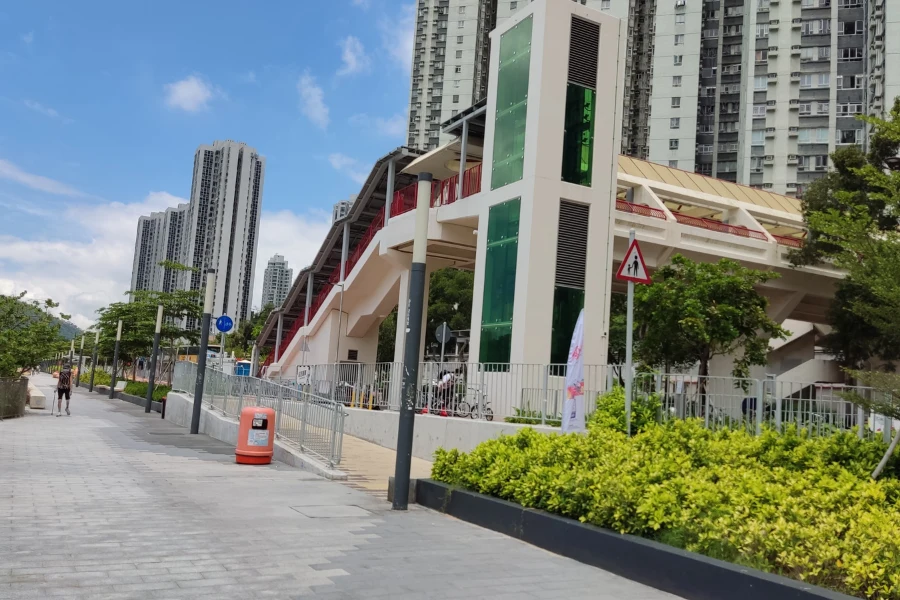
The outdoor elevator shaft serves as the first line of defense against environmental exposure.
For many projects, the design of the outdoor elevator shaft has a greater impact on long-term reliability than the elevator equipment itself. A poorly protected shaft can allow wind, water, dust, and temperature fluctuations to reach sensitive components, increasing maintenance requirements throughout the system lifecycle.
Project teams should evaluate:
- Wind exposure conditions
- Rainwater management requirements
- Structural loading considerations
- Maintenance access requirements
- Building façade integration
- Future modernization flexibility
Depending on project requirements, an outdoor elevator shaft may utilize steel structures, aluminum-framed systems, reinforced concrete construction, or glass-supported configurations.
For scenic elevators and outdoor panoramic elevators, glass shafts provide visual benefits but require additional consideration for solar heat gain, wind loading, and weather sealing.
For industrial projects and transportation infrastructure, steel outdoor elevator shaft solutions often provide greater structural robustness and maintenance accessibility.
Outdoor Elevator Enclosure Strategies
An outdoor elevator enclosure helps create a controlled operating environment around the elevator system.
While some exterior elevator installations are fully enclosed, others use semi-enclosed designs that balance weather protection, aesthetics, and project costs.
The appropriate outdoor elevator enclosure depends on:
- Climate conditions
- Building usage
- Architectural requirements
- Available installation space
- Maintenance accessibility
Common outdoor elevator enclosure approaches include:
- Full glass enclosures
- Steel-framed enclosures
- Hybrid glass and steel systems
- Architectural façade-integrated enclosures
For existing building retrofits, the outdoor elevator enclosure often becomes a critical element in maintaining building compatibility while minimizing structural modifications.
Drainage and Water Management Systems
Water management remains one of the most important aspects of elevator weatherproofing.
Outdoor elevator pits, shaft bases, and landing interfaces should be designed to prevent standing water from accumulating around critical equipment.
Effective drainage strategies may include:
- Pit drainage systems
- Surface water diversion
- Waterproof sealing details
- Condensation management measures
- Elevated equipment mounting locations
Projects located in regions with seasonal storms or heavy rainfall should evaluate drainage capacity during the planning stage rather than after installation.
Wind Monitoring and Operational Protection
High-wind environments require additional planning.
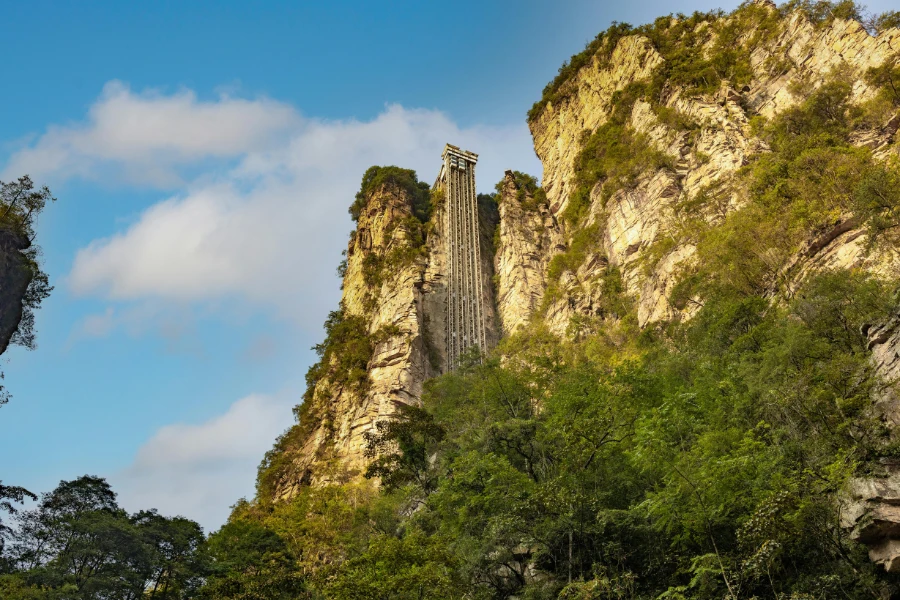
Observation towers, coastal developments, mountain attractions, and high-rise exterior elevator installations often experience conditions that exceed normal operating assumptions.
In these environments, weather protection for outdoor elevators may include:
- Wind monitoring devices
- Automated operational restrictions
- Structural reinforcement measures
- Enhanced guide rail support systems
- Additional cable stabilization methods
These measures help reduce wear on suspension systems and improve long-term operational reliability.
<< Get Outdoor Elevator Solution >>
Selecting the Right IP Protection Ratings for Outdoor Elevator Components
One of the most overlooked aspects of outdoor elevator weather protection is component protection rating selection.
Terms such as “weatherproof” or “water resistant” provide little engineering value without understanding actual IP protection classifications.
IP ratings indicate how effectively electrical equipment is protected against dust and water ingress.
For outdoor elevator systems, the following guidelines are commonly used:
| Component | Recommended Protection Level |
|---|---|
| Outdoor Control Boxes | IP55–IP65 |
| Door Operators | IP65 |
| Emergency Stop Devices | IP65 |
| Junction Boxes | IP65 |
| Outdoor Sensors | IP65–IP67 |
| Limit Switches | IP67 |
Understanding IP55
IP55 protection provides resistance against dust accumulation and water jets from multiple directions.
It is often suitable for protected equipment installed within a properly designed outdoor elevator enclosure.
Understanding IP65
IP65 provides a higher level of protection against dust and water intrusion.
Many outdoor elevator components exposed to changing weather conditions utilize IP65-rated equipment to improve long-term reliability.
Understanding IP67
IP67 protection allows temporary immersion resistance and is commonly selected for sensors and critical field devices installed in areas where water exposure may be more severe.
Selecting higher protection ratings may increase initial procurement costs. However, these costs are often offset through reduced maintenance requirements, fewer weather-related failures, and improved lifecycle performance.
For project owners evaluating suppliers, IP protection ratings should be considered alongside component quality, spare parts continuity, and long-term service support.
<< Get Outdoor Elevator Solution >>
Materials and Finishes That Improve Outdoor Elevator Durability
Material selection directly affects the lifecycle performance of outdoor elevators.
Projects exposed to coastal conditions, industrial pollution, or extreme humidity often require enhanced corrosion protection compared to standard building installations.
Common protective solutions include:
- Stainless steel finishes
- Galvanized steel structures
- Powder-coated surfaces
- Anti-corrosion treatment systems
- UV-resistant materials
- Weather-resistant cable protection systems
When evaluating outdoor elevator systems, buyers should consider total lifecycle costs rather than focusing solely on initial equipment pricing.
A lower-cost configuration may require more frequent maintenance interventions and earlier component replacement, ultimately increasing long-term ownership costs.
Building Compatibility and Project Planning Considerations
Successful weather protection for outdoor elevators requires more than selecting durable equipment.
Each project presents unique building integration challenges that influence system design and long-term performance.
Important planning considerations include:
- Existing building retrofits
- Shaft space limitations
- Building façade integration
- Traffic flow requirements
- Structural load capacity
- Maintenance accessibility
- Future modernization potential
For example, an outdoor home elevator attached to an existing residence may prioritize aesthetics and limited structural disruption.
A hospital expansion project may prioritize reliability and operational continuity.
A scenic elevator serving a tourism destination may prioritize visibility while requiring additional wind protection measures.
These project-specific factors often influence weather protection strategies as much as climate conditions themselves.
How EKCNE Supports Outdoor Elevator Projects
At EKCNE, outdoor elevator planning focuses on matching weather protection requirements with building conditions, operational needs, and long-term project objectives.
Rather than treating every project as a standard equipment supply, EKCNE supports customized outdoor elevator systems based on factors such as climate exposure, building compatibility, traffic demand, installation conditions, and maintenance strategy.
Our project teams assist customers with:
- Outdoor elevator planning
- Outdoor elevator shaft solutions
- Outdoor elevator enclosure selection
- Component protection level evaluation
- Material and finish recommendations
- Project deployment coordination
- Lifecycle compatibility planning
- Long-term spare parts continuity
By combining elevator engineering expertise with project-oriented customization capability, EKCNE helps contractors, developers, distributors, and project owners reduce operational risk while improving long-term system reliability.
Conclusion
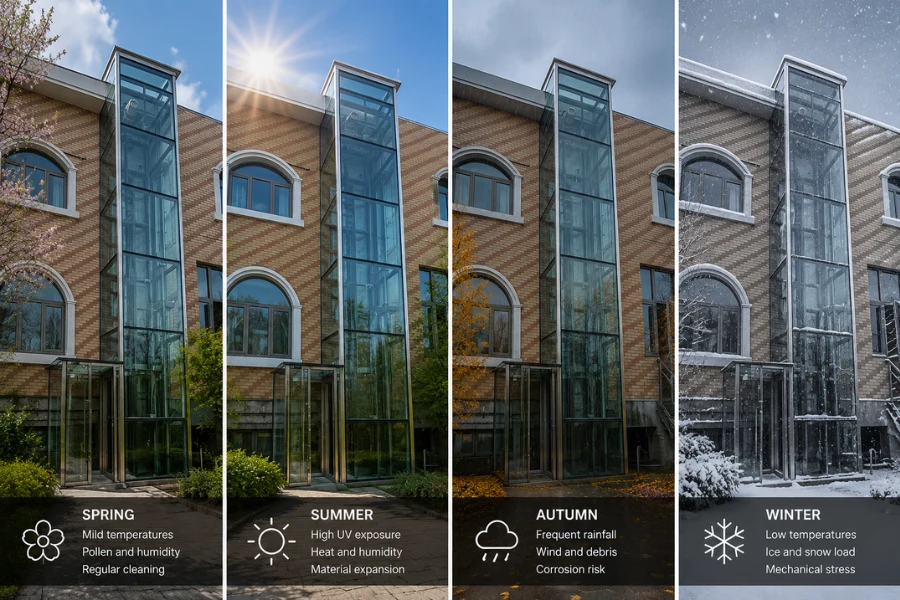
Weather protection for outdoor elevators is not a single product feature. It is a comprehensive engineering strategy that influences safety, reliability, maintenance costs, and lifecycle performance.
Successful outdoor elevator installations combine appropriate outdoor elevator shaft design, effective outdoor elevator enclosure solutions, suitable IP-rated components, corrosion-resistant materials, and building-compatible planning strategies.
Projects that evaluate weather exposure early in the planning process are better positioned to achieve long-term operational stability while reducing maintenance challenges and ownership costs.
As outdoor elevators continue to be used in residential, commercial, hospitality, healthcare, infrastructure, and tourism projects, weather protection will remain one of the most important factors affecting long-term project success.












